




 DISCORD
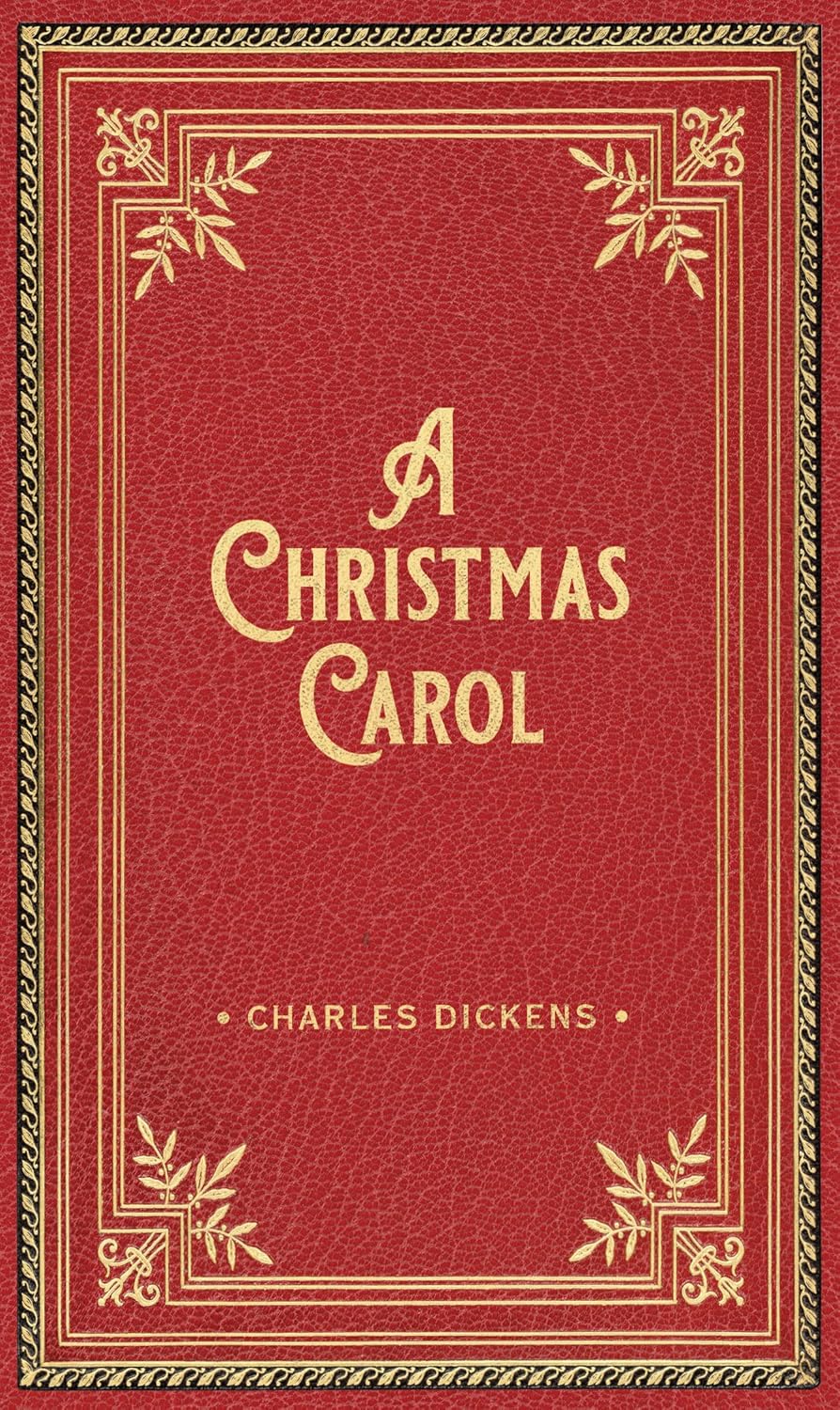
A Christmas Carol
Charles Dickens


 Apple Books


 15 Min Reading Time
 Audio Version Available
About this book
Tonight, Ebenezer Scrooge will be haunted. Not by chains and specters of the afterlife, but by his own life. On this Christmas Eve, the miserly Scrooge is visited by the Ghosts of Christmas Past, Present, and Yet to Come, each revealing a life misspent and a future of bleak loneliness. Witnessing the joy he has spurned, the kindness he has forgotten, and the ultimate consequence of his choices, Scrooge faces a reckoning that could thaw even the coldest heart. Will he choose redemption and discover the true meaning of Christmas before it's too late? A timeless tale of transformation, Charles Dickens's A Christmas Carol reminds us that it is never too late to embrace the spirit of generosity, compassion, and goodwill that makes the season bright.
Summary of Key Ideas
- •
The Power of Empathy and Compassion
The transformative power of empathy is central to the story. Scrooge's journey demonstrates how understanding and sharing the feelings of others can break down the walls of isolation and bitterness. His encounters with the Cratchit family, and his visions of their hardship and Tiny Tim's illness, are pivotal in awakening his dormant compassion. This empathy extends beyond individual relationships, urging readers to consider the plight of the less fortunate in society and to recognize their shared humanity. The ghost of Christmas present reinforces this message by showing scrooge how people are suffering and the joy he could bring.
- •
Critique of Social Injustice and Poverty
A Christmas Carol is a scathing critique of Victorian England's indifference to poverty. Dickens uses the characters of Bob Cratchit and his family, as well as the symbolic figures of Ignorance and Want, to highlight the harsh realities faced by the poor. Scrooge's initial dismissive attitude towards the less fortunate reflects the prevailing societal mindset, which often blamed the poor for their own circumstances. Through Scrooge's transformation, Dickens advocates for social responsibility and calls upon the wealthy to alleviate poverty and injustice. The story serves as a reminder of the moral imperative to care for the vulnerable and address systemic inequalities. Dickens uses the character Bob Cratchit to show the struggles of the poor.
- •
The Possibility of Redemption and Change
Redemption is a core theme of the novella. Scrooge's journey from a miserly, isolated individual to a generous, compassionate member of society exemplifies the possibility of personal transformation. The ghosts serve as catalysts, forcing Scrooge to confront his past mistakes, acknowledge the consequences of his actions in the present, and envision a bleak future if he remains unchanged. This process of self-reflection leads to genuine remorse and a desire to atone for his past behavior. Scrooge's redemption arc offers hope and suggests that even the most hardened hearts can be softened and that individuals can always choose a better path.
- •
The Significance of Remembering the Past
The importance of memory and acknowledging the past is highlighted through the Ghost of Christmas Past. By revisiting key moments in his life, Scrooge confronts the choices and events that shaped him into the man he is. These memories, both joyful and painful, provide context for his present behavior and reveal the origins of his miserly ways. Through revisiting his past, Scrooge gains understanding of the impact of his choices and is able to learn from these experiences to create a positive future. Without understanding the past, true change cannot occur.
- •
The Enduring Spirit of Christmas
The spirit of Christmas, with its emphasis on generosity, goodwill, and togetherness, is presented as a powerful force for positive change. Dickens contrasts Scrooge's initial isolation and cynicism with the warmth and joy of the Cratchit family's Christmas celebration, despite their poverty. The story underscores the importance of human connection and the simple pleasures of sharing and caring for others. Christmas is not merely a holiday but a reminder of the values that should guide human interactions throughout the year. It represents a time for forgiveness, reconciliation, and the reaffirmation of communal bonds. Dickens uses the Cratchit family to show the importance of family at Christmas time.
- •
The Urgency of Time and Mortality
Time and its relentless march forward serve as a constant reminder of mortality and the urgency to make amends. The Ghost of Christmas Yet to Come presents Scrooge with a vision of his own death and the bleak consequences of his unrepentant ways. This glimpse into the future motivates him to seize the opportunity to change his destiny and leave a positive legacy. The story emphasizes that time is precious and should not be wasted on greed, bitterness, or indifference. It urges readers to reflect on their own lives and consider the impact they want to have on the world before it is too late. Scrooge learns that he needs to act now or he will die a lonely man.
Chapter Recap

About The Author
Charles Dickens
Charles Dickens, was the most popular English novelist of the Victorian era, and one of the most popular of all time. He created some of literature's most iconic characters, with the theme of social reform running throughout his work. The continuing popularity of his novels and short stories is such that they have never gone out of print. ([Source][1].) [1]:http://en.wikipedia.org/wiki/Charles_Dickens
Main Quotes
"God bless us, every one!"
"Men's courses will foreshadow certain ends, to which, if persevered in, they must lead."
"I wear the chain I forged in life."
"Mankind was my business. The common welfare was my business; charity, mercy, forbearance, and benevolence, were, all, my business."
"There is nothing in the world so irresistibly contagious as laughter and good humor."
"Are there no prisons? Are there no workhouses?"
"I will honour Christmas in my heart, and try to keep it all the year."
"I am as light as a feather, I am as happy as an angel, I am as merry as a schoolboy. I am as giddy as a drunken man. A merry Christmas to everybody!"
"It is a fair, even-handed, noble adjustment of things, that while there is infection in disease and sorrow, there is nothing in the world so irresistibly contagious as laughter and good-humour."
"I will live in the Past, the Present, and the Future! The Spirits of all Three shall strive within me."
Who Should Read This Book
Readers of classic literature
People interested in Victorian England and social commentary
Those who enjoy stories with moral and ethical themes
Individuals seeking heartwarming and redemptive narratives, especially during the Christmas season
Students and educators studying Dickens' works
Families looking for a traditional Christmas story to share
Readers interested in ghost stories and supernatural tales
People who appreciate stories that promote generosity and compassion
Those reflecting on personal transformation and the meaning of life
Fans of adaptations of classic literature in various media (film, theater, etc.)
Book Summaries Like
A Christmas Carol
FAQ

Free Access to LitNotes