




 DISCORD
A Court of Thorns and Roses
Sarah J. Maas


 Amazon Best Sellers
 The New York Times Best Sellers


 120 Min Reading Time
 Audio Version Available
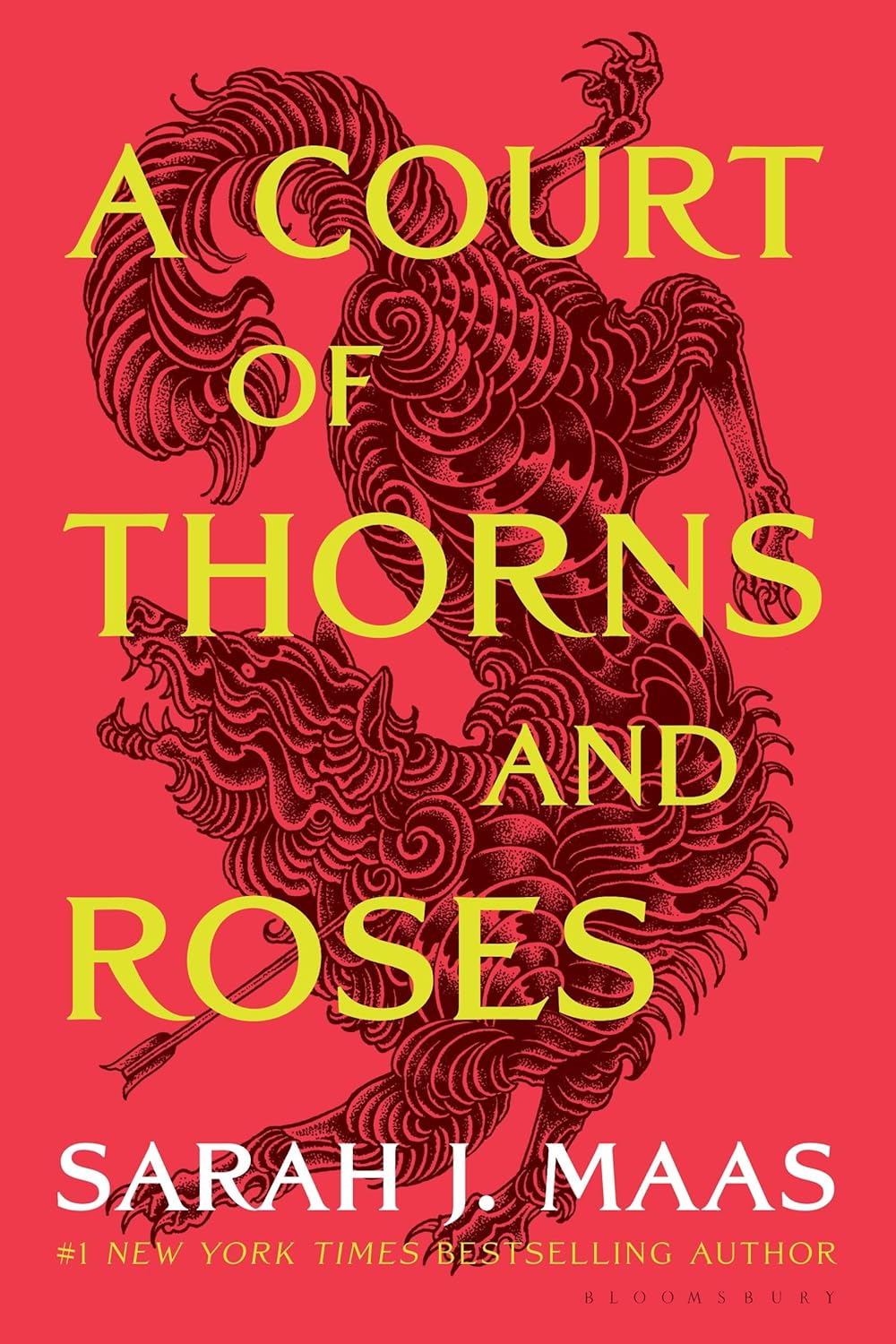
About this book
When nineteen-year-old huntress Feyre Archeron kills a wolf in the woods, a terrifying creature arrives to demand retribution. Dragged to a treacherous magical land she only knows about from legends, Feyre discovers that her captor is not truly a beast, but Tamlin—one of the lethal, immortal High Fae.
As she dwells on his estate, her feelings for Tamlin transform from icy hostility into a fiery passion that burns through every lie and warning she's been told about the beautiful, dangerous Fae world. But an ancient, wicked shadow grows over the faerie lands, and Feyre must find a way to stop it… or doom Tamlin—and his world—forever.
A Court of Thorns and Roses is a sweeping romantic fantasy that blendsBeauty and the Beast with faerie lore, creating an unforgettable tale of love, sacrifice, and the courage to defy darkness.
Summary of Key Ideas
- •
The Transformative Power of Love
The transformative power of love is a central theme. Feyre's journey underscores how love can evolve from obligation and Stockholm syndrome to genuine affection and sacrifice. Her initial feelings for Tamlin, though born of captivity, grow into a deep connection that compels her to risk everything. Later, her bond with Rhysand reveals a more profound and authentic love, showcasing how love can heal, empower, and redefine one's identity. This theme highlights the importance of embracing vulnerability and allowing oneself to be transformed by genuine emotional connections. Love is portrayed not just as a romantic ideal but as a catalyst for personal growth and bravery, capable of overcoming even the darkest of curses and deepest-seated fears.
- •
The Weight of Sacrifice
Sacrifice is woven throughout the narrative, demonstrating the characters' willingness to give up their own well-being for the sake of others and the greater good. Feyre's initial decision to venture into Prythian to save her family highlights this theme early on. Tamlin sacrifices his court and freedom to protect his people from Amarantha, albeit with flawed execution. The ultimate sacrifice comes from Rhysand, who bears the burden of Amarantha's curse and strategically manipulates events to ensure Feyre's survival and the eventual defeat of Amarantha. These acts of sacrifice underscore the profound bonds of loyalty, love, and duty that drive the characters' actions and shape the course of the story, emphasizing the value of selflessness in the face of overwhelming odds.
- •
The Burden of Duty
Duty and obligation play significant roles in shaping the characters' choices and actions. Feyre feels obligated to provide for her family, leading her to make difficult decisions like hunting and, eventually, venturing into Prythian. Tamlin is bound by his duty as High Lord to protect his court, even if it means making compromises that compromise his personal happiness. Rhysand carries the immense burden of his duty to protect Velaris and the Night Court, often making morally ambiguous choices to safeguard his people. The conflict between personal desires and societal expectations highlights the complexities of leadership and the sacrifices required to fulfill one's obligations, demonstrating how duty can both motivate and constrain the characters.
- •
The Ambiguity of Good and Evil
The blurring lines between good and evil are constantly explored, challenging simplistic notions of morality. The Fae are not presented as inherently good or evil; rather, they are complex beings capable of both great kindness and terrible cruelty. Amarantha, initially portrayed as a purely evil antagonist, is later revealed to be motivated by a twisted sense of justice and a desire to prevent a greater evil. Rhysand, despite his dark reputation and morally questionable actions, ultimately acts as a force for good, protecting the innocent and fighting against tyranny. This nuanced portrayal of morality highlights the importance of understanding the motivations and circumstances behind actions, rather than judging based on appearances or reputation.
- •
The Struggle for Freedom
The theme of freedom versus captivity is prevalent throughout the book, both in literal and metaphorical senses. Feyre is initially held captive in the Spring Court, both physically and emotionally. She then becomes captive to Amarantha's riddles. Characters grapple with internal captivity as well, such as Rhysand's bondage to Amarantha's curse and his strategic manipulation of appearances to hide his true intentions. Ultimately, the characters seek freedom from oppression, societal expectations, and personal limitations. The pursuit of freedom drives their actions and shapes their destinies, highlighting the importance of self-determination and the right to choose one's own path.
- •
The Journey of Self-Discovery
Personal growth and self-discovery are central to Feyre's journey. Initially portrayed as a hardened and cynical young woman burdened by responsibility, Feyre undergoes a significant transformation throughout the story. Her experiences in Prythian challenge her perceptions, force her to confront her fears, and ultimately lead her to discover her inner strength and resilience. She learns to embrace her power, both magical and personal, and to define her own identity, independent of societal expectations or the influence of others. This theme underscores the importance of embracing change, learning from one's experiences, and striving for self-improvement.
Chapter Recap

About The Author
Sarah J. Maas
American author known for her fantasy series.
Main Quotes
"“Don't feel bad for one moment about doing what brings you joy.”"
"“To the stars who listen—and the dreams that are answered.”"
"“You look angry,” he said. I pinned him with my gaze. “I am.”"
"“I was as unburdened as a leaf on the wind.”"
"“I threw myself into the gaping maw of terror, and found sweet, glorious peace.”"
"“The less you speak, the more likely people are to believe you.”"
"“I like watching you be brave.”"
"“I would have burned the world down for you.”"
"“We need hope, or else we cannot endure.”"
"“Be glad of your human heart, Feyre. Pity those who don’t feel anything at all.”"
Who Should Read This Book
Young adults interested in fantasy and romance
Readers who enjoy strong female leads and themes of female empowerment
Fans of fairy tale retellings, particularly Beauty and the Beast
Readers of New Adult fiction
Individuals seeking escapism and immersive world-building
Those who appreciate romantic fantasy with mature themes
Readers familiar with Sarah J. Maas's other works
Book Summaries Like
A Court of Thorns and Roses
FAQ

Free Access to LitNotes