




 DISCORD
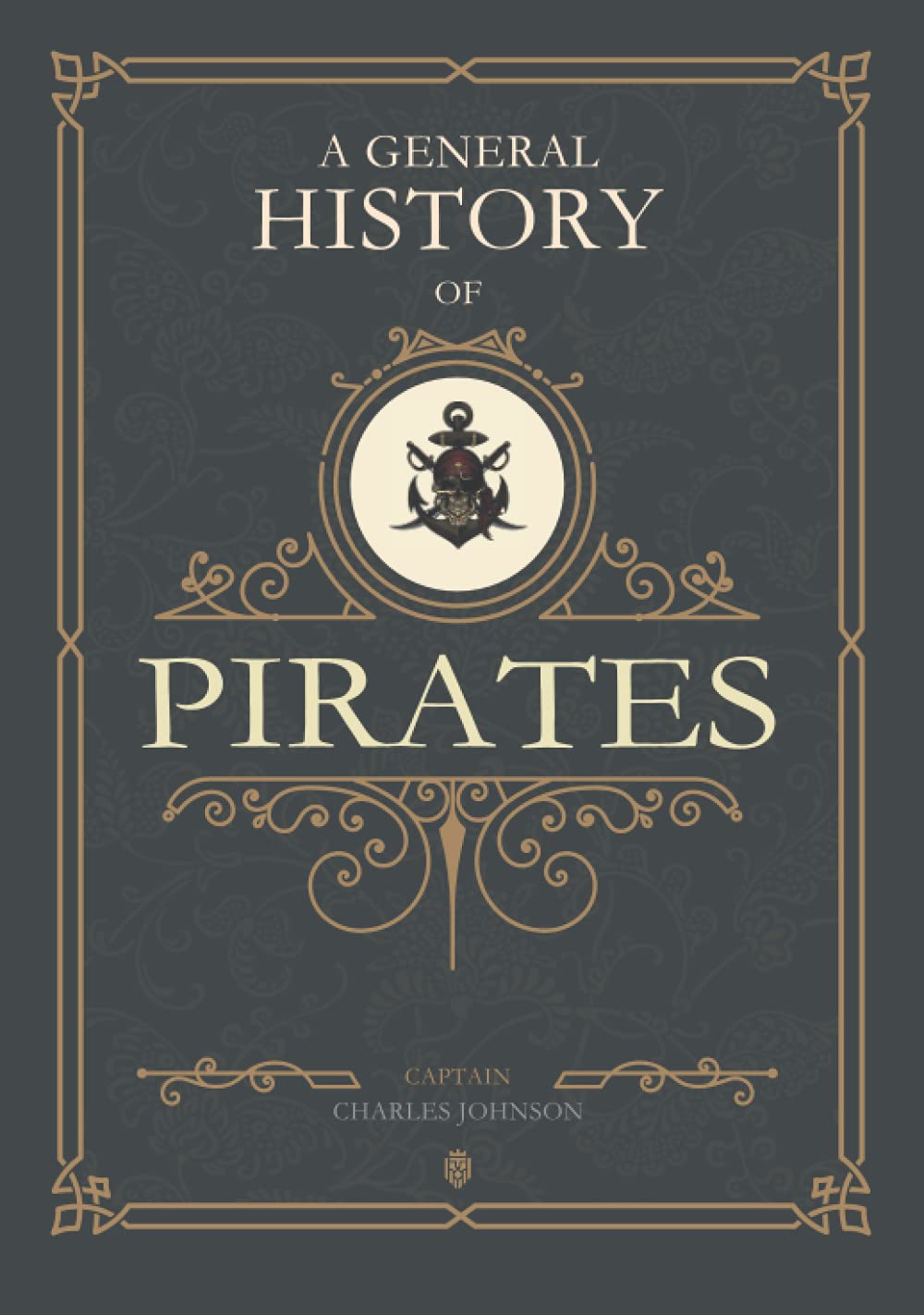
A General History of the Pirates
Captain Charles Johnson


 Apple Books


 77 Min Reading Time
 Audio Version Available
About this book
Step aboard and dive into the thrilling world of buccaneers and brigands with Captain Charles Johnson's "A General History of the Pirates." Published in 1724, this gripping chronicle unveils the notorious lives and daring exploits of the pirates who once terrorized the high seas during the Golden Age of Piracy.
More than just a historical account, Johnson's work blends fact with legend, offering a vivid and often sensational portrayal of piracy and its culture. From the infamous Blackbeard, who kept his crew in line with fear, to the scandalous love triangle of Anne Bonny, Mary Read, and "Calico" Jack Rackham, prepare to meet a cast of unforgettable characters.
"A General History of the Pirates" has shaped our modern perception of pirates, influencing countless works of literature and film. Robert Louis Stevenson and J.M. Barrie drew inspiration from Johnson's swashbuckling tales. Experience the book that launched a thousand legends and continues to captivate readers with its tales of adventure, rebellion, and the dark allure of the pirate life.
Summary of Key Ideas
- •
The Appeal of Freedom and Autonomy
The allure of pirate life, as portrayed by Johnson, stems from its promise of freedom and autonomy, a stark contrast to the rigid social hierarchies and oppressive conditions prevalent in 18th-century maritime society. Pirates, in their defiance of established norms and laws, offered an escape for those seeking to break free from societal constraints. This theme explores the psychological motivations behind choosing a life of piracy, highlighting the appeal of self-governance and the opportunity to forge one's destiny outside the bounds of conventional society.
- •
The Brutal Realities of Piracy
Johnson's work emphasizes the brutal realities of piracy, dispelling any romantic notions with vivid depictions of violence, plunder, and the constant threat of death. The book portrays the harsh living conditions aboard pirate ships, the ruthless nature of pirate captains, and the precariousness of their existence. This key idea underscores the contrast between the perceived glamour of piracy and the grim realities faced by those who engaged in it, offering a cautionary perspective on the consequences of choosing a life of crime.
- •
Pirate Codes and Egalitarianism
Despite their outlaw status, pirates often operated under a strict code of conduct, characterized by democratic principles and a sense of egalitarianism. Decisions were frequently made through voting, and loot was distributed relatively equally among the crew. This aspect of pirate society highlights a fascinating paradox: while engaging in acts of robbery and violence, pirates also adhered to a system of justice and fairness within their own ranks. Johnson's portrayal of these internal structures reveals the complexities of pirate culture and their attempts to create a more equitable social order, albeit outside the boundaries of conventional law.
- •
The Creation of Pirate Legends
Johnson's biographies elevate certain pirates to legendary status, transforming them into larger-than-life figures whose exploits captured the imagination of the public. Characters like Blackbeard, with his fearsome appearance and audacious acts, became symbols of rebellion and adventure. This theme explores the process of myth-making and how Johnson's narrative contributed to the romanticized image of pirates that persists in popular culture. By focusing on the extraordinary deeds and personalities of these individuals, the book helped to create enduring archetypes of the pirate as a daring and charismatic rogue.
- •
Piracy as a Product of Economic and Political Turmoil
A General History of the Pirates offers valuable insights into the economic and political context of piracy during the Golden Age. The book reveals how piracy was often intertwined with colonial rivalries, maritime trade, and the exploitation of resources in the New World. Pirates disrupted trade routes, challenged imperial powers, and played a significant role in shaping the balance of power in the Caribbean and beyond. Johnson's work highlights the broader historical forces that contributed to the rise and fall of piracy, demonstrating its impact on global commerce and geopolitics.
- •
The Blurring of Fact and Fiction
While presented as a historical account, "A General History of the Pirates" contains elements of sensationalism and exaggeration, blurring the line between fact and fiction. Johnson's narrative often embellishes events and attributes dramatic qualities to the pirates, enhancing their appeal to readers. This key idea examines the book's reliability as a historical source, acknowledging its literary and entertainment value while cautioning against accepting it as a completely accurate depiction of pirate life. The author's agenda and potential biases should be considered when interpreting the events and characters described in the book.
- •
Shaping the Pirate Archetype
Johnson's work inadvertently romanticized piracy, establishing many of the tropes that continue to define the popular image of pirates today. These include the iconic pirate appearance (eye patches, peg legs), the treasure burying, the pirate slang, and the adventurous lifestyle. The book's influence is undeniable, shaping how pirates have been portrayed in literature, film, and other media for centuries. This key idea reflects on the legacy of Johnson's history and its contribution to the enduring fascination with pirates in popular imagination. It highlights how a supposedly factual account helped to create a romanticized and often inaccurate portrayal of pirate culture.
Chapter Recap

About The Author
Captain Charles Johnson
Main Quotes
"In short, I believe that my own merit may recommend me to one of your vacancies."
"A short life and a merry one."
"No prey, no pay."
"Come, let us moisten our clay."
"I am a free Prince, and I have as much authority to make war on the whole world, as he who has a hundred sail of ships at sea."
"I am sorry they left me, for I should have made a good second!"
"A plague take this drinking!"
"I desire you would give me something to drink, for death is dry."
"I repent I had not done more mischief; and that we did not cut the throats of them that took us, and I am extremely sorry that you aren't hanged as well as we."
"That all the world were sea, that I might be a pirate."
Who Should Read This Book
Readers interested in pirate history
Maritime history enthusiasts
Scholars of 18th-century British literature and culture
Readers of adventure narratives
Historians of crime and punishment
Individuals interested in the Golden Age of Piracy
Those fascinated by biographies of infamous figures
Readers interested in the history of maritime commerce and colonialism
Enthusiasts of folklore and legends surrounding pirates
People seeking primary source material on piracy
Book Summaries Like
A General History of the Pirates


FAQ

Free Access to LitNotes