




 DISCORD
A GRIEF OBSERVED (Based on a Personal Journal)
C.S. Lewis


 Apple Books


 23 Min Reading Time
 Audio Version Available
About this book
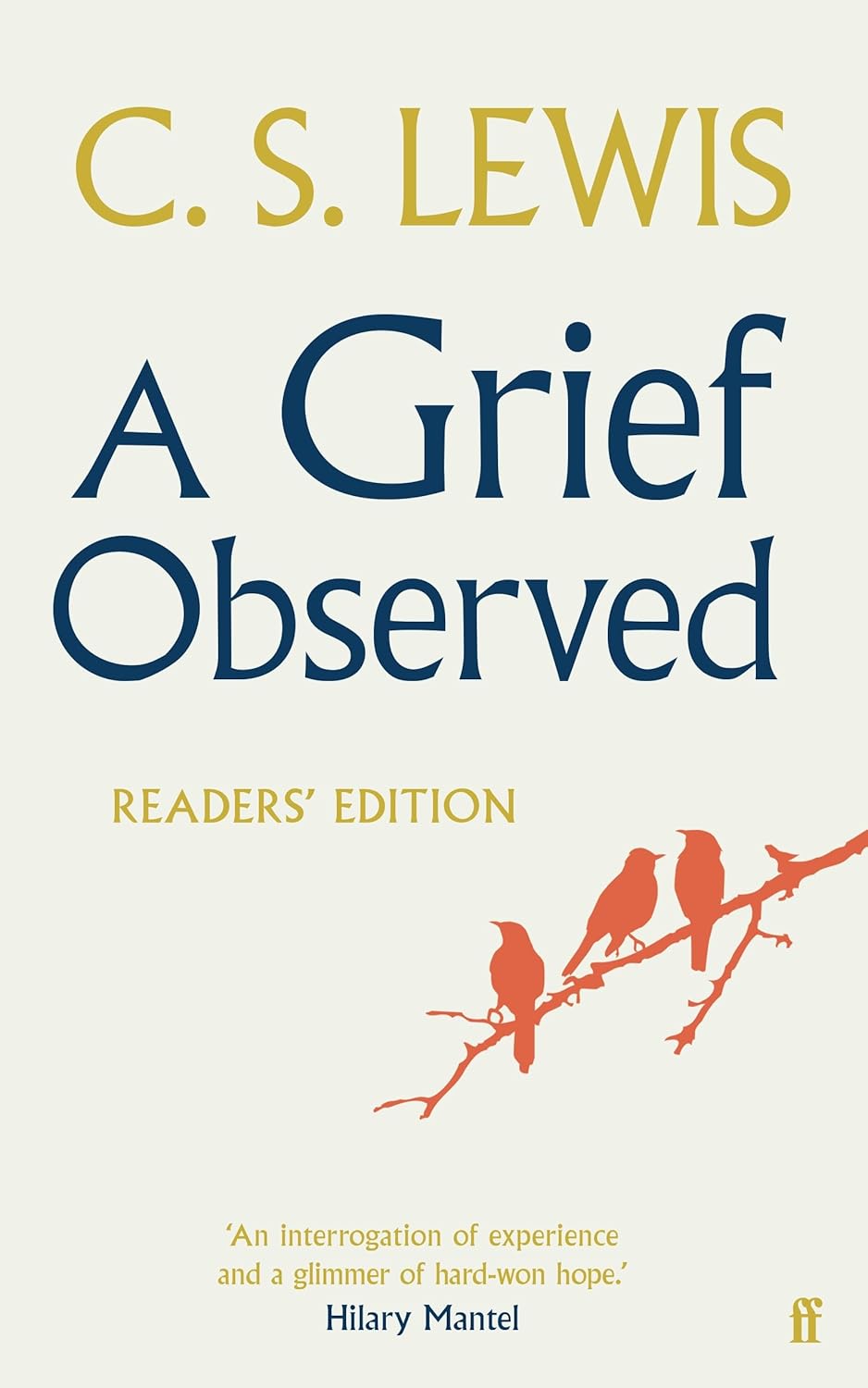
When Joy Davidman, his wife of only four years, died of cancer, C.S. Lewis, the celebrated author of The Chronicles of Narnia, confronted a darkness he had never imagined. A Grief Observed is his raw and unflinching journal of that agonizing journey—a searing exploration of love, loss, faith, and doubt in the face of unimaginable pain.
Stripped bare of easy answers, Lewis grapples with the shattering of his world, questioning the very foundations of his belief. With brutal honesty, he records his descent into despair, his moments of rage, and his desperate search for meaning in the abyss of grief.
More than just a personal account, A Grief Observed is a profound meditation on the universal experience of loss. It offers solace, wisdom, and a glimmer of hope to anyone who has wrestled with sorrow, reminding us that even in the darkest night, the human spirit can find its way back to life.
Summary of Key Ideas
- •
Unfiltered Grief
The Rawness of Grief: Lewis does not shy away from depicting grief in its most visceral and untamed form. He honestly expresses the pain, confusion, and even anger that accompany loss, rejecting any attempt to sanitize or diminish the experience. This unflinching portrayal allows readers to connect with the universality of grief, regardless of their personal beliefs or backgrounds. The journal format further enhances this sense of immediacy and authenticity, making the reader feel as though they are witnessing Lewis's grief unfold in real-time.
- •
Faith Under Fire
Questioning Faith: A central theme is Lewis's struggle to reconcile his faith with the reality of his suffering. He openly questions God's existence, goodness, and purpose in the face of Joy's death. This questioning is not presented as a rejection of faith, but rather as a desperate attempt to understand the divine in the midst of profound pain. He grapples with doubt, feeling abandoned and betrayed, which reflects the agonizing process many believers experience when confronted with loss. This exploration of faith in crisis makes the book relatable to anyone who has struggled with their beliefs during difficult times.
- •
Grief Embodied
The Physicality of Grief: Lewis emphasizes the physical sensations of grief, highlighting how it affects the body as well as the mind. He describes feeling physically ill, exhausted, and disoriented. This focus on the body acknowledges the holistic nature of grief, recognizing that it is not simply an emotional or mental state but a full-bodied experience. By portraying the physical toll of grief, Lewis validates the experiences of those who may feel overwhelmed by the physical symptoms of their loss.
- •
Finding Purpose in Pain
The Search for Meaning: Throughout the journal entries, Lewis is actively searching for meaning in his suffering. He attempts to understand why Joy had to die and what purpose her death serves. This quest for meaning is a natural response to loss, as individuals try to make sense of the seemingly senseless. Lewis's search is not always successful, and he often finds himself facing more questions than answers. However, the very act of searching provides a sense of purpose and direction in the midst of grief.
- •
Radical Honesty
The Importance of Honesty: Lewis's willingness to be brutally honest about his feelings, even the unpleasant ones, is a key aspect of the book. He does not attempt to present himself as a stoic or pious figure, but rather as a vulnerable human being struggling to cope with immense pain. This honesty allows readers to feel safe in acknowledging their own difficult emotions, knowing that they are not alone in their struggles. The journal format further encourages this honesty, as Lewis is writing primarily for himself rather than for an audience.
- •
Grief's Unfolding
The Evolving Nature of Grief: 'A Grief Observed' illustrates that grief is not a static state but a dynamic and evolving process. Lewis's thoughts and feelings change over time as he gradually adjusts to life without Joy. Some days are better than others, and he experiences moments of hope and even joy amidst the pain. This depiction of grief as a journey, rather than a fixed destination, provides comfort and reassurance to those who are grieving, reminding them that healing is possible, even if it is not always linear.
- •
The Dual Edge of Memory
Memory and Remembrance: The act of remembering Joy is both a source of comfort and pain for Lewis. He cherishes the memories they shared, but also feels the sharp sting of her absence. The book explores the complex relationship between memory and grief, highlighting how memories can both sustain and torment those who are grieving. Lewis grapples with the fear of forgetting Joy, while also recognizing the need to move forward and create new memories. This delicate balance between remembrance and moving on is a common theme in the grieving process.
- •
Theodicy's Thorn
The Problem of Theodicy: Lewis wrestles with the theological problem of theodicy – how to reconcile the existence of a benevolent God with the presence of suffering in the world. He questions why God would allow Joy to suffer and die, and whether God is truly all-powerful and all-good. This exploration of theodicy is not presented as a definitive answer, but rather as a genuine and heartfelt inquiry into the nature of God and the problem of evil. This intellectual and spiritual struggle resonates with many who have questioned their faith in the face of tragedy.
- •
Alone in Sorrow
The Loneliness of Grief: A recurring theme is the profound sense of loneliness that Lewis experiences after Joy's death. He feels isolated from others, even those who are trying to offer support. This loneliness stems from the unique and personal nature of grief, as no one can fully understand the depth of another person's loss. Lewis's portrayal of loneliness highlights the importance of finding connection and support during the grieving process, while also acknowledging the inherent isolation that often accompanies loss.
- •
Glimmers of Hope
Acceptance and Hope: While the book is characterized by pain and questioning, it also offers glimpses of acceptance and hope. As Lewis progresses through his grief, he begins to find moments of peace and even joy. He starts to accept the reality of Joy's death and to envision a future without her. This gradual movement towards acceptance and hope is not presented as a quick or easy fix, but rather as a slow and arduous process. However, it offers a message of resilience and the possibility of healing, even in the face of profound loss.
Chapter Recap

About The Author
C.S. Lewis
Main Quotes
"No one ever told me that grief felt so like fear."
"Grief is like a long valley, a winding valley where any bend may reveal a totally new landscape."
"The death of a beloved is an amputation."
"We were promised sufferings. They were part of the program. We were even told, 'Blessed are they that mourn,' and I accept it."
"It doesn't really matter whether you grip it so tight that your knuckles go white or let it all slither away. What we have once enjoyed we can never lose."
"The pain I feel now is the happiness I had before. That's the deal."
"I never expected to have, in my sixties, the happiness that I had."
"Tonight that ghastly feeling which I have learned to recognise so well has come over me. God is not there."
"Talk to me about the truth of religion and I'll listen gladly. Talk to me about the duty of religion and I'll listen submissively. But don't come talking to me about the consolations of religion or I shall suspect that you don't understand."
"Slowly, quietly, like snow-flakes – like dust blowing off a roof – I began to lose everything."
Who Should Read This Book
Individuals experiencing grief and loss, particularly the loss of a spouse
Readers interested in C.S. Lewis's personal reflections and spiritual journey
People questioning their faith in the face of suffering
Those seeking honest and raw accounts of grief
Readers of Christian literature and theology
Individuals interested in philosophy and the meaning of life
Those who appreciate introspective and reflective writing styles
People looking for solace and understanding in their own grief experiences
Bereaved individuals seeking connection and shared experiences
Readers interested in the problem of pain and the existence of God
Book Summaries Like
A GRIEF OBSERVED (Based on a Personal Journal)



FAQ

Free Access to LitNotes