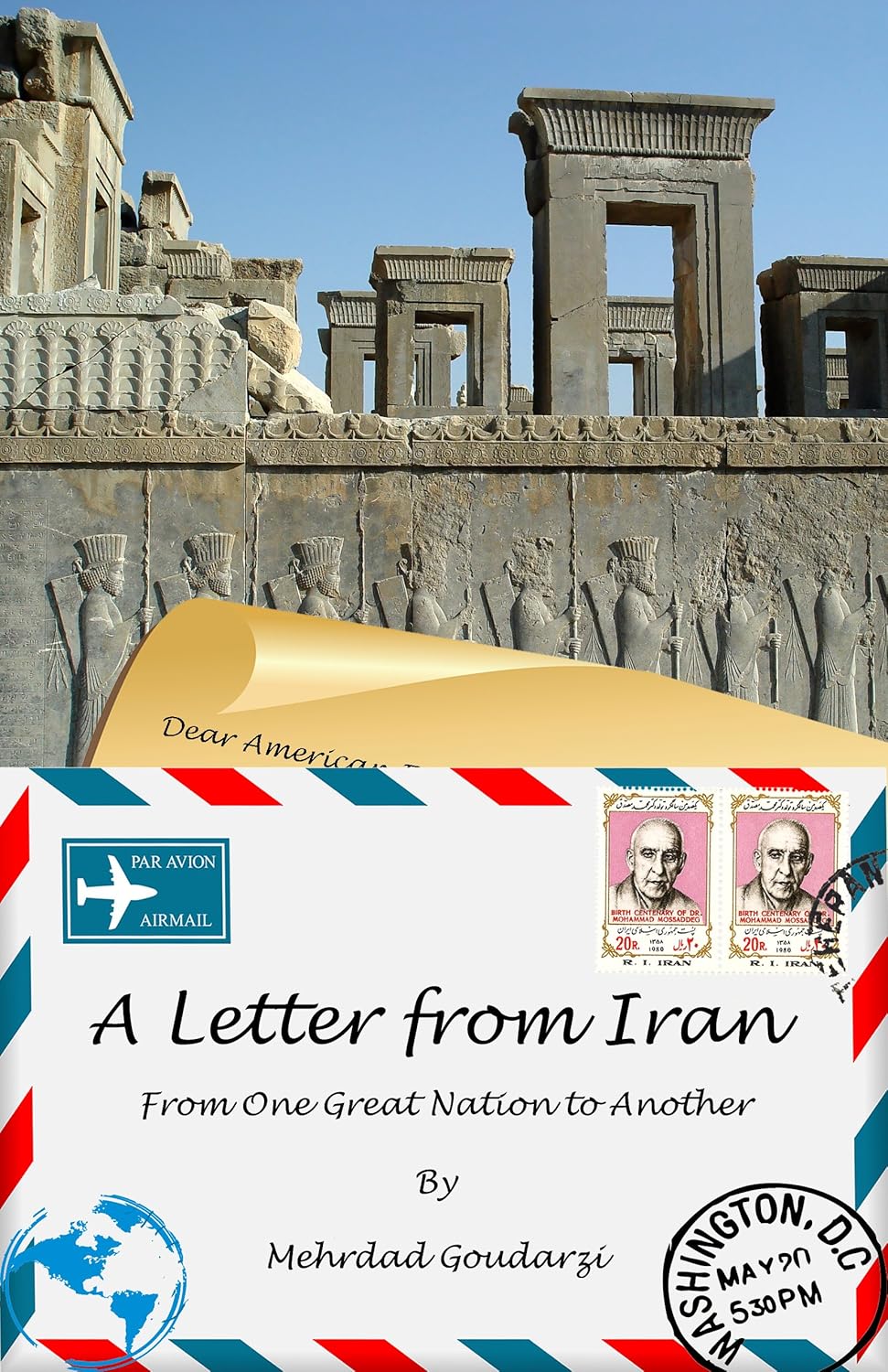
A Letter from Iran

Mehrdad Goudarzi

Full starFull starFull starHalf star
3.4(54 Ratings)
Left wheat earsApple BooksRight wheat ears
3 Months Free TrialArrow right
Clock36 Min Reading Time
MicrophoneAudio Version Available
cover backgroundA Letter from Iran

About this book

In a world fractured by political divides, "A Letter from Iran" offers a poignant reminder of our shared humanity. This timely work transcends headlines and explores the long-ignored roots of the complex relationship between Iran and America, revealing the universal dreams and hopes that bind us together, regardless of borders.

Summary of Key Ideas

  • Bridging the Divide: Understanding Iran-America Relations

    "A Letter from Iran" offers a fresh perspective on the relationship between Iran and America by exploring the historical context and cultural nuances that have shaped their interactions. It seeks to address commonly overlooked issues that contribute to the ongoing tensions and misunderstandings. By providing insights into Iranian society and its values, the book aims to foster a more informed understanding of the country beyond mainstream media portrayals. This understanding is crucial for anyone seeking to grasp the complexities of the current geopolitical landscape and the sources of conflict between Iran and the West.

  • Shared Humanity: Finding Common Ground Beyond Borders

    The book emphasizes the importance of recognizing shared human values that transcend national and cultural boundaries. Despite political differences and historical conflicts, the author highlights the common dreams, hopes, and aspirations that unite people across the globe. By focusing on these universal human elements, "A Letter from Iran" encourages readers to see beyond stereotypes and appreciate the common ground that exists between Iranians and Americans. This approach fosters empathy and promotes the idea that peaceful coexistence and mutual understanding are possible despite political tensions.

  • Challenging Media Narratives: A Call for Critical Thinking

    "A Letter from Iran" critiques the often-oversimplified narratives presented by mainstream media regarding Iran. It challenges readers to question the dominant perspectives and seek out diverse sources of information to gain a more balanced view. The book suggests that biased or incomplete reporting can perpetuate misunderstandings and exacerbate conflicts. By encouraging critical thinking and media literacy, it empowers readers to form their own informed opinions about Iran, free from the influence of propaganda or sensationalism.

  • Unveiling Historical Roots: Understanding Present Tensions

    The author delves into the historical events and political factors that have contributed to the complex relationship between Iran and the United States. By examining the past, the book seeks to provide context for present-day tensions and misunderstandings. This historical perspective helps readers understand how key events have shaped Iranian perceptions of America and vice versa. Understanding this historical background is crucial for navigating the complexities of the current relationship and identifying potential pathways toward reconciliation.

  • Exploring Iranian Culture: Beyond Stereotypes and Misconceptions

    "A Letter from Iran" provides insights into the cultural values, social norms, and daily life of Iranians, offering a window into a society that is often misrepresented in Western media. By showcasing the richness and diversity of Iranian culture, the book aims to break down stereotypes and foster a more nuanced understanding of the Iranian people. This cultural awareness is essential for building bridges of communication and promoting empathy between Iran and the West. It also highlights the importance of cultural exchange and dialogue in fostering mutual respect and understanding.

  • The Power of Dialogue: Fostering Understanding and Reconciliation

    The book serves as a reminder that effective communication and dialogue are essential for resolving conflicts and fostering understanding between nations. By presenting an Iranian perspective on critical issues, "A Letter from Iran" encourages open and honest conversations about the challenges facing both countries. This emphasis on dialogue highlights the importance of diplomacy and peaceful negotiation in resolving international disputes. It suggests that through communication, common ground can be found and pathways to cooperation can be established.

Chapter Recap

A Letter from Iran Dedication CHAPTER ONEDEAR AMERICAN FRIENDS CHAPTER TWOTHE GOOD OF AMERICA CHAPTER THREETHE IRAN I KNOW CHAPTER FOURTHE DARK PAST CHAPTER FIVETHE DREAM OF DEMOCRACY DENIEDMehrdad Goudarzi begins with a dedication to his children, nieces, and nephews, who now call America home, and to the Americans he admires, expressing hope that they will recognize the truth and secure a better future for humanity. Goudarzi introduces himself as an Iranian American who has spent the
Read MoreArrow right

About The Author

Mehrdad Goudarzi

Main Quotes

"A Letter from Iran goes beyond information to consider, reminding us that whatever country we call home, we share similar dreams and hopes for the future."

Who Should Read This Book

Readers interested in personal narratives and memoirs.

Individuals interested in Iranian culture and society.

Those seeking insights into life in Iran.

Readers of political and social commentary related to Iran.

People interested in understanding cultural differences between Iran and the West.

Individuals who enjoy stories about overcoming adversity.

Readers of literature exploring identity and diaspora.

Book Summaries Like

A Letter from Iran
cover backgroundOn Democracies and Death Cults

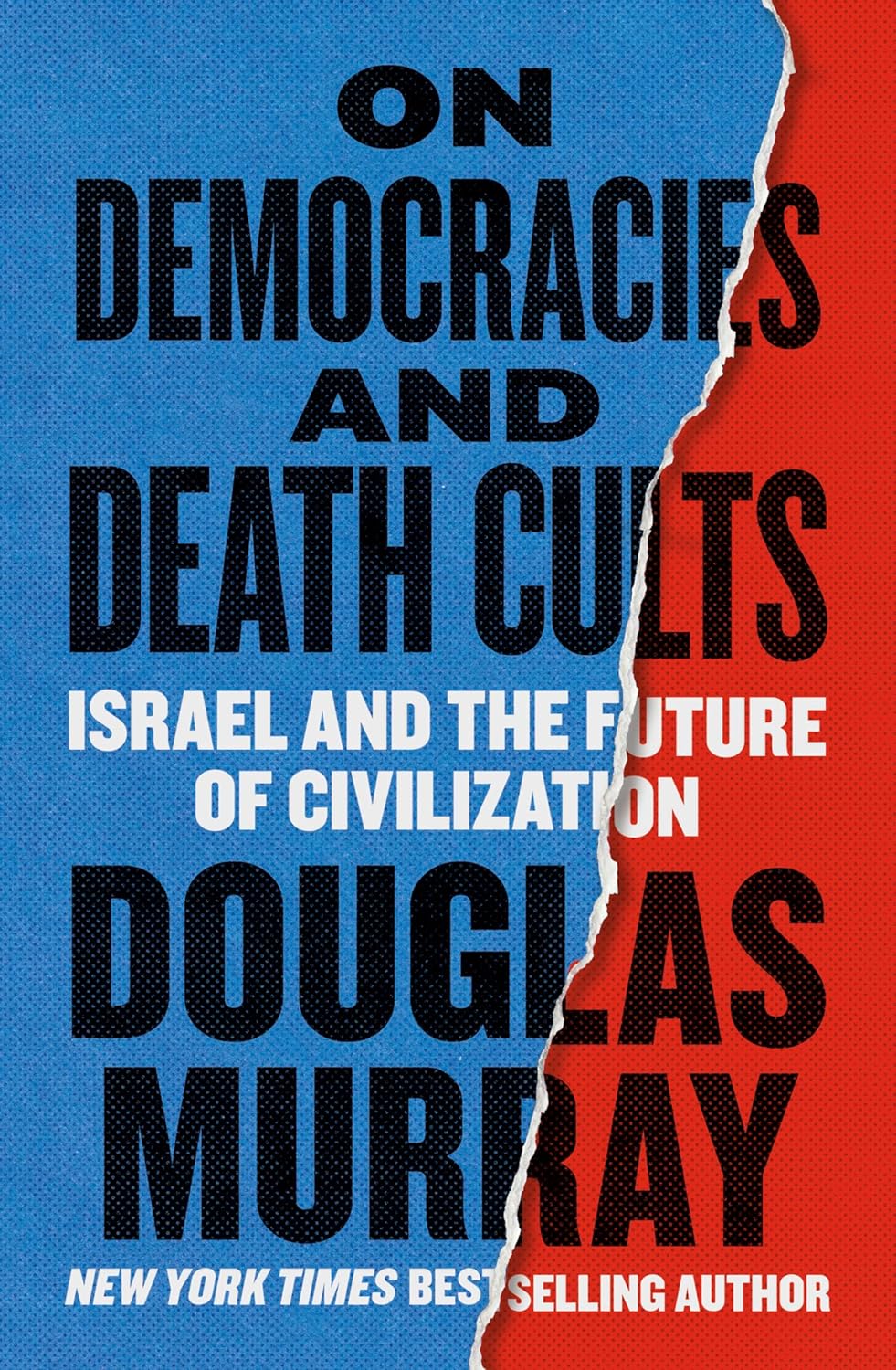
On Democracies and Death Cults

Douglas Murray

An Instant New York Times Bestseller

From #1 International Bestselling author Douglas Murray, a searing and essential exploration of the conflict between democracies and those who celebrate death, witnessed firsthand in Israel and Gaza.

Douglas Murray, though not Jewish and a recent resident to Israel, confronts the "biggest, deepest, longest lies in history" leveled against the nation. He champions Israel's dedication to Western values – capitalism, individual rights, democracy, and reason – as a stark contrast to the authoritarianism and extremism prevalent in the region. Murray argues that Israel stands as a beacon of progress against the death-embracing ideology of Hamas.

On Democracies and Death Cults dissects the misconceptions propagated by the campus left and international establishment, challenging the calls for Israeli restraint while Hamas commits genocide, the slanderous portrayal of Israelis as white colonialists, and the false narrative of oppressor versus oppressed.

Based on intensive on-the-ground reporting in Israel, Gaza, and Lebanon, Murray provides historical context to the latest violence, guiding readers through the harrowing aftermath of the October 7 massacre. Through exclusive accounts from victims, survivors, and even the terrorists themselves, he reveals the atrocities and warns that misplaced sympathy could empower forces threatening not only Israel but Western civilization itself.

cover backgroundApple in China

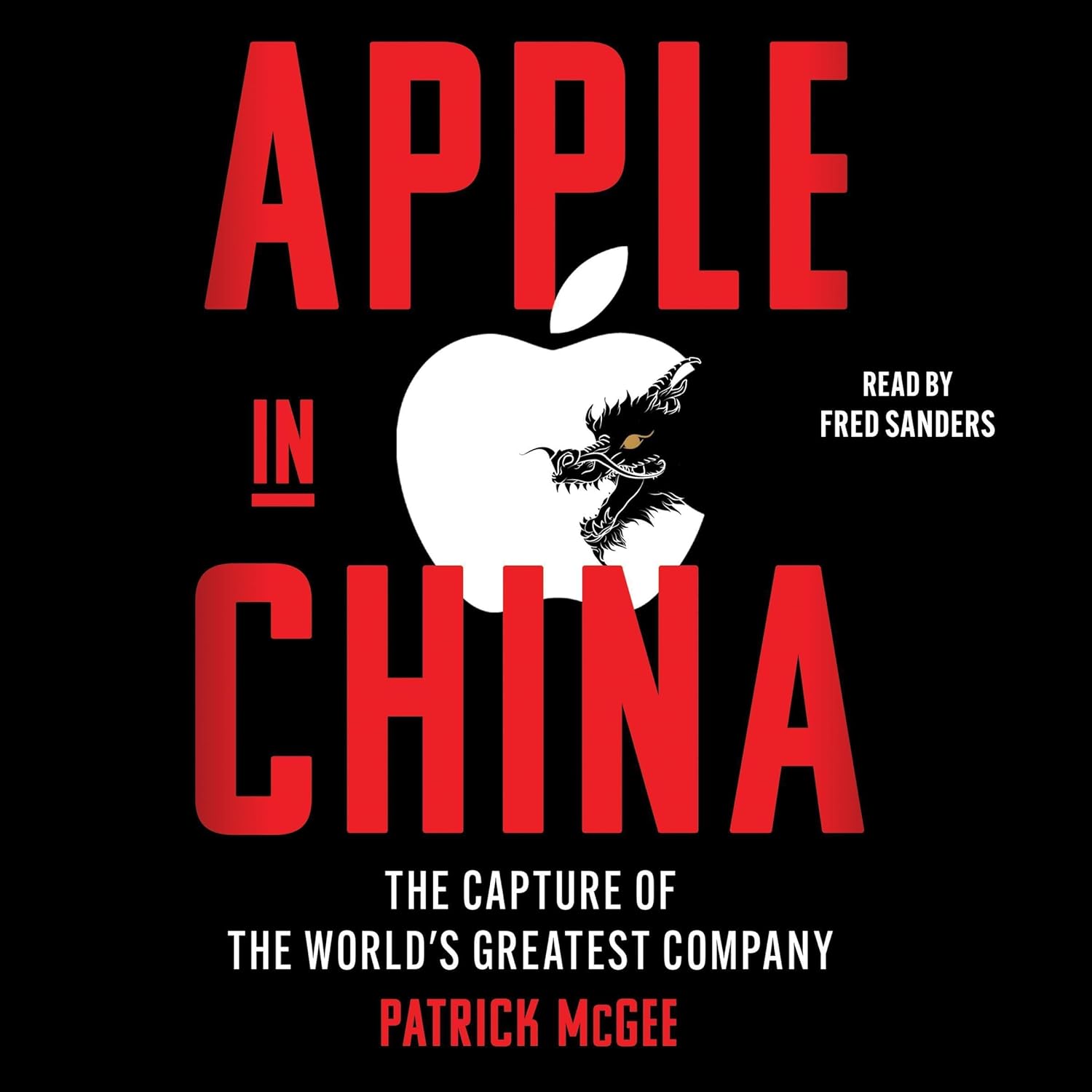
Apple in China

Patrick McGee

How did Apple, the company that urged us to "Think Different," become entangled with an authoritarian regime? Apple in China unveils the untold story of how Apple fueled China's rise as an electronics superpower, only to find itself caught in a high-stakes game of geopolitical maneuvering.

Drawing on over 200 interviews with Apple insiders, journalist Patrick McGee exposes the hidden deals, technological exchanges, and Faustian bargains that have shaped Apple's dependence on China. From the brink of bankruptcy to the iPhone's global dominance, discover how Apple's quest for cheap labor and manufacturing prowess inadvertently empowered Beijing, creating a complex and precarious relationship that now threatens the company's future.

Apple in China is a riveting cautionary tale for the 21st century, revealing the human cost and strategic implications of outsourcing, and the challenges faced by a company caught between profit and principles in the new Cold War.

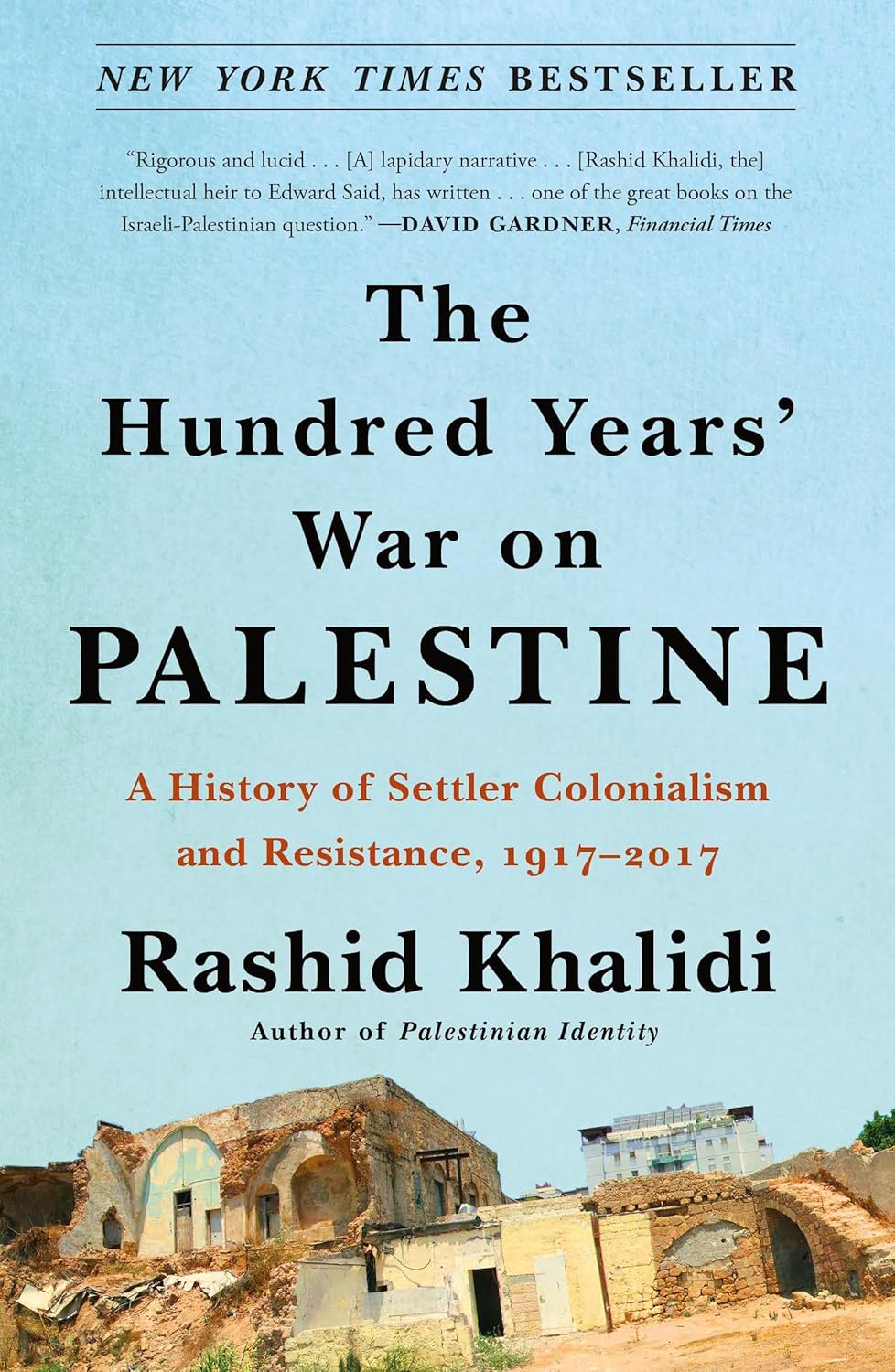
cover backgroundThe Hundred Years' War on Palestine

The Hundred Years' War on Palestine

Rashid Khalidi, Francisco Ramos

In 1899, the mayor of Jerusalem, Yusuf Diya al-Khalidi, foresaw the coming storm when he wrote to Theodore Herzl, warning of the displacement that would befall Palestine's indigenous people. His words echo through Rashid Khalidi's The Hundred Years' War on Palestine, a sweeping and essential history of the conflict told from an explicitly Palestinian perspective.

Drawing upon previously untapped archives and generations of family reports, Khalidi, a leading historian of the Middle East, dismantles accepted interpretations of the Israeli-Palestinian conflict. He reveals a century of colonial war waged against the Palestinians, supported by global powers, from the Balfour Declaration to the ongoing struggle for self-determination.

The Hundred Years' War on Palestine is a personal and powerful reclamation of history. Khalidi weaves together the voices of journalists, poets, and resistance leaders with his own experiences, offering a profoundly moving account of occupation, dispossession, and the enduring fight for a nation's right to exist.

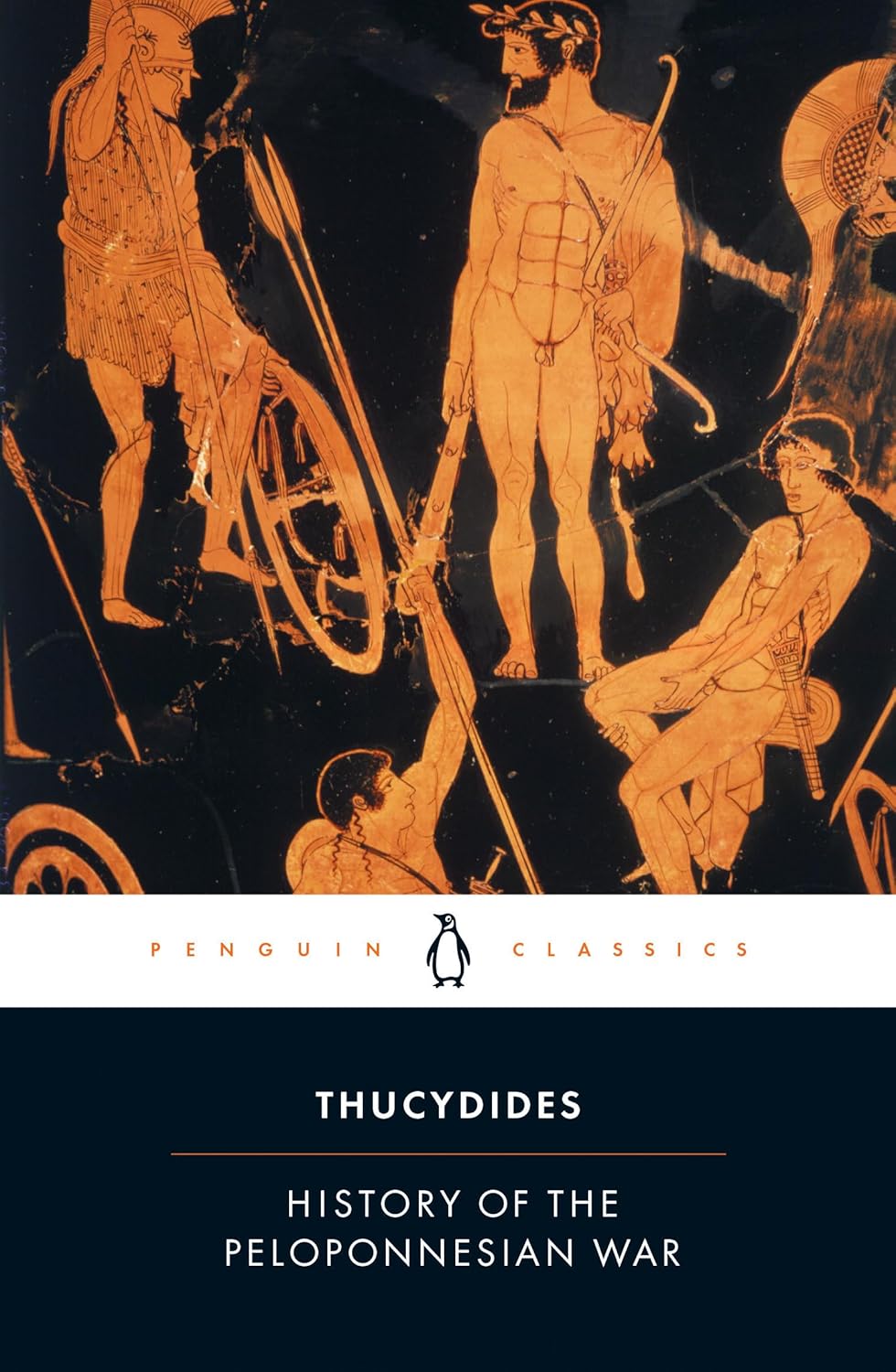
cover backgroundHistory of the Peloponnesian War

History of the Peloponnesian War

Thucydides

In 431 BC, the clash between Athens and Sparta ignited a war that consumed the Greek world for decades. Thucydides, an Athenian general and historian, chronicled this brutal conflict with unparalleled precision and unflinching objectivity. The History of the Peloponnesian War is a masterclass in historical analysis, dissecting the political machinations, military strategies, and societal upheavals that defined this era.

More than just a record of battles, Thucydides' work delves into the timeless themes of power, ambition, and human nature. Through vivid accounts and insightful speeches, he exposes the complexities of war and its devastating consequences. A must-read for history enthusiasts and anyone seeking to understand the enduring lessons of the past, this seminal work remains a powerful and relevant exploration of conflict and its impact on civilization.

FAQ