




 DISCORD
A Little Princess
Frances Hodgson Burnett


 Apple Books


 63 Min Reading Time
 Audio Version Available
About this book
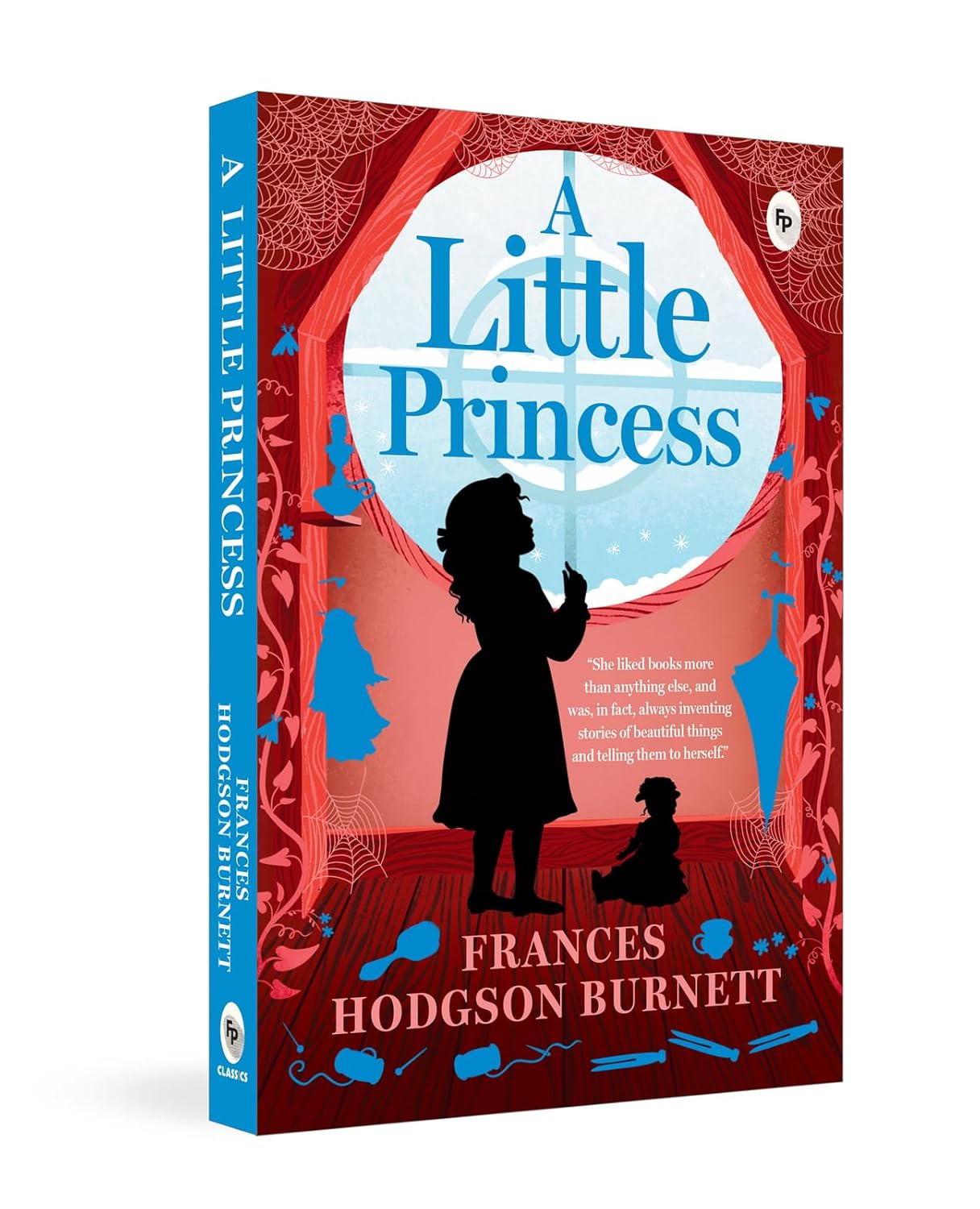
When young Sara Crewe arrives at Miss Minchin's London boarding school, she's a vision of privilege: wealthy, adored, and brimming with kindness and imagination. But her charmed life shatters when devastating news leaves her penniless and at the mercy of the cruel headmistress. Stripped of her comforts and forced into servitude, Sara retreats to the attic, where she faces hardship with unwavering spirit. Despite her circumstances, she clings to her inner dignity, imagining herself a princess and finding strength in friendship and the power of her own generous heart. Will Sara’s inherent nobility and unwavering belief in the magic within her be enough to transform her fortunes once more?
Summary of Key Ideas
- •
Imagination as Resilience
The Power of Imagination: Sara Crewe possesses an extraordinary imagination that allows her to transform her harsh reality into a world of fantasy and resilience. This imagination is not merely escapism but a tool for maintaining her dignity and kindness even in the face of adversity. By imagining herself as a princess, even when reduced to poverty and servitude, Sara retains her sense of self-worth and inspires those around her. Her imaginative play helps her cope with loneliness, hunger, and mistreatment, showcasing how a rich inner life can be a source of strength and solace during difficult times.
- •
Dignity Beyond Circumstance
Maintaining Dignity and Grace: Throughout her trials, Sara strives to behave like a princess, emphasizing the importance of inner character over external circumstances. This means treating everyone with respect and kindness, even those who are cruel to her. Her unwavering dignity becomes a source of strength and a way to assert her humanity, even when she is stripped of her wealth and status. Sara's commitment to grace under pressure serves as a powerful example of how to maintain self-respect and moral integrity, regardless of one's situation.
- •
Empathy's Transformative Power
The Significance of Empathy and Kindness: Sara's empathy extends to all those around her, from the mistreated scullery maid, Becky, to the neglected Indian servant. She consistently shares what little she has and offers comfort and support to others, demonstrating the transformative power of kindness. Her compassion not only alleviates the suffering of those she helps but also enriches her own life, providing her with a sense of purpose and connection. Sara's actions highlight the importance of empathy as a cornerstone of human decency and social responsibility.
- •
Inner Worth vs. Outer Appearance
True Worth Lies Within: The story underscores that a person's true value is not determined by their wealth or social standing but by their inner qualities. Sara's inherent goodness, her intelligence, and her compassionate nature make her a 'little princess' regardless of her material circumstances. The contrast between Sara's inherent nobility and the superficial values of Miss Minchin's school highlights the importance of character development and the recognition that true worth comes from within, not from external validation or possessions.
- •
Friendship as a Lifeline
The Importance of Friendship and Connection: Despite her isolation and hardship, Sara forms meaningful connections with others, particularly Becky and Lottie. These friendships provide her with emotional support and a sense of belonging, demonstrating the crucial role of human connection in overcoming adversity. Her ability to nurture and cherish these relationships, even in the face of her own struggles, emphasizes the importance of empathy, loyalty, and the mutual benefits of supportive friendships. These bonds become a source of resilience and joy amidst the challenges she faces.
- •
Triumph Through Resilience
Resilience in the Face of Adversity: Sara's journey is a testament to the human capacity for resilience. Despite losing her father and fortune, being mistreated by Miss Minchin, and enduring poverty and hunger, she never loses hope or succumbs to bitterness. Her unwavering spirit and determination to maintain her dignity inspire those around her and ultimately lead to her eventual restoration. Sara's story illustrates the power of inner strength and the ability to overcome even the most daunting obstacles through perseverance and a positive outlook.
- •
Critique of Social Hierarchies
The Injustice of Social Inequality: The narrative critiques the rigid social hierarchies and inequalities of Victorian society. Sara's fall from riches to rags exposes the stark contrast between the privileged and the impoverished, highlighting the vulnerability of those without wealth or social standing. The mistreatment of Becky and other servants further underscores the unfairness of the social system and the importance of empathy and compassion towards those less fortunate. The book implicitly advocates for social justice and the recognition of the inherent dignity of all individuals, regardless of their social class.
- •
Belief Shapes Reality
The Transformative Power of Belief: Sara's unwavering belief in herself and in the possibility of a better future plays a significant role in shaping her reality. Her positive mindset and refusal to be defined by her circumstances ultimately attract good fortune and contribute to her eventual restoration. This highlights the idea that our beliefs and expectations can influence our experiences and that maintaining hope and optimism, even in the darkest of times, can pave the way for positive change.
Chapter Recap

About The Author
Frances Hodgson Burnett
Main Quotes
"“If I am a princess in rags and tatters, I can pretend I am a princess inside. It would be easy to be a princess if I were dressed in cloth of gold, but it is a great deal more of a triumph to be one all the time when no one knows it.”"
"“Perhaps you can feel if you can't hear,” was her fancy. “Perhaps kind thoughts reach people somehow, even when they are quite little and ever so far away.”"
"“I am a princess. All girls are. Even if they live in tiny old attics. Even if they dress in rags, even if they aren't pretty, or smart, or young. They're still princesses.”"
"“If you look the right way, you can see that the whole world is a garden.”"
"“It is a great deal better to be ridiculous than to be rude.”"
"“And it was because she was thinking so much about standing straight, and being polite, that she forgot to remember that she was only a little girl, who had been taught to behave nicely.”"
"“Whatever comes," she said, "cannot alter one thing. If I am a princess in rags and tatters, I can be a princess inside. It would be easy to be a princess if I were dressed in cloth of gold, but it is a great deal more of a triumph to be one all the time when no one knows it.”"
"“She had not known that it was possible to cry so many tears.”"
"“You see, really and truly, apart from anything else, I’m an ordinary little girl.”"
"“Perhaps imagination is only intelligence having fun.”"
Who Should Read This Book
Children aged 8-12
Young girls interested in stories about friendship, resilience, and imagination
Readers who enjoy classic children's literature
Parents and educators looking for books with strong moral themes
Individuals interested in stories set in Victorian England
Readers who appreciate themes of social justice and kindness
People who enjoy stories about overcoming adversity
Book Summaries Like
A Little Princess




FAQ

Free Access to LitNotes