




 DISCORD
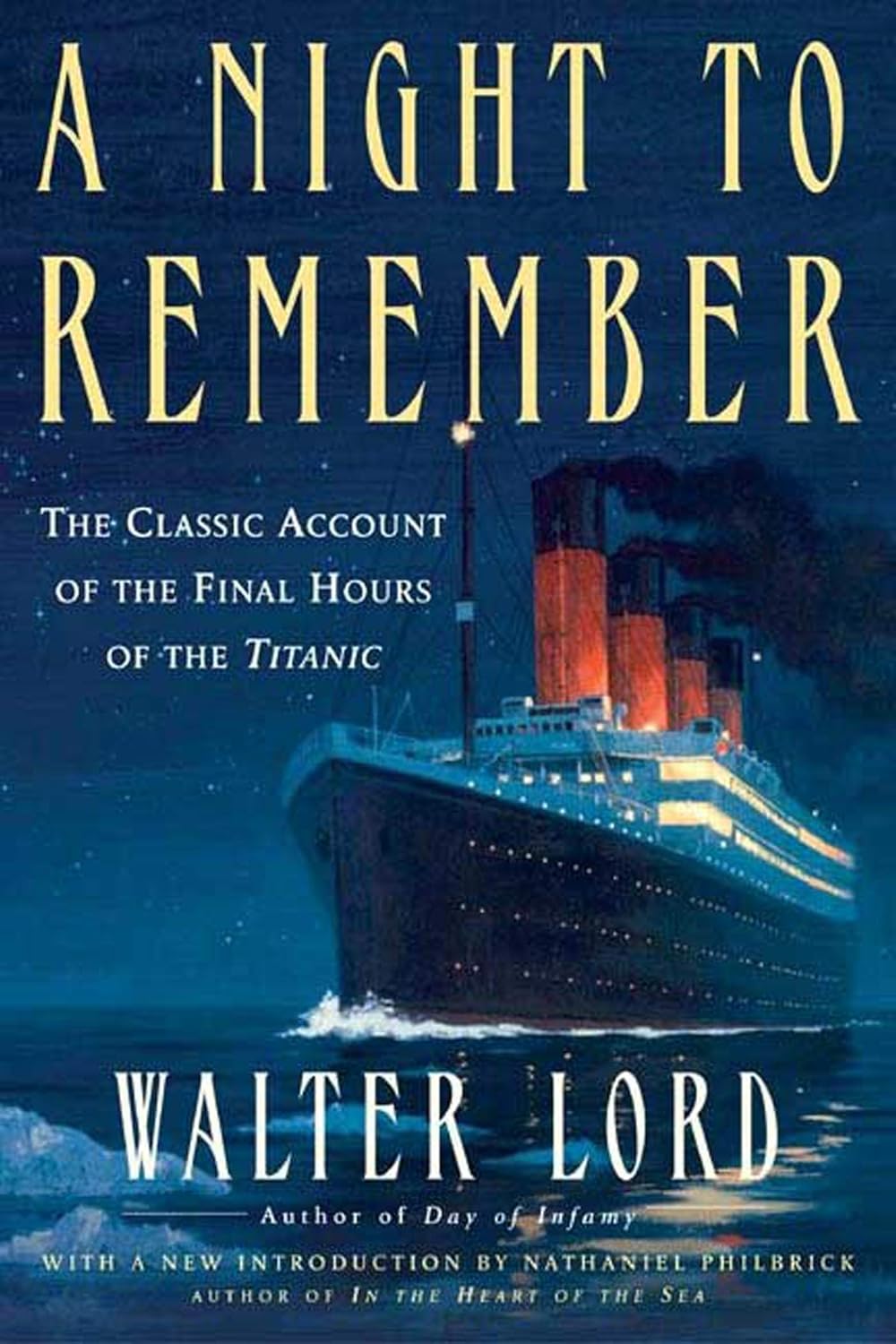
A Night to Remember
Walter Lord


 Apple Books


 44 Min Reading Time
 Audio Version Available
About this book
On the night of April 14, 1912, the RMS Titanic, the largest ship ever built, struck an iceberg and sank in the icy waters of the North Atlantic. In Walter Lord's meticulously researched and grippingly told account, A Night to Remember, the tragedy unfolds with haunting immediacy. Drawing on firsthand testimonies from survivors, Lord recreates the chilling hours as the "unsinkable" ship met its fateful end.
From the opulent suites of the first-class passengers to the cramped quarters of the steerage, the human drama of the Titanic is brought to life. Witness the initial disbelief, the growing panic, and the selfless acts of courage as passengers and crew faced unimaginable peril. Experience the chaos of the evacuation, the desperate scramble for lifeboats, and the heartbreaking decisions that determined who would live and who would perish.
More than just a historical account, A Night to Remember is a powerful and unforgettable exploration of human nature in the face of disaster, forever etching the story of the Titanic into the collective consciousness. Discover the minute-by-minute breakdown of that fateful night and understand why this tragedy continues to resonate a century later.
Summary of Key Ideas
- •
The Shattered Myth of the Unsinkable
The Illusion of Infallibility: The Titanic was touted as unsinkable, representing humanity's triumph over nature. This hubris led to a disregard for potential risks, like speeding through iceberg-infested waters. The sinking shattered this illusion, exposing the limits of human ingenuity and the unpredictable power of nature. This key idea underscores the dangers of overconfidence and the importance of humility in the face of the unknown. The tragedy serves as a stark reminder that even the most advanced technology is vulnerable.
- •
Lifeboat Ethics: Class and Survival
Class Distinctions in Crisis: The rigid social hierarchy of the time was starkly evident during the sinking. First-class passengers had significantly higher survival rates than those in steerage due to their proximity to the lifeboats and the prevailing 'women and children first' policy, which was more strictly enforced in the upper classes. This disparity highlights the inequalities of the Edwardian era and raises questions about fairness and privilege in the face of disaster. The book poignantly portrays how social standing influenced one's chances of survival.
- •
Humanity Under Pressure: Heroes and Cowards
Individual Acts of Heroism and Cowardice: The narrative showcases a spectrum of human behavior, from selfless acts of bravery to blatant cowardice. Many crew members and passengers, including Captain Smith and Benjamin Guggenheim, displayed remarkable courage and sacrifice, while others panicked and fought for their own survival, disregarding the safety of others. These contrasting actions reveal the complexities of human nature under extreme pressure and provide a powerful commentary on morality and character.
- •
A Cascade of Errors: Fatal Communication Failures
Communication Breakdown and Missed Opportunities: A series of communication failures, including ignored ice warnings and inadequate lifeboat capacity, contributed significantly to the scale of the disaster. The lack of effective communication between the Titanic and nearby ships, as well as confusion among the crew, hampered rescue efforts and led to preventable deaths. This highlights the critical importance of clear and timely communication in emergency situations and the devastating consequences of miscommunication.
- •
The Titanic as a Turning Point in History
The End of an Era: The sinking of the Titanic marked the end of the Edwardian era's optimism and innocence. The disaster exposed the vulnerabilities of a society that had placed unwavering faith in technology and social order. The tragedy served as a wake-up call, prompting reforms in maritime safety regulations and a reevaluation of societal values. The event symbolized the fragility of human endeavors and the unpredictable nature of progress.
- •
History Through the Eyes of Survivors
The Power of Eyewitness Accounts: Walter Lord meticulously reconstructs the events of that night through numerous interviews with survivors. This approach provides a multi-faceted and deeply personal account of the tragedy, capturing the horror, confusion, and emotional impact of the sinking. By weaving together individual stories, Lord creates a compelling and authentic narrative that brings the disaster to life and allows readers to connect with the human experience of the event.
- •
Unwavering Courage in the Face of Death
Bravery and Sacrifice: The book highlights numerous instances of extraordinary courage and selflessness. Many passengers, particularly men, chose to stay behind to ensure women and children could board the lifeboats. Crew members worked tirelessly to assist passengers, often sacrificing their own safety in the process. These acts of bravery amidst chaos exemplify the best aspects of human nature and provide a powerful counterpoint to the stories of panic and self-preservation.
- •
The Enduring Scars of a Night to Remember
The Lasting Impact of Trauma:
Chapter Recap

About The Author
Walter Lord
Main Quotes
"She was going so fast, yet everything seemed so peaceful."
"The Titanic more than any other single event marks the end of the old days, and the beginning of a new, uneasy era."
"It was human error, not an act of God."
"There was no panic, but there was a certain amount of quiet resignation."
"Why, it was all so new and big and shiny and exciting."
"He had done his duty."
"The last boat had gone."
"It all happened so quickly."
"Iceberg dead ahead!"
"It was a night to remember."
Who Should Read This Book
History buffs, particularly those interested in maritime disasters
Readers interested in the Titanic disaster
Students studying history or the Titanic
Readers who enjoy narratives based on true events
Individuals interested in social history and class dynamics of the early 20th century
Readers who appreciate detailed, factual accounts presented in an accessible style
People interested in stories of human behavior under extreme pressure
Book Summaries Like
A Night to Remember


FAQ

Free Access to LitNotes