




 DISCORD
A People's History of the United States
Howard Zinn, Howard Zinn


 Amazon Best Sellers
 Barnes & Noble Bestsellers


 217 Min Reading Time
 Audio Version Available

About this book
Forget the textbook tales of presidents and battles. Howard Zinn's A People's History of the United States dares to tell America's story from the bottom up, in the voices of those history often silences: the women, laborers, African Americans, Native Americans, and immigrants who built this nation.
Since its groundbreaking publication, this landmark work has challenged the official narratives, revealing the struggles for justice—for fair wages, equal rights, and humane conditions—fought on the streets, in homes, and in workplaces across the country.
From Columbus's arrival to the modern era, Zinn's unflinching account exposes the exploitation and oppression that fueled American progress, offering a powerful and vital alternative to the traditional, sanitized versions of our past. Discover the untold stories, the forgotten heroes, and the persistent battles for a more just and equitable society in this essential and transformative work of history.
Summary of Key Ideas
- •
History from the Margins
History from the Bottom Up: Zinn deliberately shifts the historical narrative away from the traditional focus on presidents, generals, and elites, and instead shines a light on the experiences of ordinary people – the working class, women, people of color, and Native Americans. He aims to provide a more inclusive and accurate account of the past by amplifying the voices of those often marginalized or ignored in mainstream historical narratives. This approach reveals the struggles, resistance, and contributions of these groups, challenging the conventional understanding of American progress and power.
- •
Deconstructing American Myths
Challenging American Exceptionalism: Zinn questions the idea that the United States has always been a force for good in the world. He exposes the darker aspects of American history, including the brutal treatment of Native Americans, the exploitation of enslaved people, and the aggressive expansionism that often came at the expense of other nations. By highlighting these injustices, Zinn challenges the notion of American innocence and encourages readers to critically examine the country's role in global affairs.
- •
The Power of Collective Action
The Enduring Power of Social Movements: The book emphasizes the role of social movements in shaping American history. Zinn illustrates how ordinary people, organized and mobilized, have been instrumental in pushing for social change, from the abolitionist movement to the labor movement to the Civil Rights movement. He underscores the importance of collective action and resistance in challenging oppressive systems and advocating for a more just and equitable society. These movements demonstrate that progress is not simply handed down from above but fought for from below.
- •
Exposing Economic Disparities
Critique of Economic Inequality: Zinn argues that economic inequality has been a persistent feature of American society, from the colonial era to the present day. He highlights the ways in which the wealthy and powerful have used their influence to maintain their privilege, often at the expense of the working class and the poor. By exposing the roots and consequences of economic inequality, Zinn calls for a more equitable distribution of wealth and resources.
- •
Questioning the Notion of Progress
The Myth of Progress: Zinn questions the traditional narrative of linear progress in American history. While acknowledging advancements in some areas, he points out that progress has often been uneven and incomplete, with marginalized groups often excluded from its benefits. He argues that it is essential to critically examine who benefits from progress and who is left behind, and to strive for a more inclusive and equitable vision of the future.
- •
Unmasking Government's Role
Government Complicity in Injustice: Zinn does not shy away from criticizing the role of government in perpetuating injustice. He demonstrates how government policies and actions, often presented as neutral or beneficial, have often served to protect the interests of the wealthy and powerful while oppressing marginalized groups. This critique extends to all branches of government, including the executive, legislative, and judicial branches.
- •
Deconstructing the Glorification of War
War as a Tool of Oppression: Zinn offers a critical perspective on war, arguing that it has often been used as a tool of oppression and exploitation. He examines the human cost of war, both for soldiers and civilians, and exposes the economic and political motives that often drive military conflict. By challenging the glorification of war, Zinn encourages readers to question the justifications for military intervention and to consider alternative approaches to conflict resolution.
- •
Celebrating Dissent and Resistance
The Importance of Dissent: Throughout the book, Zinn emphasizes the importance of dissent and resistance in a democratic society. He celebrates the individuals and groups who have dared to challenge the status quo, even in the face of repression and persecution. By highlighting the role of dissent, Zinn encourages readers to exercise their own critical thinking skills and to speak out against injustice.
Chapter Recap

About The Author
Howard Zinn
Main Quotes
"There is an underside to every age about which history does not often speak, because history is written from records left by the privileged."
"The memory of states is the memory of rulers, writers, and privileged people."
"We must not accept the memory of states as our own."
"If those in charge of our society - politicians, corporate executives, and owners of press and television - can dominate our ideas, they will be secure in their power. They will not need soldiers. They will not need police."
"The cry of the poor is not always just, but if you don't listen to it, you will never know what justice is."
"Civil disobedience is not our problem. Our problem is civil obedience."
"How can you frighten a man whose hunger is not only in his own cramped stomach but in the pinched faces of his children? You can't scare him -- he has known a fear beyond every other."
"The United States is a giant on the world stage, and its actions affect all of us."
"We are not neutral. We are on the side of people."
"To be neutral between the fireman and the fire is, to me, a crime."
Who Should Read This Book
Individuals interested in a critical perspective on American history
Readers seeking narratives of marginalized groups
Students and educators in history, political science, and sociology
Activist and politically engaged individuals
Those interested in social justice issues
Readers who enjoy alternative historical viewpoints
General readers seeking a different understanding of American history
Book Summaries Like
A People's History of the United States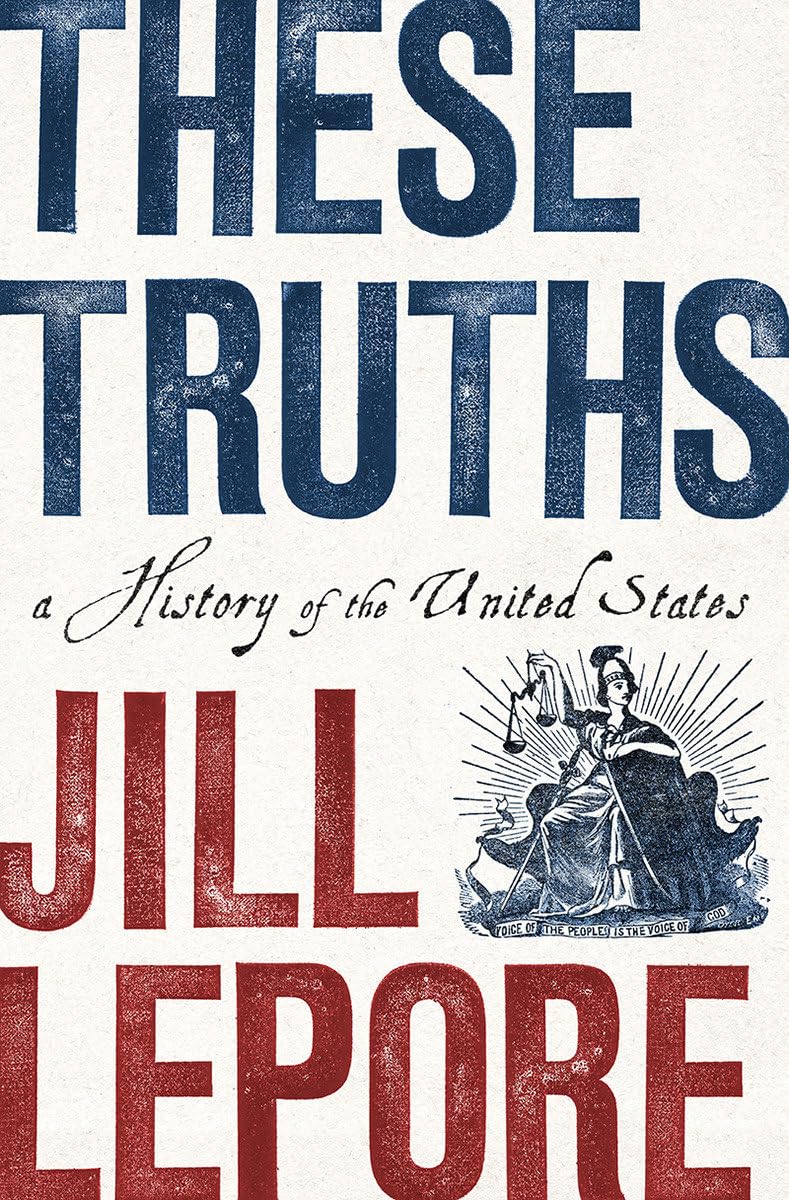
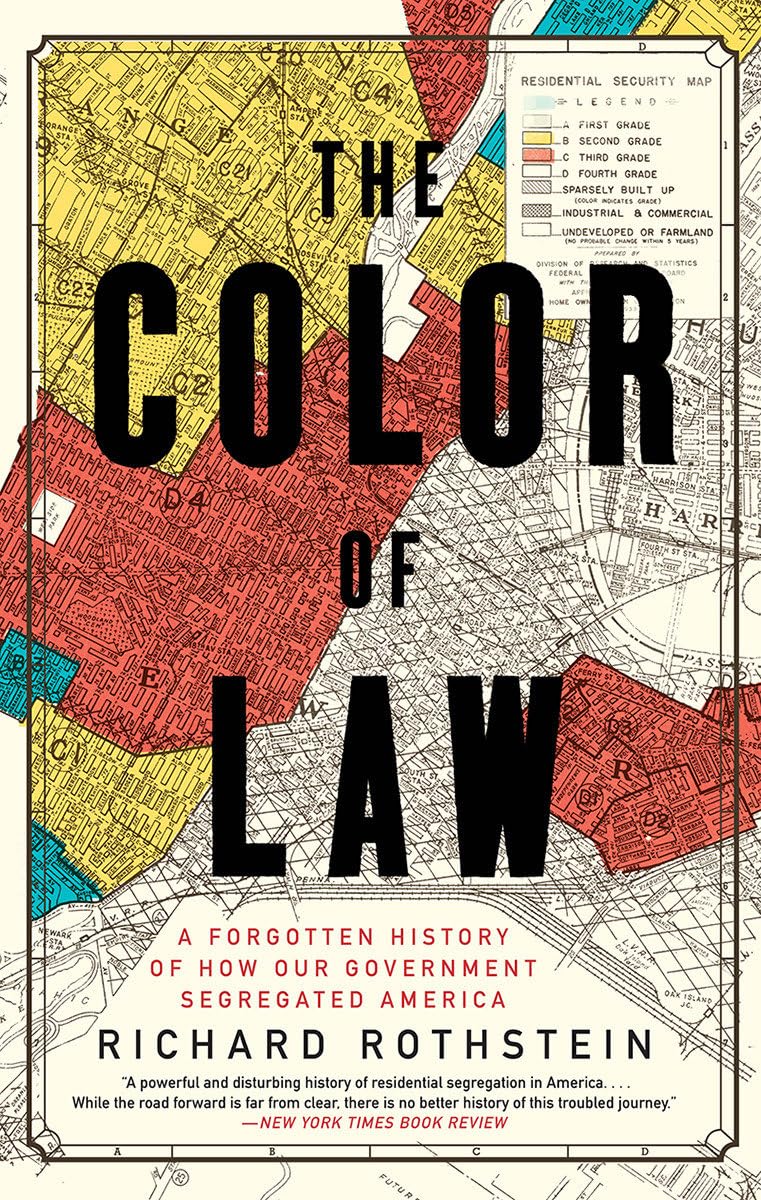

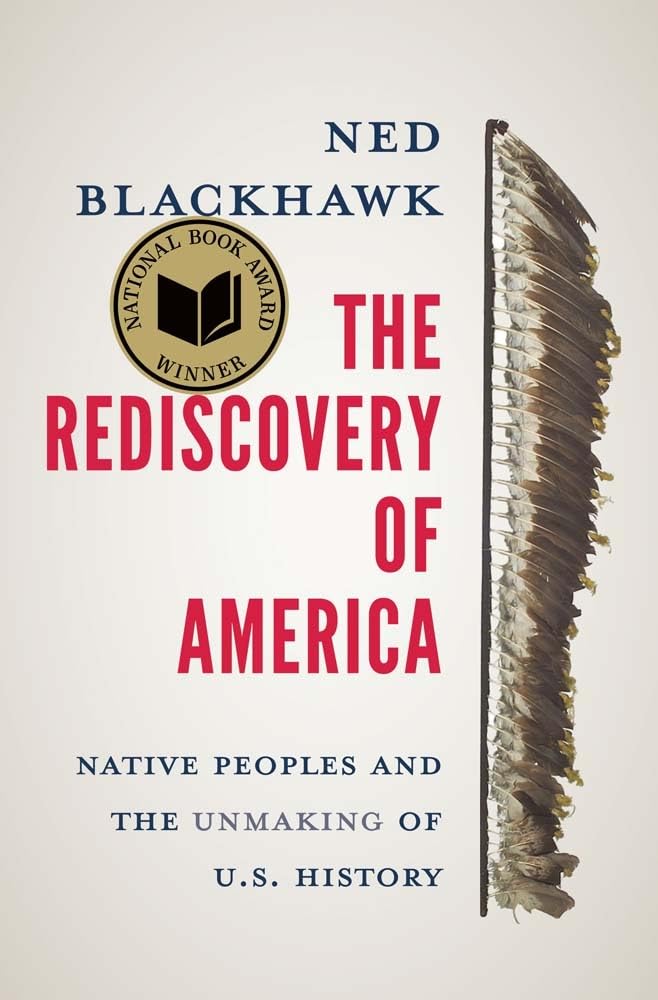

FAQ

Free Access to LitNotes