




 DISCORD
A Series of Unfortunate Events #1: The Bad Beginning
Lemony Snicket


 Apple Books


 13 Min Reading Time
 Audio Version Available
About this book
Dear Reader,
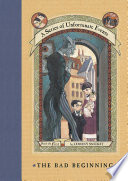
If you're seeking a tale of sunshine and rainbows, look away. This is the woeful story of the Baudelaire orphans: Violet, the inventive eldest; Klaus, a bookish middle child; and Sunny, a baby with surprisingly sharp teeth.
Their lives, already marred by the sudden loss of their parents, take a turn for the disastrous when they're placed in the care of the villainous Count Olaf. This repulsive man is determined to swindle them out of their inheritance, and he'll stop at nothing. Prepare yourself for itchy clothing, cold porridge, a suspiciously fatal fire, and plots so nefarious they'll curdle your custard.
You've been warned. This is a series of unfortunate events, indeed.
Summary of Key Ideas
- •
The Tragic Loss That Starts It All
The story opens with the sudden and tragic loss of Violet, Klaus, and Sunny Baudelaire's parents in a fire, instantly plunging them into a world of sorrow and uncertainty. This event sets the stage for the entire series, highlighting the unpredictable and cruel nature of fate. The children are left orphaned and vulnerable, their lives irrevocably changed. This initial misfortune underscores the series' exploration of grief, resilience, and the challenges of navigating a world filled with danger and deception. The loss of their parents is not just a singular event, but the catalyst for all the unfortunate events that follow, shaping their journey and forcing them to rely on each other for survival.
- •
The Villainous Count Olaf's Greed
Count Olaf, a distant and nefarious relative, becomes the children's legal guardian, but his intentions are far from benevolent. He is portrayed as a greedy and cruel character who is solely interested in acquiring the Baudelaire fortune. Olaf's villainy is evident from the start through his repulsive appearance, menacing demeanor, and constant threats. His incompetence as a guardian is highlighted by his neglect of the children's basic needs and his blatant attempts to swindle them. Count Olaf represents the ever-present danger and untrustworthy adults that the Baudelaires must constantly face. His pursuit of the Baudelaire fortune drives the plot and forces the children to outsmart him at every turn.
- •
The Baudelaire's Ingenuity and Resourcefulness
Despite their dire circumstances, Violet, Klaus, and Sunny each possess unique talents and intelligence that they use to navigate their unfortunate situation. Violet is an inventor, capable of creating ingenious devices to solve problems. Klaus is a voracious reader with an extensive knowledge of various subjects. Sunny, though still a baby, has incredibly sharp teeth and an uncanny ability to bite through almost anything. The children’s resourcefulness is their greatest asset as they try to survive and escape Count Olaf’s clutches. Their combined skills emphasize the importance of education, critical thinking, and teamwork in overcoming adversity. They exemplify how inner strength and intellect can triumph over external threats.
- •
Resilience in the Face of Adversity
Throughout their ordeal, the Baudelaire orphans demonstrate remarkable resilience in the face of constant misfortune. They repeatedly encounter setbacks, betrayals, and life-threatening situations, yet they never lose hope or give up on each other. Their unwavering determination to survive and protect one another becomes a central theme in the story. This resilience is not portrayed as mere survival, but also as a form of resistance against the forces trying to destroy them. The Baudelaires demonstrate a strength of character that allows them to persevere despite overwhelming odds, teaching the readers about the importance of hope and perseverance in dark times.
- •
Lemony Snicket's Meta-Narrative and Warnings
Lemony Snicket, the narrator, frequently interrupts the story to offer warnings, explanations, and pessimistic observations about the events unfolding. He directly addresses the reader, acknowledging the unhappiness and despair present in the narrative. Snicket's narrative style serves to create a self-aware, meta-fictional experience, constantly reminding the reader that this is not a lighthearted tale. His interjections often foreshadow future misfortunes, adding to the sense of dread and inevitability. This narrative technique also highlights the author's intent to prepare readers for the harsh realities of the story and to encourage them to be aware of the dangers and deceptions in the world around them.
- •
The Unreliability of Adults
The story explores the theme of unreliable adults, highlighting the children's struggle to find trustworthy figures in a world filled with deceit and incompetence. The adults who are supposed to protect the Baudelaires often fail them, either through their own malicious intent (like Count Olaf) or through their naivety and ineffectiveness. Justice Strauss is kind but limited in her ability to help, while Mr. Poe, the banker, remains oblivious to Olaf's true nature. This theme emphasizes the importance of children trusting their own instincts and resourcefulness when the adults in their lives are unable or unwilling to provide adequate support and protection. It also encourages critical thinking and skepticism towards authority figures.
Chapter Recap

About The Author
Lemony Snicket
Main Quotes
"If you are interested in stories with happy endings, you would be better off reading some other book."
"In this book, not only is there no happy ending, there is no happy beginning and very few happy things in the middle."
"It is a curious thing, the death of a loved one."
"The way sadness works is one of the strange riddles of the world."
"Reading is one form of escape. Running for your life is another."
"“Money is the world's curse.”"
"“Friends can make you feel that the world is smaller and less sneaky than it really is.”"
"“I can't tell you how much we appreciate this,” Violet said, carefully."
"“Come on, friends,” Count Olaf said to his comrades."
"“I’m afraid I must disagree,” Mr. Poe said. “A person is not a bird. You cannot simply clip her wings and expect her to be grateful she doesn’t fall off the face of the earth.”"
Who Should Read This Book
Children aged 9-12
Middle grade readers who enjoy dark humor and gothic themes
Fans of mystery and adventure stories
Readers who appreciate quirky and intelligent writing
Parents and educators looking for engaging read-aloud books
Fans of the Netflix series adaptation
Readers who enjoy books that break the fourth wall
Gift-givers looking for a unique and memorable present
Book Summaries Like
A Series of Unfortunate Events #1: The Bad Beginning
FAQ

Free Access to LitNotes