




 DISCORD
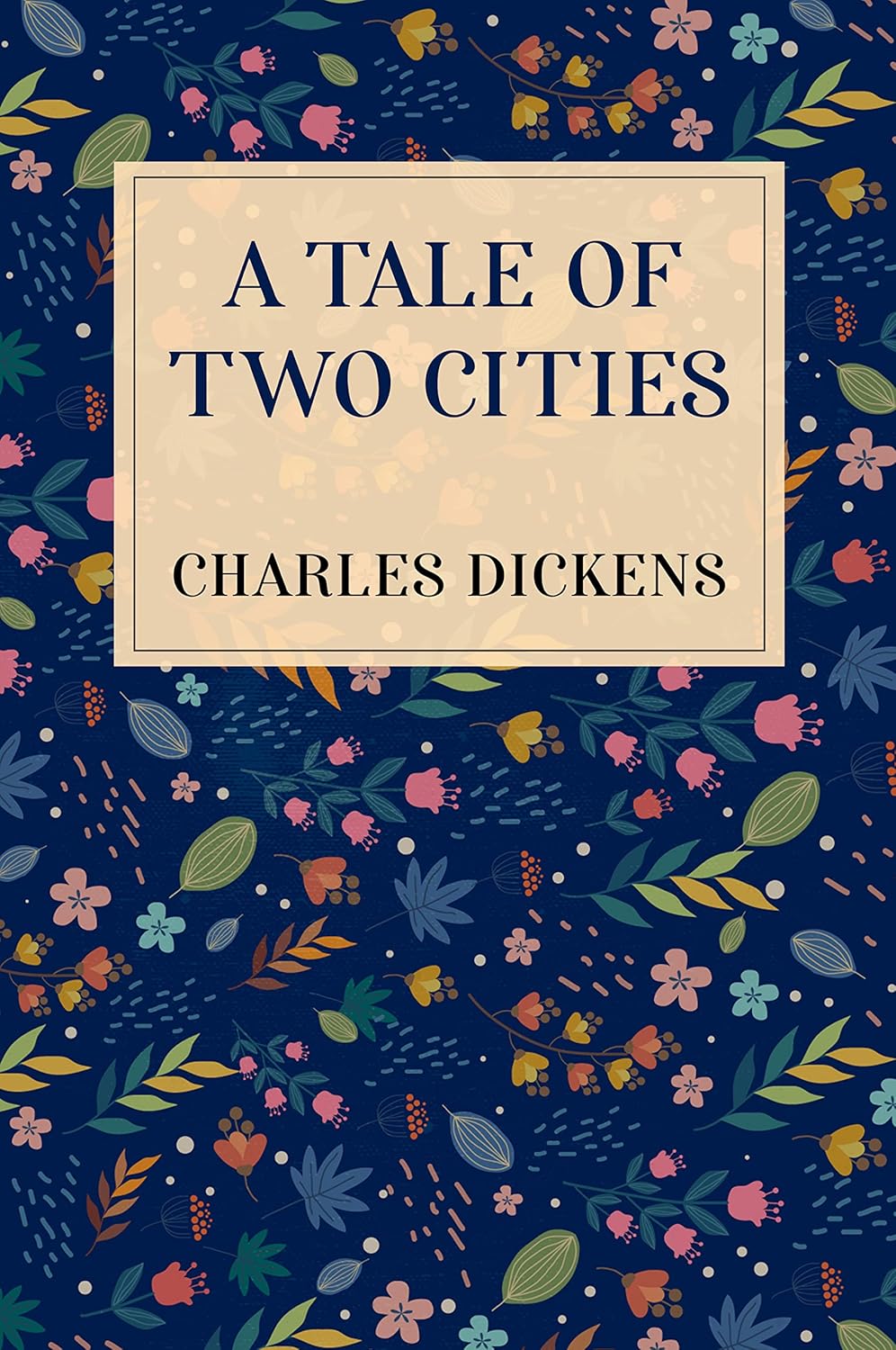
A Tale of Two Cities
Charles Dickens


 Apple Books


 138 Min Reading Time
 Audio Version Available
About this book
Set against the backdrop of revolutionary France and London, Charles Dickens' A Tale of Two Cities is a sweeping epic of love, sacrifice, and redemption. Dr. Manette, after years of unjust imprisonment in the Bastille, is released and reunited with his daughter, Lucie. Their lives become intertwined with Charles Darnay, a French aristocrat fleeing the turmoil of his homeland, and Sydney Carton, a cynical lawyer who finds unexpected purpose in his love for Lucie.
As the French Revolution explodes in violence, Darnay is drawn back to Paris, where he faces the wrath of the revolutionaries. Carton, witnessing Darnay's plight and fueled by his unrequited love for Lucie, embarks on a courageous plan, offering himself as the ultimate sacrifice to save Darnay's life.
With themes of resurrection, social injustice, and the duality of human nature, A Tale of Two Cities is a timeless masterpiece that explores the best and worst of humanity amidst the chaos of revolution. Experience the power of Dickens' storytelling as he weaves a rich tapestry of compelling characters and unforgettable moments in this enduring tale of hope and selflessness.
Summary of Key Ideas
- •
Duality of Two Cities
The novel explores the stark contrasts between London and Paris, portraying them as symbols of order and chaos, respectively. London represents a sense of tradition, law, and relative stability, while Paris embodies the fervor of revolution, social unrest, and violence. Dickens uses these two cities to highlight the differences in their social and political climates, emphasizing how these environments shape the lives and destinies of the characters. The juxtaposition of these settings enhances the dramatic tension and underscores the novel's exploration of duality and conflict. Through vivid descriptions and symbolic representations, Dickens captures the essence of each city, making them integral to the story's themes and emotional impact.
- •
Resurrection and Renewal
A central theme in the novel is the ever-present possibility of resurrection and transformation. Several characters experience a metaphorical 'rebirth' throughout the story. Dr. Manette is mentally resurrected after his release from the Bastille, emerging from a broken state to find purpose in his love for Lucie. Sydney Carton undergoes a profound transformation, evolving from a cynical and self-destructive man to a selfless hero who sacrifices himself for others. This theme highlights the potential for personal redemption and the ability to overcome past traumas, suggesting that even in the darkest of times, renewal and positive change are possible.
- •
The Tumultuous French Revolution
The French Revolution serves as a powerful backdrop, examining the causes, consequences, and complexities of social upheaval. Dickens portrays the aristocracy as decadent and oppressive, contributing to the widespread suffering of the peasantry. The revolution is depicted with both sympathy and critique, acknowledging the justified grievances of the oppressed while also illustrating the dangers of mob rule and indiscriminate violence. The novel explores how revolutionary ideals can be corrupted by hatred and vengeance, leading to a cycle of brutality and injustice. Dickens ultimately presents a nuanced perspective on revolution, highlighting its potential for both liberation and destruction.
- •
The Power of Sacrifice
The theme of sacrifice is poignantly illustrated through various characters who prioritize the well-being of others above their own. Sydney Carton's ultimate sacrifice stands as the most prominent example, as he willingly gives his life to save Charles Darnay from the guillotine. Lucie Manette embodies selfless love and devotion, nurturing her father back to health and providing unwavering support to her husband. These acts of selflessness underscore the novel's emphasis on compassion, empathy, and the redemptive power of love. Sacrifice becomes a means of transcending personal limitations and achieving a higher moral purpose.
- •
Social Injustice and Inequality
Dickens explores the theme of social injustice, particularly the oppression of the lower classes by the aristocracy. The stark contrast between the opulent lifestyle of the wealthy elite and the abject poverty of the peasants fuels the revolutionary fervor. The novel exposes the systemic inequalities and abuses that lead to widespread discontent and ultimately ignite the French Revolution. Dickens critiques the indifference and cruelty of the ruling class, highlighting the devastating impact of their actions on the lives of ordinary people. Through vivid portrayals of suffering and exploitation, the novel calls for greater social responsibility and a more equitable distribution of resources.
- •
The Significance of Doubles
The concept of doubles, or duality, is a recurring motif throughout the novel. Charles Darnay and Sydney Carton are physical doubles, yet they represent contrasting moral characters. The two cities themselves, London and Paris, represent contrasting societies. This theme underscores the complexities of human nature and the potential for both good and evil to coexist within individuals and societies. The use of doubles creates a sense of mirroring and juxtaposition, highlighting the interconnectedness of seemingly disparate elements and emphasizing the novel's exploration of moral ambiguity.
- •
Fate Versus Free Will
Fate and destiny play a significant role in shaping the lives of the characters. The circumstances of their birth, their family histories, and the broader political events of the time all contribute to their individual paths. While characters make choices that influence their destinies, they are also subject to forces beyond their control. The theme of fate raises questions about free will, determinism, and the extent to which individuals can shape their own lives in the face of larger historical and social currents. The characters grapple with their predetermined roles, seeking to find meaning and purpose within the constraints of their circumstances.
Chapter Recap

About The Author
Charles Dickens
Charles Dickens, was the most popular English novelist of the Victorian era, and one of the most popular of all time. He created some of literature's most iconic characters, with the theme of social reform running throughout his work. The continuing popularity of his novels and short stories is such that they have never gone out of print. ([Source][1].) [1]:http://en.wikipedia.org/wiki/Charles_Dickens
Main Quotes
"It was the best of times, it was the worst of times."
"I see a beautiful city and a brilliant people rising from this abyss."
"It is a far, far better thing that I do, than I have ever done; it is a far, far better rest that I go to than I have ever known."
"Liberty, equality, fraternity, or death; — the last, much the easiest to bestow, O Guillotine!"
"Think now and then that there is a man who would give his life, to keep a life you love beside you."
"A life you love."
"I am a disappointed drudge, sir. I care for no man on earth, and no man cares for me."
"The pain of parting is nothing to the joy of meeting again."
"There is prodigious strength in sorrow and despair."
"Crush humanity out of shape once more, under similar hammers, and it will fly back to shape, so sure as steel springs to the light."
Who Should Read This Book
Readers of classic literature
High school and college students
Readers interested in historical fiction, particularly the French Revolution
Individuals interested in themes of sacrifice, resurrection, and social justice
Readers who appreciate complex characters and intricate plots
People who enjoy exploring themes of violence, oppression, revenge, love, and class conflict.
Book Summaries Like
A Tale of Two Cities


FAQ

Free Access to LitNotes