




 DISCORD
All Fours
Miranda July


 Goodreads Choice Awards
 USA Today Best Sellers


 98 Min Reading Time
 Audio Version Available
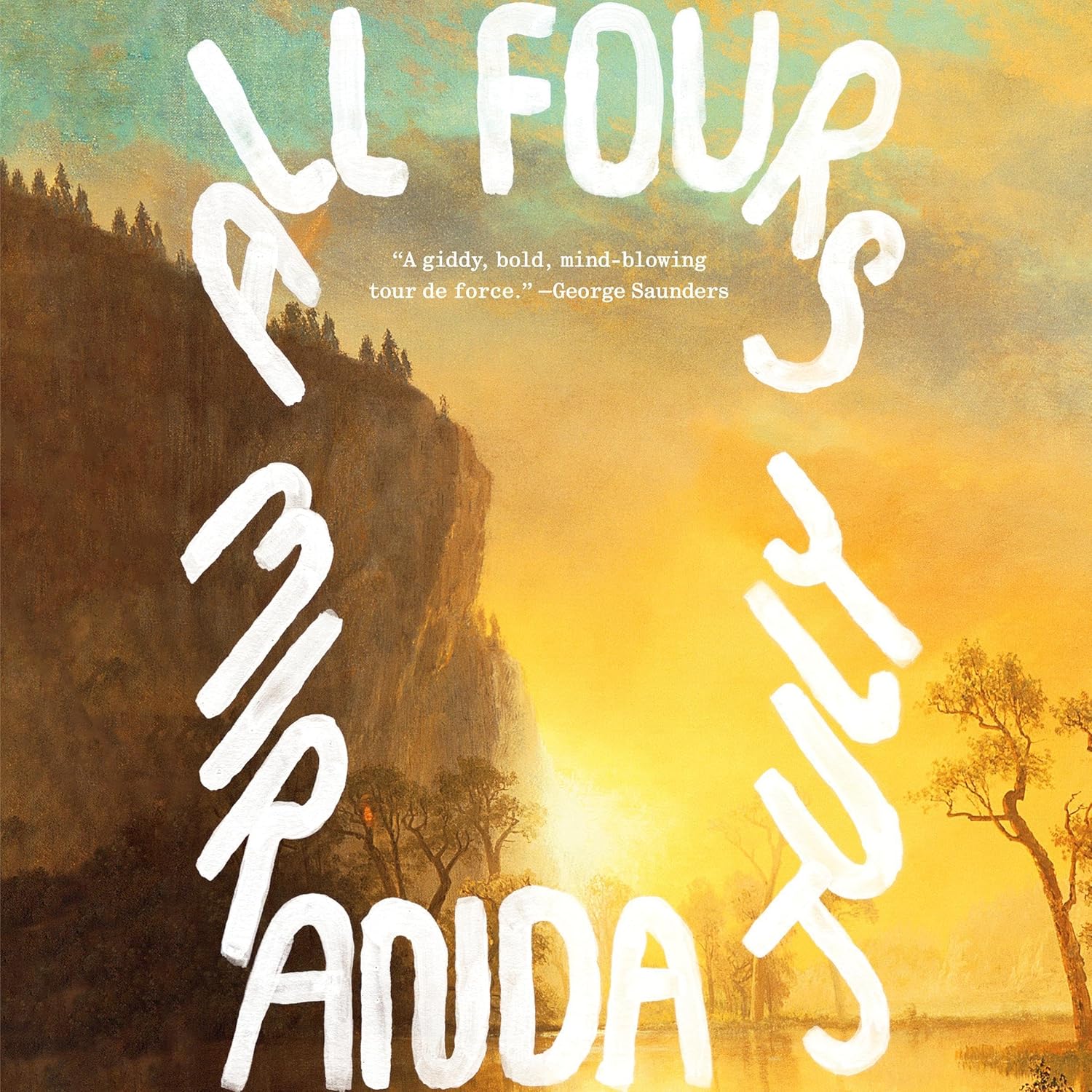
About this book
When a semi-famous, forty-five-year-old artist abruptly abandons her meticulously planned cross-country road trip just one hour from her Los Angeles home, a wild and unexpected journey begins. Leaving behind her husband and teenage son, she impulsively rents a motel room and embarks on a passionate affair that awakens a primal desire for freedom and transformation.
Miranda July's All Fours is a fiercely original and audaciously funny novel that fearlessly explores the complexities of marriage, motherhood, sexuality, and the search for self. With her signature blend of humor, vulnerability, and profound insight, July delves into the messy, exhilarating, and often absurd realities of a woman embracing her desires and questioning the boundaries of conventional life. Prepare to be captivated by this tender, sexy, and ultimately liberating story of reinvention and the courage to live life on all fours.
Summary of Key Ideas
- •
Unapologetic Exploration of Female Desire
The novel confronts the complexities of female desire and sexuality, particularly within the context of middle age and motherhood. The protagonist's journey is marked by a frank and unapologetic exploration of her own needs and fantasies, challenging societal expectations and norms surrounding female sexuality. July delves into the often-unspoken aspects of female pleasure and masturbation, portraying them as essential components of self-discovery and empowerment. This exploration is not merely titillation but a critical examination of how women are conditioned to perceive and express their desires.
- •
Embracing Spontaneity and Breaking Free
The protagonist's impulsive decision to abandon her planned cross-country trip and instead settle in a small town marks a pivotal shift in her life. This act of rebellion underscores the theme of embracing spontaneity and breaking free from the constraints of routine and expectation. The novel suggests that true fulfillment often lies in the willingness to deviate from the established path, to embrace the unknown, and to prioritize personal desires over societal pressures. This theme resonates with the broader idea of self-discovery through unconventional choices.
- •
Navigating Identity and Aging
The novel delves into the protagonist's evolving sense of self as she navigates middle age. Facing the realities of aging, she grapples with questions of identity, purpose, and fulfillment. This exploration involves confronting anxieties about mortality, physical changes, and the shifting dynamics of relationships. Through her experiences, the novel suggests that aging is not merely a decline but an opportunity for growth, self-reflection, and the rediscovery of passions and desires. The protagonist's journey serves as a testament to the enduring potential for personal evolution throughout life.
- •
The Significance of Human Connection
The protagonist's interactions with various characters throughout the novel highlight the importance of human connection and the complexities of relationships. These connections, whether fleeting or profound, offer opportunities for empathy, understanding, and personal growth. The novel explores the nuances of intimacy, friendship, and familial bonds, emphasizing the significance of vulnerability and authenticity in fostering meaningful relationships. It also acknowledges the challenges and imperfections inherent in human interactions, suggesting that growth often arises from navigating these complexities.
- •
Challenging Societal Norms and Expectations
The novel subtly critiques societal expectations and norms, particularly those imposed on women. Through the protagonist's rebellion against conventional roles and expectations, the novel challenges the limitations placed on female autonomy and self-expression. It questions the assumptions surrounding marriage, motherhood, and career, advocating for a more nuanced and inclusive understanding of female identity. This critique extends to the broader societal pressures that dictate how individuals should live their lives, encouraging readers to question and challenge these norms.
- •
Art as a Means of Self-Expression
The protagonist's creative pursuits as an artist are interwoven with her personal journey, highlighting the role of art as a means of self-expression and exploration. Her artistic endeavors serve as a vehicle for processing emotions, confronting fears, and articulating her unique perspective on the world. The novel suggests that creativity is not merely a profession but a vital aspect of human experience, offering a pathway to self-discovery and personal fulfillment. The protagonist's artistic process mirrors her life's journey, reflecting the messy, imperfect, and ultimately transformative nature of both.
- •
The Journey of Self-Discovery
The novel delves into the protagonist's journey of self-discovery as she grapples with feelings of stagnation and a desire for change. This involves confronting her fears, questioning her assumptions, and embracing new experiences. Through her unconventional choices and interactions, she gradually uncovers hidden aspects of herself and gains a deeper understanding of her own needs and desires. The novel suggests that self-discovery is an ongoing process, requiring courage, vulnerability, and a willingness to step outside of one's comfort zone.
Chapter Recap

About The Author
Miranda July
Main Quotes
"If I lived to be ninety I was halfway through. Or if you thought of it as two lives, then I was at the very start of my second life."
"This dance had to work because generally, going forward, things would not work out, disappointment would reign. My grandmother knew this, and her daughter."
"For me lying created just the right amount of problems and what you saw was just one of my four or five faces- each real, each with different needs."
"One leg of my desk is shorter than the others and every day for the past fifteen years I've meant to wedge some‑ thing under it, but every day"
"My friend, she's very good, like a nun or a saint. Not a prude, just kind of holy."
"I felt very alive, kind of buzzy. I had never really decorated, not with actual money. Harris already owned our house before I met him so I"
"God, I feel like all risks are sort of unexpected. It's funny in a way, the most obvious one was right there at the beginning"
"So: grit, grit, grit, then: release. Joy. This works especially well for a life built around grueling self‑discipline culminating in glittery"
"One of the weirdest books I've ever read. I really didn't feel as if it "got" her relationships, especially with Kris, as it just seemed to come out of nowhere."
"Miranda July's best book yet is a spectacularly horny story about pursuing sexual and creative freedom."
Who Should Read This Book
Readers of contemporary fiction
Fans of Miranda July's previous works (e.g., "No One Belongs Here More Than You," "The First Bad Man")
Readers interested in themes of female sexuality, marriage, perimenopause, and mid-life crises
Women in their 40s and 50s
Readers who appreciate unconventional, experimental, and boundary-pushing narratives
Those interested in stories exploring psychological depth and introspection
Readers who enjoy a blend of humor, awkwardness, and emotional vulnerability
Book Summaries Like
All Fours

FAQ

Free Access to LitNotes