




 DISCORD
Anatomy
Dana Schwartz

 Goodreads Choice Awards
 Apple Books


 41 Min Reading Time
 Audio Version Available
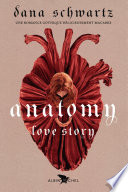
About this book
In the dark corridors of 1817 Edinburgh, Lady Hazel Sinnett dares to defy destiny. Betrothed to a cousin and expected to embrace a life of docile obedience, Hazel harbors a scandalous ambition: to become a surgeon. Defying societal constraints, she secretly attends anatomy lectures, where she encounters Jack Currer, a resurrection man who exhumes bodies for medical study.
Drawn to Jack's forbidden world and the spark of freedom he ignites within her, Hazel's clandestine studies lead to a chilling discovery: unsettling experiments are being conducted on cadavers, reaching into the highest echelons of Edinburgh society. Driven by an insatiable thirst for knowledge and a growing connection with Jack, Hazel embarks on a perilous investigation, delving into a web of secrets, romance, and the dark anatomy of the human heart.
Summary of Key Ideas
- •
Defying Societal Norms: Hazel's Medical Ambition
Hazel's ambition to become a surgeon in a male-dominated era is a central theme. Set in 1817 Edinburgh, the story highlights the challenges she faces due to societal expectations and gender roles. Hazel defies these constraints by disguising herself and attending anatomy lectures, showcasing her determination to pursue her passion despite the obstacles. Her ambition drives much of the plot, as she navigates the world of medicine, science and the expectations placed upon women during the 19th century, making sacrifices and challenging conventions to achieve her goals. Hazel’s journey underscores the importance of perseverance and the fight for equality in pursuing one's dreams.
- •
Ethical Boundaries of Scientific Advancement
The novel explores the ethical dilemmas surrounding scientific progress, particularly concerning the use of cadavers for anatomical study. Jack's role as a resurrection man, procuring bodies for the anatomy lectures, raises questions about morality and the value of human life. The story delves into the dark underbelly of medical advancement, where the pursuit of knowledge often clashes with ethical considerations. This conflict highlights the tension between scientific ambition and the need for compassion and respect in the treatment of the deceased, prompting readers to consider the potential costs of scientific progress.
- •
Social Inequality and the Plight of the Impoverished
Poverty and social class play a significant role in the narrative. Jack's background as a resurrection man is directly linked to his impoverished circumstances. The stark contrast between Hazel's privileged upbringing and Jack's struggle for survival underscores the social inequalities of the time. The novel explores how poverty forces individuals into morally ambiguous situations, such as grave robbing, to make ends meet. It also highlights the disparities in access to education and opportunities based on social class, emphasizing the systemic barriers that prevent individuals like Jack from pursuing a better life.
- •
Gothic Atmosphere and the Macabre
The gothic atmosphere of 1817 Edinburgh is a crucial element, contributing to the novel's sense of mystery and suspense. The descriptions of the city, the anatomy theatre, and the graveyards create a dark and unsettling backdrop that enhances the themes of mortality and the unknown. The gothic setting also reflects the psychological states of the characters, mirroring their internal conflicts and anxieties. This atmosphere not only heightens the suspense but also serves as a metaphor for the hidden secrets and moral decay lurking beneath the surface of society.
- •
Transcending Social Barriers Through Connection
The central relationship between Hazel and Jack transcends a typical romance, delving into themes of intellectual connection and mutual respect. Despite their different social backgrounds, they find common ground in their curiosity and shared interest in anatomy. Their relationship challenges societal expectations and provides each of them with support and understanding. This connection is not merely romantic but also intellectual, as they learn from each other and grow as individuals. Their bond highlights the importance of looking beyond social barriers and finding genuine connections based on shared values and interests.
- •
Mortality, Immortality, and the Human Condition
The story explores themes of life, death, and immortality through the characters' involvement with anatomy and scientific experimentation. The characters grapple with the mysteries of the human body and the desire to understand the nature of life itself. Dr. Beecham's experiments hint at the possibility of extending life beyond its natural limits, raising questions about the ethics and consequences of tampering with mortality. The novel delves into humanity's fascination with overcoming death and the potential dangers of pursuing such ambitions without considering the moral implications.
Chapter Recap

About The Author
Dana Schwartz
Main Quotes
"“We are all born mad. If we stay that way, we have only ourselves to blame.”"
"“The line between duty and desire is as thin as a scalpel’s edge.”"
"“It is a strange thing to be responsible for a life, even one that is not your own.”"
"“Some things, once seen, cannot be unseen.”"
"“There is a great difference between being alive and living.”"
"“The body is a temple, and sometimes it must be torn down to be rebuilt.”"
"“To know death is to better understand life.”"
"“The world is full of secrets, and some are best left buried.”"
"“We are all monsters, Eleanor, in one way or another.”"
"“The truth is a scalpel, and it cuts deep.”"
Who Should Read This Book
Young adults (ages 13-18)
Fans of historical fiction
Readers interested in gothic romance
Those who enjoy mystery novels
Individuals fascinated by early European medicine and anatomy
Readers of YA novels with strong female leads
Fans of Dana Schwartz's writing style
Readers seeking light fantasy elements in historical settings
Those who appreciate stories set in Edinburgh, Scotland
Book Summaries Like
Anatomy



FAQ

Free Access to LitNotes