




 DISCORD
Angela's Ashes
Frank McCourt


 Amazon Best Sellers
 Apple Books


 74 Min Reading Time
 Audio Version Available
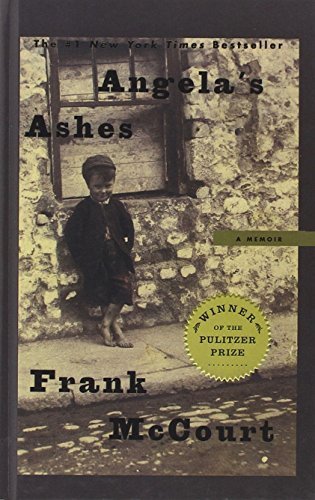
About this book
In the slums of Limerick, Ireland, young Frank McCourt endures a childhood of crushing poverty, near-starvation, and the casual cruelty of others. His mother, Angela, struggles to provide, while his father, Malachy, a captivating but irresponsible alcoholic, fuels Frank's imagination with fantastical tales. Angela's Ashes is a luminous memoir of resilience, a testament to the power of story, and a poignant portrayal of a boy's determination to survive against all odds. With astonishing humor and forgiveness, McCourt crafts a masterpiece from the squalor and misery of his Irish Catholic upbringing, proving that even the most wretched childhood can be transformed into a tale of triumph.
Summary of Key Ideas
- •
The Crushing Weight of Poverty
The pervasive theme of poverty underscores nearly every aspect of Frank McCourt's childhood in Limerick. The McCourt family constantly battles hunger, disease, and homelessness, struggling to survive in the squalor of the Irish slums. Frank's narrative vividly depicts the indignities and desperation of poverty, from scavenging for food to wearing tattered clothes and attending schools with inadequate resources. This relentless deprivation shapes Frank's worldview, forcing him to mature quickly and develop a keen understanding of social inequalities. The book highlights the cyclical nature of poverty, passed down through generations, and the limited opportunities available to those born into it. Despite the grim circumstances, the family's resourcefulness and determination to persevere shine through, showcasing the resilience of the human spirit in the face of extreme hardship.
- •
The Destructive Force of Alcoholism
Frank's father, Malachy, struggles with chronic alcoholism, a significant force in the family's dysfunction. While Malachy occasionally provides moments of warmth and storytelling, his drinking habits lead to unemployment, squandered wages, and neglect of his family's basic needs. Angela, Frank's mother, bears the brunt of Malachy's irresponsibility, working tirelessly to provide for her children despite facing constant hardship and societal stigma. Malachy's alcoholism creates a volatile and unpredictable environment, leaving Frank and his siblings in a state of constant anxiety. The narrative portrays alcoholism not merely as a personal failing but also as a symptom of deeper societal issues, including poverty, unemployment, and a lack of opportunity. Despite the pain it inflicts, Frank often remembers his father's stories and songs fondly, revealing a complex and ambivalent relationship.
- •
Unyielding Resilience in the Face of Adversity
Despite the hardships he endures, Frank displays remarkable resilience and a persistent determination to overcome his circumstances. He navigates the challenges of poverty, illness, and familial instability with a blend of humor, wit, and unwavering optimism. Whether it's scavenging for coal, working odd jobs, or excelling in school despite inadequate resources, Frank consistently demonstrates his ability to adapt and persevere. His resilience is fueled by a deep-seated desire to escape the confines of Limerick and create a better life for himself. This spirit of perseverance serves as a central theme of the memoir, highlighting the strength of the human spirit in the face of adversity and inspiring readers to confront their own challenges with courage and determination.
- •
The Liberating Power of Education
Education serves as a beacon of hope for Frank, offering him a potential pathway out of poverty and a means of self-improvement. Despite the challenges of attending schools with limited resources and facing social biases, Frank excels academically and develops a love for reading and learning. His education provides him with intellectual stimulation, expands his horizons, and instills in him a sense of ambition. Frank's pursuit of knowledge empowers him to question the social norms and religious dogmas that perpetuate poverty and inequality. Ultimately, education becomes Frank's ticket to escape Limerick and build a better future in America, underscoring the transformative power of learning and its potential to break the cycle of poverty.
- •
The Ambiguous Role of Religion
Religion plays a complex and often contradictory role in Frank's life. Raised in the strict Catholic environment of Ireland, Frank grapples with religious dogma, guilt, and the fear of sin. He questions the authority of the Church and its teachings, particularly in light of the suffering and injustice he witnesses around him. However, religion also provides Frank with a sense of community, comfort, and moral guidance. He finds solace in prayer and the rituals of the Church, particularly during times of crisis. The narrative explores the tension between faith and doubt, highlighting the challenges of reconciling religious beliefs with the realities of poverty, disease, and death. Ultimately, Frank develops his own personal sense of spirituality, shaped by his experiences and his questioning of traditional doctrines.
- •
A Painful and Accelerated Coming-of-Age
Frank's journey from childhood innocence to adulthood involves confronting the harsh realities of life, loss, and societal inequalities. He witnesses death, disease, and the disintegration of his family, forcing him to mature quickly and confront difficult moral choices. Frank's coming-of-age is marked by his growing awareness of social injustices, his questioning of authority, and his increasing independence. He learns to navigate the complexities of human relationships, experiencing both love and betrayal. As he matures, Frank develops a strong sense of self and a determination to break free from the constraints of his impoverished upbringing. His journey culminates in his emigration to America, symbolizing his final step into adulthood and his pursuit of a better future.
- •
The Enduring Power of Family Bonds
Family relationships, particularly the bond between Frank and his mother, Angela, form the emotional core of the memoir. Angela's unwavering love and sacrifice for her children serve as a constant source of strength and resilience in the face of unimaginable hardship. Despite the challenges of poverty, illness, and her husband's alcoholism, Angela remains a devoted mother, providing her children with emotional support and a sense of security. Frank's relationship with his siblings also plays a significant role in his development, as they support each other through the trials and tribulations of their childhood. The narrative explores the complexities of family dynamics, highlighting both the love and loyalty that bind them together and the conflicts and tensions that arise from their difficult circumstances.
- •
A Portrait of Irish Society and Culture
The memoir provides a vivid portrayal of Irish culture and society in the 1930s and 1940s, capturing the unique traditions, customs, and social dynamics of the time. Frank's narrative explores the pervasive influence of the Catholic Church, the deep-seated animosity towards England, and the rigid social hierarchies that defined Irish society. He depicts the warmth and humor of the Irish people, as well as their struggles with poverty, unemployment, and emigration. The book also sheds light on the historical context of Ireland's relationship with England, highlighting the legacy of colonialism and its impact on Irish identity and culture. Through Frank's experiences, readers gain a deeper understanding of the complexities of Irish society and the challenges faced by those living in poverty during this era.
Chapter Recap

About The Author
Frank McCourt
Francis "Frank" McCourt was an Irish-American teacher and author. McCourt was born in Brooklyn; however, his family returned to their native Ireland in 1934. He received the Pulitzer Prize (1997) and National Book Critics Circle Award (1996) for his memoir Angela's Ashes (1996), which details his childhood as a poor Irish Catholic in Limerick. He is also the author of 'Tis (1999), which continues the narrative of his life, picking up from the end of the previous book and focusing on life as a new immigrant in America. Teacher Man (2005), detailed the challenges of being a young, uncertain teacher who must impart knowledge to his students. His works are often part of the syllabus in high schools. In 2002 he was awarded an honorary degree from the University of Western Ontario. He died of melanoma, the deadliest form of skin cancer, at the age of 78. Source: Goodreads.com
Main Quotes
"When I look back on my childhood I wonder how I survived at all."
"It was, of course, a miserable childhood: the happy childhood is hardly worth your while."
"You might be poor, your shoes might be broken, but your mind is a palace."
"'Tis yourself that is ignorant."
"The Irish are good at the ballad, the lament, and the jig."
"There's no use in denying it: I was a romantic."
"You have to study and learn so that you can make up your own mind about history and everything else but you can't make up an empty mind."
"I'm worn out from being the worst sinner in Limerick."
"What does it matter to the dead, what we say over their bones?"
"The master says it's a glorious thing to die for the Faith and Dad says it's a glorious thing to die for Ireland and I wonder if there's anyone in the world who would like to die for me."
Who Should Read This Book
Readers interested in memoirs and autobiographies
Individuals interested in Irish history and culture, particularly the immigrant experience
Readers who appreciate stories of resilience and overcoming adversity
Those interested in social commentary on poverty, religion, and family dynamics
Readers who enjoy literary works with elements of dark humor and poignant storytelling
Mature readers interested in themes of childhood, family struggles, and loss
Readers of Pulitzer Prize-winning books and literary classics
Individuals interested in the immigrant experience in America
Those who appreciate Irish literature
Book Summaries Like
Angela's Ashes



FAQ

Free Access to LitNotes