




 DISCORD
Anger
Thích Nhất Hạnh


 Apple Books


 45 Min Reading Time
 Audio Version Available
About this book
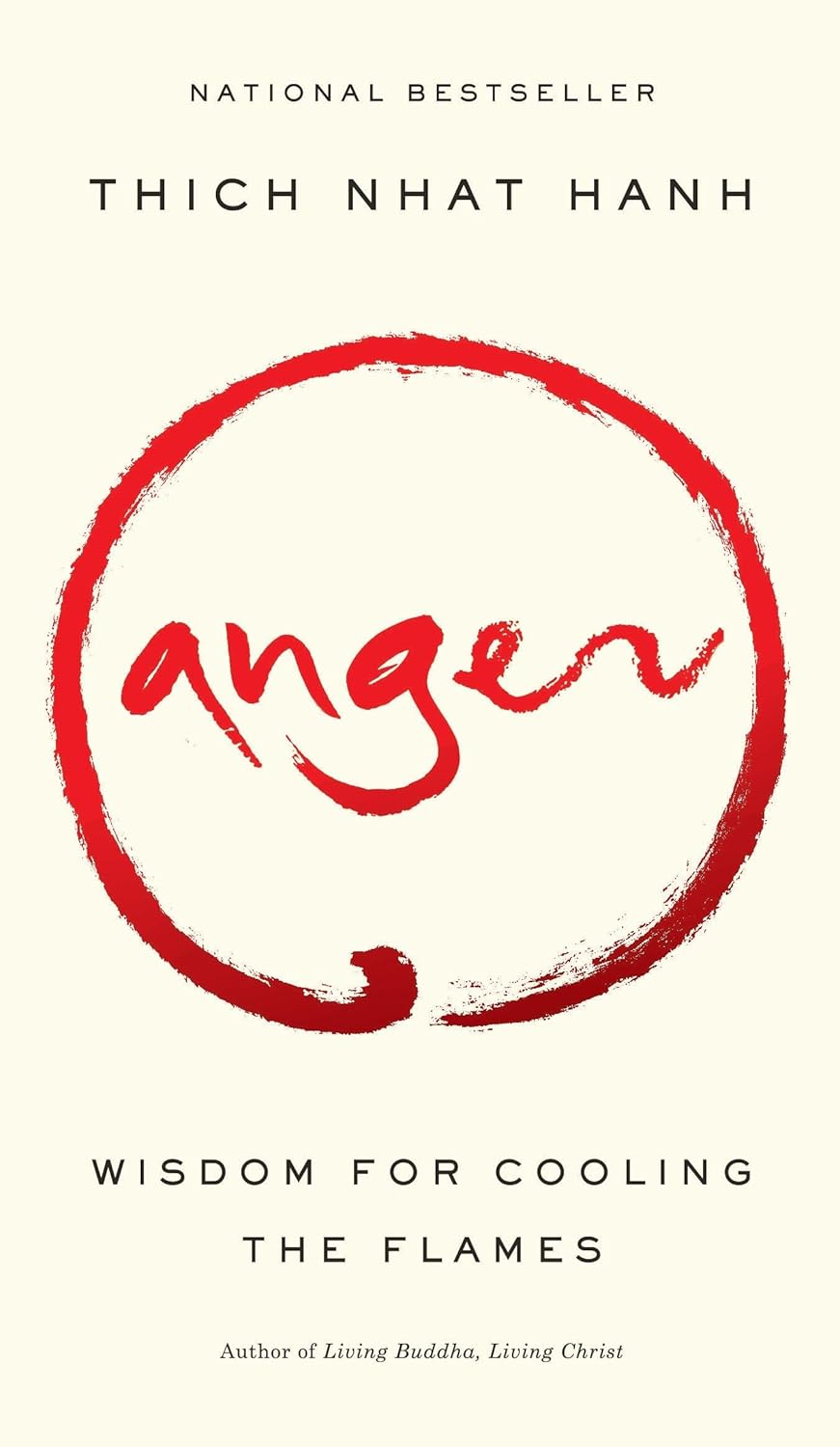
In Anger, renowned Zen master Thich Nhat Hanh delves into the heart of this destructive emotion, offering profound insights and practical tools to transform it into understanding, compassion, and peace. Drawing on the core principles of Buddhism, he illuminates how anger, rooted in wrong perceptions, can devastate our relationships, health, and spiritual well-being.
With gentle wisdom and clarity, Nhat Hanh guides us to recognize and embrace our anger as a crying baby, urging us to listen deeply to its roots. Through powerful techniques and moving stories, he offers a path to healing the wounds caused by anger, both within ourselves and in our interactions with others. Discover how to cultivate mindfulness, compassion, and understanding, and unlock the power to transform anger into a source of wisdom and connection, creating harmony and healing in every aspect of your life.
Summary of Key Ideas
- •
Mindful Awareness of Anger
Mindfulness as the Foundation: Thich Nhat Hanh emphasizes mindfulness as the cornerstone of managing anger. Mindfulness involves paying attention to the present moment without judgment, allowing individuals to observe their anger as it arises without getting carried away by it. By practicing mindfulness, one can create space between the feeling of anger and the reaction, fostering a deeper understanding of its roots and triggers. This awareness is the first step towards transforming anger into compassion and understanding.
- •
Uncovering the Deeper Roots
Understanding the Roots of Anger: The book delves into the idea that anger is often a secondary emotion, stemming from deeper feelings such as fear, pain, or insecurity. By exploring these underlying causes, individuals can gain insight into the true nature of their anger. This involves looking inward and identifying the unmet needs or unresolved traumas that contribute to feelings of frustration and resentment. Addressing these root causes is essential for long-term healing and preventing anger from recurring.
- •
Speaking with Compassion
Compassionate Communication: Thich Nhat Hanh advocates for compassionate communication as a way to resolve conflicts and express anger constructively. This involves speaking truthfully and honestly, while also being mindful of the other person's feelings and perspectives. Using "I" statements to express one's own emotions and needs, rather than blaming or criticizing others, can foster understanding and empathy. Compassionate communication creates a space for dialogue and reconciliation, transforming anger into an opportunity for connection.
- •
The Seed of Anger
Anger as a Seed: The book introduces the concept of anger as a seed within us, which can be nourished by our thoughts, actions, and perceptions. Just as a seed needs the right conditions to grow, anger can be fueled by negative emotions and unskillful habits. By cultivating mindfulness and positive mental states, we can prevent the seed of anger from sprouting. This involves practicing self-care, surrounding ourselves with supportive people, and engaging in activities that promote peace and well-being.
- •
Transforming Fire Into Wisdom
Transforming Anger into Understanding: Thich Nhat Hanh teaches that anger can be transformed into understanding and compassion. By observing our anger with mindfulness and exploring its roots, we can develop empathy for ourselves and others. This involves recognizing that everyone experiences suffering and that anger is often a response to pain. Cultivating understanding allows us to respond to anger with kindness and wisdom, rather than reactivity and aggression.
- •
Self-Care as Prevention
The Importance of Self-Care: The book emphasizes the role of self-care in managing anger. When we are depleted or stressed, we are more likely to become angry and reactive. Prioritizing self-care, such as getting enough sleep, eating healthy foods, and engaging in relaxing activities, can help us regulate our emotions and prevent anger from arising. This also includes setting boundaries and saying no to commitments that overwhelm us, allowing us to create more space for peace and well-being.
- •
The Freedom of Forgiveness
The Practice of Forgiveness: Forgiveness is presented as a crucial step in healing from anger and resentment. Holding onto anger can be damaging to our physical and emotional health, while forgiveness can liberate us from the past. This doesn't mean condoning harmful behavior, but rather releasing the anger and resentment that we carry within us. Forgiveness is a process that takes time and patience, but it ultimately leads to greater peace and freedom.
- •
Communicating Without Violence
Non-Violent Communication: Closely linked to compassionate communication, non-violent communication (NVC) provides a structured approach to expressing oneself authentically and empathetically. NVC emphasizes observing without evaluation, identifying feelings, recognizing needs, and making requests clearly and respectfully. By practicing NVC, individuals can communicate their anger in a way that promotes understanding and resolution, rather than escalating conflict.
Chapter Recap

About The Author
Thích Nhất Hạnh
Main Quotes
"When another person makes you suffer, it is because he suffers deeply within himself, and his suffering is spilling over. He does not need punishment; he needs help. That's the message he is sending."
"The seed of suffering in you may be strong, but don't wait until you have no more suffering before allowing yourself to be happy."
"You carry mother Earth within you. She is not just outside of you. Mother Earth is not just our environment. In that insight of inter-being, you realize you are part of the Earth, and the Earth is part of you."
"When you are angry, if you can smile, that is very good."
"When anger arises in you, practice looking deeply into it."
"Anger is a kind of energy that seeks only to punish."
"Understanding is the foundation of love. If you don't understand someone, you can't love him or her."
"The energy of anger can burn up all the good things in you."
"You have to practice seeing each person as a Buddha."
"We have to learn the art of generating joy and happiness. If you know how to generate joy, you will not be available to anger."
Who Should Read This Book
Individuals seeking to understand and manage their anger.
People interested in Buddhist teachings and mindfulness practices.
Those struggling with emotional regulation and reactive behaviors.
Individuals seeking self-help resources for personal growth and inner peace.
Readers interested in applying mindfulness to everyday life.
Individuals dealing with stress, anxiety, or conflict in relationships.
Those looking for alternative approaches to anger management beyond traditional therapy.
People interested in the intersection of psychology and spirituality.
Book Summaries Like
Anger

FAQ

Free Access to LitNotes