




 DISCORD
Animal Farm
George Orwell


 Amazon Best Sellers
 Indie Bestsellers


 39 Min Reading Time
 Audio Version Available
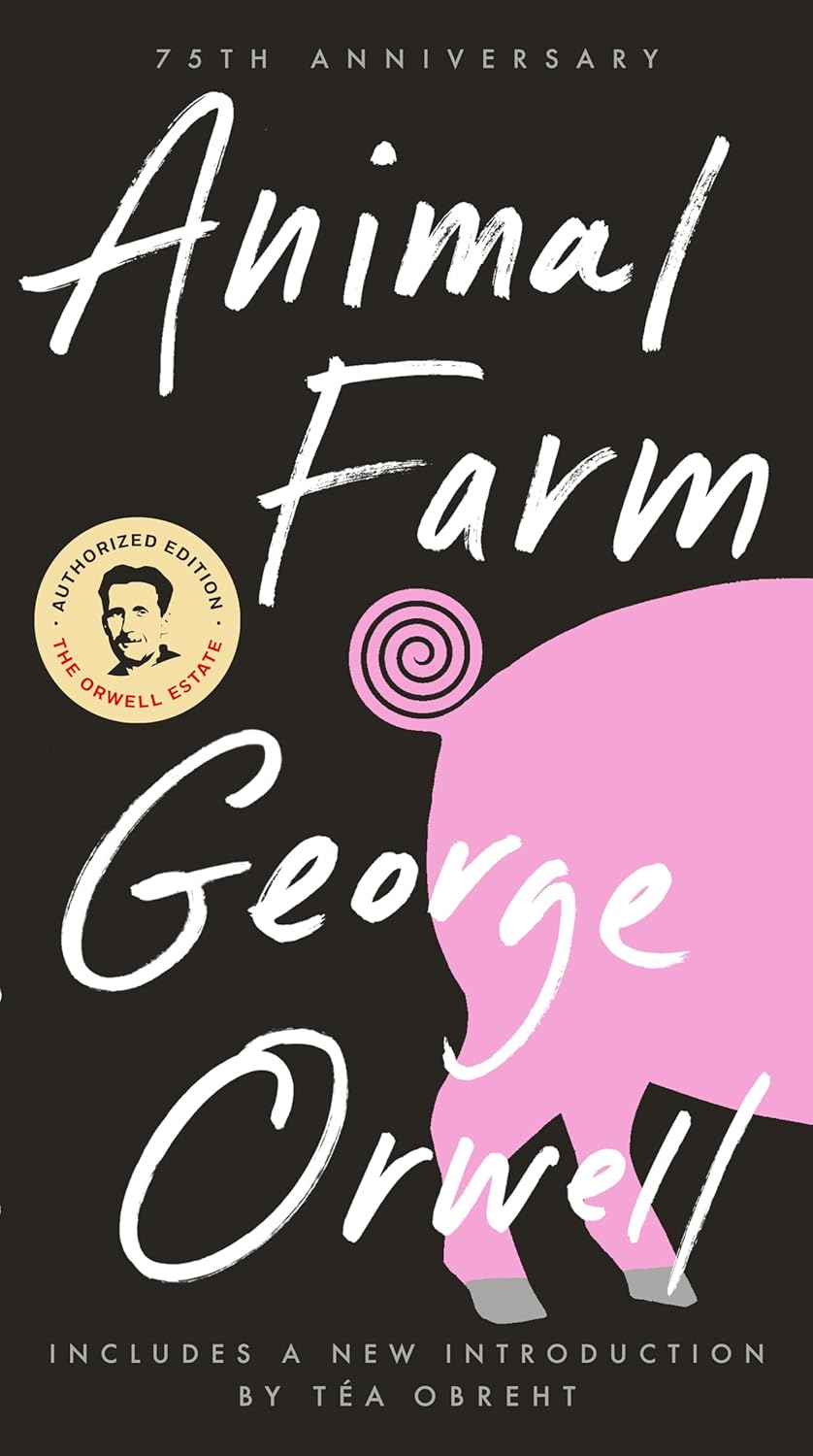
About this book
On Manor Farm, the animals dream of freedom. Inspired by the vision of Old Major, they rise against their human oppressor, Mr. Jones, and establish Animal Farm, a society founded on equality and justice. But as the pigs, Napoleon and Snowball, seize control, their noble ideals begin to erode.
What starts as a revolution descends into tyranny, as the pigs manipulate language, rewrite history, and exploit the other animals for their own gain. The principles of Animalism are twisted, and the farm becomes a mirror of the very oppression they sought to overthrow.
A chilling allegory of power and corruption, Animal Farm exposes the dark side of revolution and the insidious nature of totalitarianism. Orwell's timeless fable serves as a stark warning against the dangers of unchecked authority and the importance of vigilance in the face of injustice.
Summary of Key Ideas
- •
The Corrupting Influence of Power
The novel critiques the dangers of totalitarian regimes through its allegorical representation of the Russian Revolution. Orwell illustrates how revolutions, initially fueled by noble ideals of equality and liberation, can devolve into oppressive dictatorships. The pigs, particularly Napoleon, gradually seize control, exploiting the other animals' naivety and labor to establish a tyrannical rule. This highlights the potential for power to corrupt, even when revolutionary movements begin with the purest intentions, suggesting that vigilance and critical thinking are essential to prevent the rise of authoritarianism.
- •
Exploitation of the Working Class
One of the central ideas in "Animal Farm" is the exploitation of the working class. The common animals, representing the proletariat, are initially motivated by the promise of a better life free from human oppression. However, the pigs, symbolizing the ruling elite, manipulate and exploit the other animals for their own gain. Through propaganda, control of information, and the threat of force, the pigs ensure that the animals remain subservient, working tirelessly while receiving minimal benefits. This underscores the vulnerability of the working class to manipulation and the importance of awareness and solidarity in resisting exploitation.
- •
The Manipulation of Language and Propaganda
Orwell emphasizes how language can be manipulated to control and deceive. Squealer, the pigs' propagandist, skillfully twists words and historical events to justify the pigs' actions and maintain their power. The gradual alteration of the Seven Commandments, such as changing "All animals are equal" to "All animals are equal, but some animals are more equal than others," demonstrates how language can be used to distort reality and suppress dissent. This highlights the importance of critical thinking and media literacy in discerning truth from falsehood and resisting manipulation.
- •
The Emergence of Social Inequality
"Animal Farm" explores the theme of social inequality and the formation of class structures. Despite the initial goal of creating a society where all animals are equal, the pigs quickly establish themselves as a privileged class, enjoying luxuries and power while the other animals endure hardship. This reflects the tendency for social hierarchies to emerge, even in revolutionary societies that strive for equality. The pigs' gradual accumulation of power and resources at the expense of the other animals underscores the challenges of achieving true equality and the persistent risk of class stratification.
- •
The Danger of Naivety and Ignorance
The naivety and lack of education among the working class are portrayed as significant factors in their exploitation. The common animals, such as Boxer, are hardworking and well-intentioned but lack the critical thinking skills to recognize the pigs' manipulation. Their unquestioning obedience and blind faith in the revolution make them vulnerable to deception and control. Orwell suggests that education and critical awareness are essential tools for the working class to protect their interests and resist oppression.
- •
The Failure of Utopian Visions
The book illustrates the failure of utopian ideals when confronted with the realities of power and human (or animal) nature. The animals' initial vision of a perfect society based on equality and freedom is gradually corrupted by the pigs' ambition and self-interest. The farm's descent into totalitarianism demonstrates the difficulty of sustaining utopian visions in the face of inherent human flaws and the ever-present temptation to abuse power. This serves as a cautionary tale about the importance of pragmatism and checks on power in any social or political system.
Chapter Recap

About The Author
George Orwell
Main Quotes
"All animals are equal, but some animals are more equal than others."
"Four legs good, two legs bad."
"Man is the only real enemy we have. Remove Man from the scene, and the root cause of hunger and overwork is abolished forever."
"No animal shall kill any other animal."
"Surely, comrades, you don’t want Jones back?"
"Beasts of England, beasts of Ireland,"
"Beasts of every land and clime,"
"Hearken to my joyful tidings"
"Of the golden future time."
"The creatures outside looked from pig to man, and from man to pig, and from man to pig again; but already it was impossible to say which was which."
"It is for your sake that we drink that milk and eat those apples."
"If you have your lower animals to contend with, we have our lower classes!"
"Forward, in the name of the Rebellion."
Who Should Read This Book
Readers interested in political allegories and satires
Individuals studying Russian history or the Russian Revolution
Students in middle school, high school, and college literature courses
Those interested in social commentary and critiques of totalitarianism
Readers of dystopian fiction
Individuals seeking thought-provoking and allegorical narratives
People interested in farm stories with deeper meanings
Readers interested in books about animal rights and welfare
Book Summaries Like
Animal Farm

FAQ

Free Access to LitNotes