




 DISCORD
Animal, Vegetable, Miracle
Barbara Kingsolver, Camille Kingsolver

 Amazon Best Sellers
 Apple Books


 88 Min Reading Time
 Audio Version Available
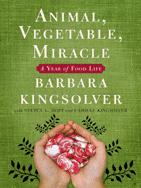
About this book
In a world racing towards convenience, Barbara Kingsolver and her family dared to ask: What does it truly mean to eat? Leaving behind the industrial food pipeline, they embarked on a year-long experiment in rural Appalachia, vowing to consume only food from their own backyard or local sources—or to simply do without.
Animal, Vegetable, Miracle is the captivating chronicle of their adventure, a blend of memoir and journalistic investigation that explores the profound connection between food, family, and community. With characteristic wit and wisdom, Kingsolver leads us through hilarious encounters with zealous zucchini plants and the complexities of raising turkeys, revealing surprising truths about the environmental and social costs of our modern diet.
More than just a cookbook or a manifesto, this is a passionate call to reclaim our appreciation for farms, the rhythms of nature, and the simple joy of knowing where our food comes from. Discover how one family's commitment to local eating transformed their lives, and how it might inspire you to rediscover the lost flavors and shared pleasures of a truly sustainable food culture.
Summary of Key Ideas
- •
The Family Table: A Journey into Local Eating
Local Eating as a Family Adventure: Kingsolver frames their year-long experiment as a family journey, emphasizing the collaborative effort and shared experiences. The book illustrates how choosing local food becomes a unifying force, fostering closer relationships and shared purpose. This approach makes the concept of local eating more accessible and appealing, presenting it not as a sacrifice but as a rewarding lifestyle choice that strengthens family bonds. The family's interactions, challenges, and triumphs are interwoven throughout the narrative, creating a personal and engaging account that resonates with readers.
- •
Tracing Food: From Seed to Plate
Reconnecting with Food Origins: A central theme of the book is the importance of understanding where our food comes from and the processes involved in its production. By growing their own food and sourcing from local farmers, the Kingsolver family gains a deeper appreciation for the effort, resources, and environmental factors that contribute to each meal. This reconnection fosters a sense of gratitude and responsibility towards the food we consume and encourages readers to question the origins and impacts of their own dietary choices. The book challenges the modern disconnect between consumers and food production, advocating for a more informed and mindful approach to eating.
- •
Embracing the Seasons: A Culinary Calendar
Seasonality and the Rhythms of Nature: The narrative highlights the significance of eating seasonally, aligning dietary choices with the natural cycles of the environment. The Kingsolvers adapt their meals to the availability of local produce, celebrating the unique flavors and abundance of each season. This approach not only ensures fresh and flavorful food but also reduces reliance on long-distance transportation and environmentally damaging agricultural practices. The book underscores the beauty and wisdom of living in harmony with nature, encouraging readers to embrace the seasonal rhythms and appreciate the diversity of local ecosystems.
- •
Challenging the Food System: A Call for Change
Critique of Industrial Agriculture: Kingsolver critiques the environmental and social costs of industrial agriculture, highlighting its reliance on fossil fuels, pesticides, and monoculture farming. The book contrasts this with the sustainable practices of local farmers and the benefits of small-scale agriculture, emphasizing the importance of supporting local economies and preserving biodiversity. By showcasing the negative impacts of conventional food systems, Kingsolver encourages readers to consider the ethical and ecological implications of their food choices and to seek alternatives that promote environmental stewardship and social justice.
- •
Cultivating Happiness: The Magic of Gardening
The Joy of Homegrown Food: The book vividly portrays the satisfaction and sense of accomplishment that comes from growing your own food. From planting seeds to harvesting vegetables, the Kingsolvers experience the rewards of their labor and develop a deeper connection to the land. The narrative emphasizes the simple pleasures of gardening and the transformative power of nurturing life, inspiring readers to cultivate their own gardens, no matter how small. This celebration of homegrown food encourages self-sufficiency, promotes healthy eating habits, and fosters a sense of environmental stewardship.
- •
Building Bridges: Food and Community Connection
Food as a Catalyst for Community: The book illustrates how local food can build stronger communities by connecting people with farmers, neighbors, and local businesses. The Kingsolvers actively engage with their community through farmers' markets, local food initiatives, and shared meals, fostering a sense of belonging and mutual support. This emphasis on community building highlights the social benefits of local eating and encourages readers to participate in local food networks, creating a more resilient and connected society. The book demonstrates how food can be a powerful tool for bringing people together and fostering a shared sense of purpose.
Chapter Recap

About The Author
Barbara Kingsolver
Barbara Kingsolver is an American novelist, essayist and poet.
Main Quotes
"We can choose to use our eating choices to broaden our awareness, exalt our taste buds, and please our tables while respecting the health of our bodies and the health of the world."
"Most of us are creatures so comforted by habit, it can take something on the order of religion to invoke new, more conscious behaviors—however glad we may be in theory to adopt them."
"The pleasures of eating should be more than the mere ingestion of calories."
"Real food doesn't need a sales pitch."
"Our lives depend on agriculture, but when our agriculture depends on exports and debt, there's no safety. There's no security in a tomato beholden to a loan."
"The antidote to despair is not to be found in the brave attempt to not die, but in the whole-hearted acceptance of the fact that we are going to die."
"Stop eating things that come in boxes with দিকে説明書"
"Value is not made of money, but a tender balance of expectation and longing."
"Cooking without remuneration" and "slaving over a hot stove" are activities separated mostly by a frame of mind. The distinction is crucial."
"I come from a culture that boasts that if a frog had side pockets, he'd carry a handgun."
Who Should Read This Book
Readers interested in sustainable living and local food movements
Individuals passionate about cooking, gardening, and home economics
Families seeking to improve their diet and connect with their food sources
Readers of memoirs and personal narratives, particularly those focused on lifestyle changes
People concerned about environmental issues and the impact of industrial agriculture
Fans of Barbara Kingsolver's previous works and her engaging writing style
Book clubs and discussion groups focused on food, culture, and society
Educators looking for resources to teach about food systems and sustainability
Individuals interested in the Slow Food movement
Readers seeking a blend of personal experience and journalistic investigation
Book Summaries Like
Animal, Vegetable, Miracle




FAQ

Free Access to LitNotes