




 DISCORD
April 1865
Jay Winik


 Amazon Best Sellers
 Apple Books


 97 Min Reading Time
 Audio Version Available
About this book
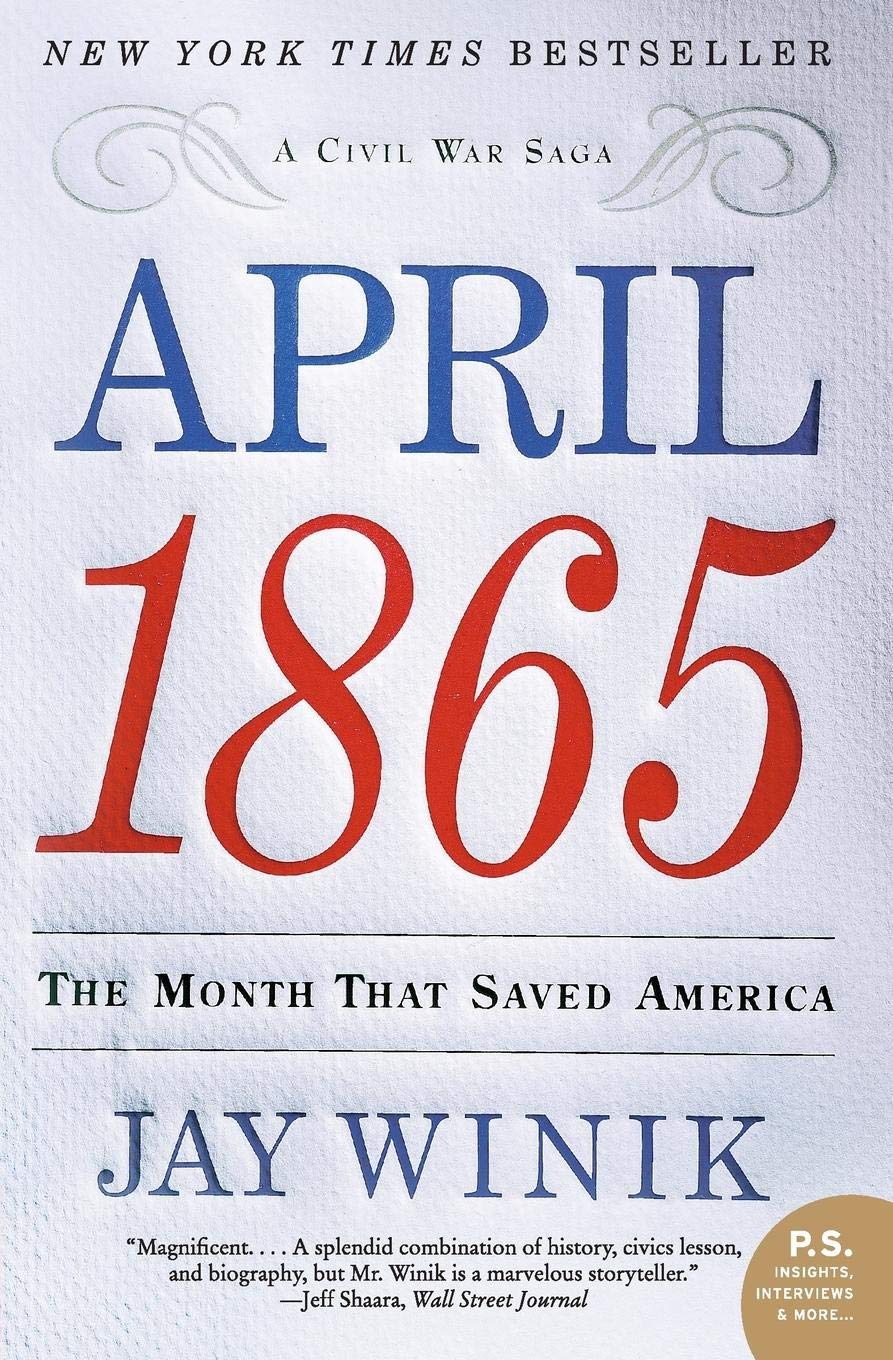
April 1865: a month etched in American memory, but one whose true significance has been obscured by myth. In this gripping narrative, Jay Winik reveals April 1865 as the pivotal moment when the Civil War's end hung precariously in the balance, and the fate of the nation teetered on a knife's edge.
From the smoldering ruins of Richmond to the Appomattox surrender, from Lincoln's assassination to the dangerous power vacuum that followed, Winik masterfully interweaves political intrigue, military strategy, and vivid portraits of iconic figures like Lincoln, Grant, and Lee. He unveils the untold story of how close the country came to a drastically different, far more tragic outcome: a prolonged guerrilla war, a fractured nation, and a legacy of bitterness that could have haunted America for generations.
More than just a chronicle of battles and political machinations, April 1865 is a story of leadership, reconciliation, and the choices that define a nation. It explores how a war-torn country, fractured by hatred, found a path toward healing and unity, forever changing the course of American history. Discover the dramatic, untold story of the month that truly saved America.
Summary of Key Ideas
- •
April 1865: A Month That Defined America
The book underscores the immense significance of April 1865 as a pivotal month that shaped the trajectory of American history. Winik argues that the decisions and events of this period – from the fall of Richmond and Lee’s surrender to Lincoln’s assassination – were crucial in determining the nation’s future. It wasn't just about the end of the Civil War, but about forging a lasting peace and defining the very character of the reunited nation. The book delves into the complex interplay of political, military, and social forces that converged during this period, emphasizing the fragility of the moment and the potential for a very different outcome. Winik highlights that the actions taken (or not taken) by key figures in April 1865 determined whether the US would heal and move forward, or descend into further chaos and division.
- •
Leadership in Crisis: Lincoln, Grant, and Lee
The book offers nuanced portraits of key figures such as Abraham Lincoln, Ulysses S. Grant, and Robert E. Lee, revealing their leadership qualities and the difficult choices they faced. Winik examines their motivations, strategies, and the immense pressure they were under during this critical period. Lincoln's vision for a lenient Reconstruction, Grant's commitment to unconditional surrender and a lasting peace, and Lee's acceptance of defeat and call for reconciliation are all explored in detail. The book illuminates how these individuals navigated complex moral and political dilemmas, and how their actions shaped the course of history. It also delves into how their personalities affected decision making during the final, crucial days of the Civil War, and how that would affect the future of the country as a whole.
- •
The Thorny Path of Reconstruction
Winik explores the complexities of Reconstruction and the challenges of reuniting a deeply divided nation. The book examines the various proposals for Reconstruction, from Lincoln's conciliatory approach to the more radical plans of some members of Congress. It highlights the debates over civil rights for newly freed slaves, the role of the federal government in the South, and the economic recovery of the region. The assassination of Lincoln dramatically altered the course of Reconstruction, leading to a more punitive approach that prolonged the divisions between North and South. The book underscores the missed opportunities and the enduring legacy of this tumultuous period, that set the tone for the next several generations in the United States.
- •
The Shadow of Lincoln's Assassination
The book reveals how the assassination of Abraham Lincoln profoundly impacted the course of Reconstruction and the nation's healing process. Winik details the immediate aftermath of Lincoln's death, the outpouring of grief across the country, and the political ramifications of his absence. Lincoln's vision of a generous and compassionate peace was replaced by a harsher approach under President Andrew Johnson, exacerbating tensions between North and South. The assassination also fueled a sense of betrayal and resentment, making reconciliation more difficult and delaying the full realization of civil rights for African Americans. Winik argues that Lincoln's death was a turning point, with long-lasting consequences for the nation's future.
- •
Resilience and the Pursuit of Unity
Winik highlights the resilience and determination of the American people, both North and South, in the face of immense suffering and loss. The book showcases acts of courage, compassion, and reconciliation that emerged amidst the devastation of war. Stories of soldiers returning home, families rebuilding their lives, and communities coming together to heal are woven throughout the narrative. Winik emphasizes that despite the deep divisions and animosities, there was also a strong desire for unity and a shared commitment to the future of the nation. This emphasizes the slow but eventual healing that came to the country, and the necessity of remembering the sacrifices that were made on both sides of the war.
- •
Challenging Conventional Narratives
The book challenges conventional narratives of the Civil War era by presenting fresh perspectives and iconoclastic scholarship. Winik delves into lesser-known aspects of the conflict and offers new interpretations of key events and figures. By examining the war's end through a wider lens, he sheds light on the complexities and nuances of this pivotal period in American history. The book encourages readers to reconsider their understanding of the Civil War and its legacy, prompting a more critical and nuanced examination of the past. Winik's work also stresses the importance of viewing history with multiple perspectives to truly understand the gravity of the time period.
Chapter Recap

About The Author
Jay Winik
Main Quotes
""As April 1865 approached, the North and South were closer on the issue of slavery than perhaps they had ever been since the founding of the republic.""
""Lincoln had long believed that malice and vengeance were luxuries that the Union could not afford.""
""For Lincoln, the overarching aim was to restore the bonds of affection, to heal the wounds of the nation.""
""Grant's terms were generous, permitting the officers and men to return to their homes, not to be disturbed by the United States authorities so long as they observed their paroles and the laws.""
""Lee's surrender at Appomattox was less a conclusion than a beginning.""
""In truth, April 1865 was a month of both endings and beginnings, of tragedy and triumph.""
""The war was over, but the struggle for true reconciliation, for genuine equality, had only just begun.""
""With malice toward none, with charity for all, with firmness in the right as God gives us to see the right, let us strive on to finish the work we are in, to bind up the nation's wounds.""
""He belonged to the ages now.""
""April 1865 remains an unparalleled moment when the better angels of our nature guided a nation through the shadows of civil war toward the promise of a more perfect union.""
Who Should Read This Book
Readers interested in American history, particularly the Civil War era
Readers interested in political history and leadership during times of crisis
Readers who enjoy narrative history with a focus on key events and figures
Readers seeking a detailed account of the final days of the Civil War and its immediate aftermath
General readers interested in accessible and engaging historical writing
Book Summaries Like
April 1865

FAQ

Free Access to LitNotes