




 DISCORD
Assassins Anonymous
Rob Hart


 Barnes & Noble Bestsellers


 46 Min Reading Time
 Audio Version Available
About this book
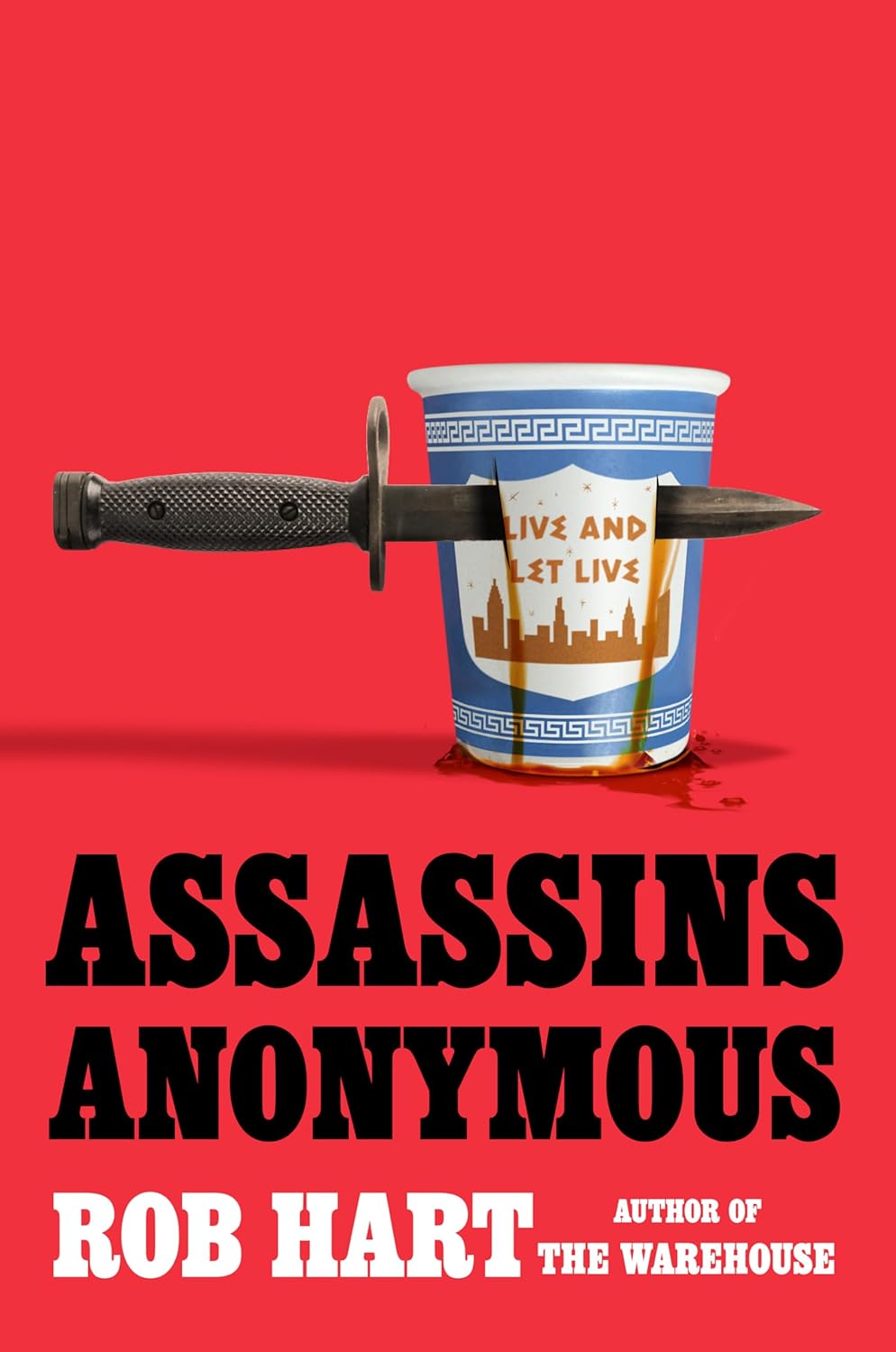
“The best kind of thriller. . . . Suspenseful, sentimental, and ultimately redemptive, Assassins Anonymous is a can’t-miss novel.” — S. A. Cosby, author of All the Sinners Bleed In this clever, surprising, page-turner, the world’s most lethal assassin gives up the violent life only to find himself under siege by mysterious assailants. It’s a kill-or-be-killed situation, but the first option is off the table. What’s a reformed hit man to do? Mark was the most dangerous killer-for-hire in the world. But after learning the hard way that his life’s work made him more monster than man, he left all of that behind, and joined a twelve-step group for reformed killers. When Mark is viciously attacked by an unknown assailant, he is forced on the run. From New York to Singapore to London, he chases after clues while dodging attacks and trying to solve the puzzle of who’s after him. All without killing anyone. Or getting killed himself. For an assassin, Mark learns, nonviolence is a real hassle.
Summary of Key Ideas
- •
Shattering the Facade: Questioning Control
The Illusion of Control: Mark, the protagonist, grapples with the realization that his meticulously controlled life as a top assassin was built on a foundation of lies. Stripped of his agency, he is forced to confront the manipulative forces that shaped his past and the illusion of choice he once believed in. This theme explores how external powers can dictate one's path, leaving individuals feeling like pawns in a larger game, struggling to reclaim their autonomy and rewrite their destinies.
- •
Atonement Through Shared Confession
Finding Redemption in Anonymity: The support group, 'Assassins Anonymous,' serves as a sanctuary for killers seeking atonement. This idea highlights the power of community and shared experiences in confronting one's demons. The anonymity allows characters to shed their past identities and find solace in vulnerability, demonstrating that redemption is possible even for those who have committed terrible acts, provided they are willing to confront their actions and seek change.
- •
Breaking the Chains of Bloodshed
The Cycle of Violence: The book deeply explores the perpetuation of violence and its lasting consequences. Characters are haunted by their past deeds, struggling to break free from the cycle of bloodshed. This key idea examines how violence begets violence, creating a ripple effect that impacts not only the perpetrators but also their victims and loved ones, emphasizing the urgent need to find alternative solutions and break the chain.
- •
The Weight of What's Lost
Grief and its Manifestations: Grief permeates the narrative, influencing characters' decisions and actions. Each member of 'Assassins Anonymous' carries the weight of loss, whether it be the loss of loved ones, innocence, or their former selves. The book explores how grief can manifest in various ways, from seeking revenge to self-destructive behaviors, and the long and difficult process of healing and acceptance.
- •
Unmasking the Truth: The Cost of Lies
The Price of Secrets: Deception and hidden agendas are prevalent, creating an atmosphere of mistrust. Characters conceal their true identities and motivations, leading to unforeseen consequences. This theme highlights the destructive nature of secrets and the importance of honesty and transparency in building genuine relationships, as well as the heavy burden of living a life shrouded in lies.
- •
Moral Ambiguity: Redefining Justice
Defining Justice: The lines between right and wrong become blurred as characters grapple with their own moral codes. What constitutes justice in a world filled with assassins and violence? The book challenges conventional notions of morality, forcing readers to question their own beliefs and consider the complexities of ethical decision-making in extreme circumstances. This exploration of moral ambiguity adds depth and complexity to the narrative, prompting reflection on the nature of justice itself.
Chapter Recap

About The Author
Rob Hart
Main Quotes
"In the concert hall of pain, I've moved from next to the speakers to the back of the venue."
"The difference between humility and humiliation is willingness. Ultimately, it's not for them. It's for me."
"You can only run for so long. Eventually, you end up face-to-face with yourself."
"The only way to get better is to admit you’re sick."
"It’s hard to outrun the things you’ve done."
"Sometimes, the only way to save yourself is to save someone else."
"We all have our reasons for the things we do. Doesn't make them good reasons."
"The past is a weight we all carry."
"Guilt is a powerful motivator."
"You can't change what you've done, but you can change what you do."
Who Should Read This Book
Readers of thriller and suspense novels
Fans of dark humor and witty writing
Readers interested in stories about redemption and second chances
Those who enjoy fast-paced, action-packed plots
Readers who appreciate morally complex characters
Fans of crime fiction with a unique premise
Readers of Christopher Brookmyre, Carl Hiaasen, and Donald Westlake
Book Summaries Like
Assassins Anonymous



FAQ

Free Access to LitNotes