




 DISCORD
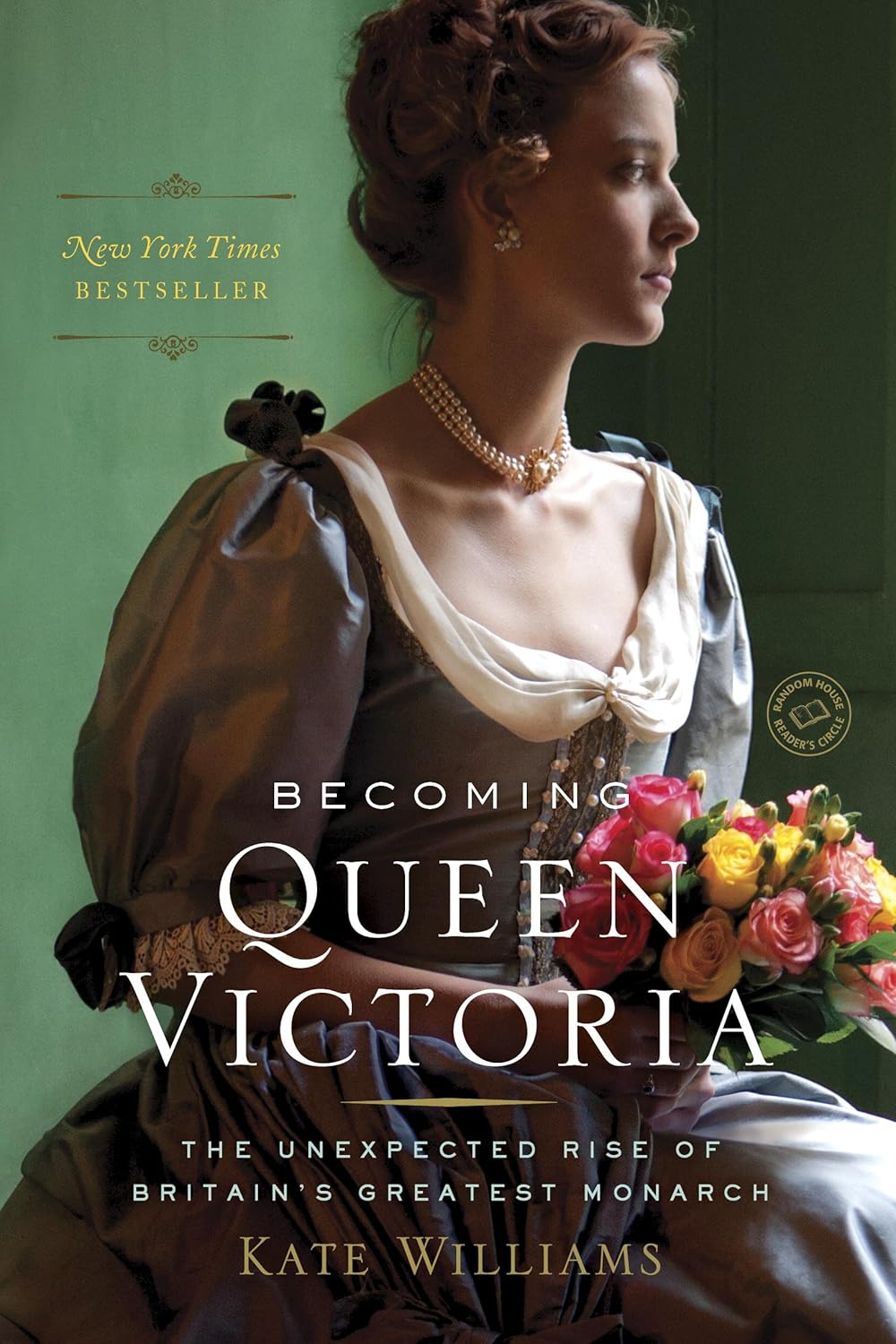
Becoming Queen Victoria
Kate Williams


 Apple Books


 179 Min Reading Time
 Audio Version Available
About this book
In 1819, a seemingly unremarkable girl was born into the British royal family, destined to become one of history's most iconic monarchs. Kate Williams, CNN's official royal historian and author of England's Mistress, unveils the captivating story of Victoria's ascent to power, a journey fraught with palace intrigue and personal battles.
Becoming Queen Victoria plunges into the heart of the young queen's world, exposing the relentless power struggles that defined her early reign. From banishing her manipulative mother and her advisor, the Irish adventurer John Conroy, to locking horns with her ministers and even her beloved Prince Albert, Victoria faced constant challenges to her authority.
With a novelist's touch and a historian's precision, Williams illuminates the passions, secrets, and sexual repression that swirled around the throne. Discover the untold story of the princess whose untimely death paved the way for Victoria's unexpected rule, and witness the transformation of an unassuming teenager into the formidable queen who would shape an era. This is a grand, gossipy, and engaging tale of destiny, power, and the making of a legend.
Summary of Key Ideas
- •
An Unlikely Ascent
The book explores Victoria's unlikely path to the throne, emphasizing that she was not initially expected to become queen. The death of Princess Charlotte, the only legitimate grandchild of George III, created a succession crisis. Victoria's father, Edward, Duke of Kent, was fourth in line, and his brothers were either childless or had illegitimate children. This highlights the role of unexpected events and the fragility of dynastic succession in shaping history, demonstrating how Victoria's birth and upbringing became matters of national importance.
- •
The Confines of Kensington
Victoria's childhood was largely controlled by her mother, the Duchess of Kent, and her comptroller, Sir John Conroy, under the 'Kensington System.' This system aimed to isolate Victoria from outside influences and make her dependent on them. Williams argues that this strict upbringing, while intended to protect Victoria, also made her vulnerable and fostered a deep-seated resentment towards Conroy, significantly shaping her future decisions and relationships, especially her strong will to rule independently.
- •
The Guiding Hand of Uncle Leopold
Leopold, Victoria’s uncle, played a significant role in shaping her early life and preparing her for the throne. He provided guidance and support, understanding the intricacies of royal politics and the importance of maintaining stability. Leopold's influence helped Victoria navigate the complex web of courtly relationships and understand the responsibilities that awaited her. He also encouraged her to remain independent from her mother and Conroy's influence.
- •
Battles for Control
The book reveals the intense power struggles within the royal court as various factions vied for influence over the young Victoria. Conroy, with the Duchess of Kent, sought to establish a regency, aiming to control the monarchy through Victoria. This political maneuvering highlights the vulnerability of a young, unmarried heir and the cutthroat nature of royal politics in the 19th century. Victoria's resistance to these power plays demonstrates her early determination to assert her authority.
- •
Melbourne's Mentorship
Victoria's relationship with Lord Melbourne, her first Prime Minister, is portrayed as pivotal in her development as a queen. Melbourne acted as a mentor and father figure, guiding her through the complexities of parliamentary politics and teaching her how to navigate the political landscape. Their close bond, though sometimes controversial, provided Victoria with the confidence and knowledge she needed to rule effectively, solidifying the importance of strong advisors in a monarch's reign.
- •
Asserting Independence
The book emphasizes Victoria's growing self-assurance and determination to rule in her own right. Despite attempts to control her, she gradually asserted her independence, making her own decisions and challenging the established norms of the court. This highlights Victoria's transformation from a sheltered princess to a confident and capable monarch, laying the foundation for her long and influential reign.
Chapter Recap

About The Author
Kate Williams
Main Quotes
""A queen is not a puppet. She is not there to do what people want. She is there to do what is right.""
""She was a girl, but she was also a queen.""
""She was learning that power was a lonely business.""
""She had to be strong, for herself and for her people.""
""She was determined to rule in her own way.""
""She knew that she was different, that she had a strength that others lacked.""
""She was not afraid to stand up for what she believed in.""
""She was a queen who would not be controlled.""
""She would not let anyone tell her what to do.""
""She was Victoria, Queen of England, and she would rule.""
Who Should Read This Book
Readers interested in British history, particularly the Victorian era
Biographers and those who enjoy reading about the lives of influential historical figures
Readers of royal biographies and histories
Individuals interested in the lives of queens and monarchs
Those who enjoy historical non-fiction
Readers interested in the 19th century
People who enjoy books about the British royal family
Those familiar with and interested in Kate Williams' other books
Readers of popular history
Individuals seeking an accessible and engaging biography
Book Summaries Like
Becoming Queen Victoria
FAQ

Free Access to LitNotes