




 DISCORD
Being Jewish After the Destruction of Gaza
Peter Beinart


 Apple Books


 23 Min Reading Time
 Audio Version Available
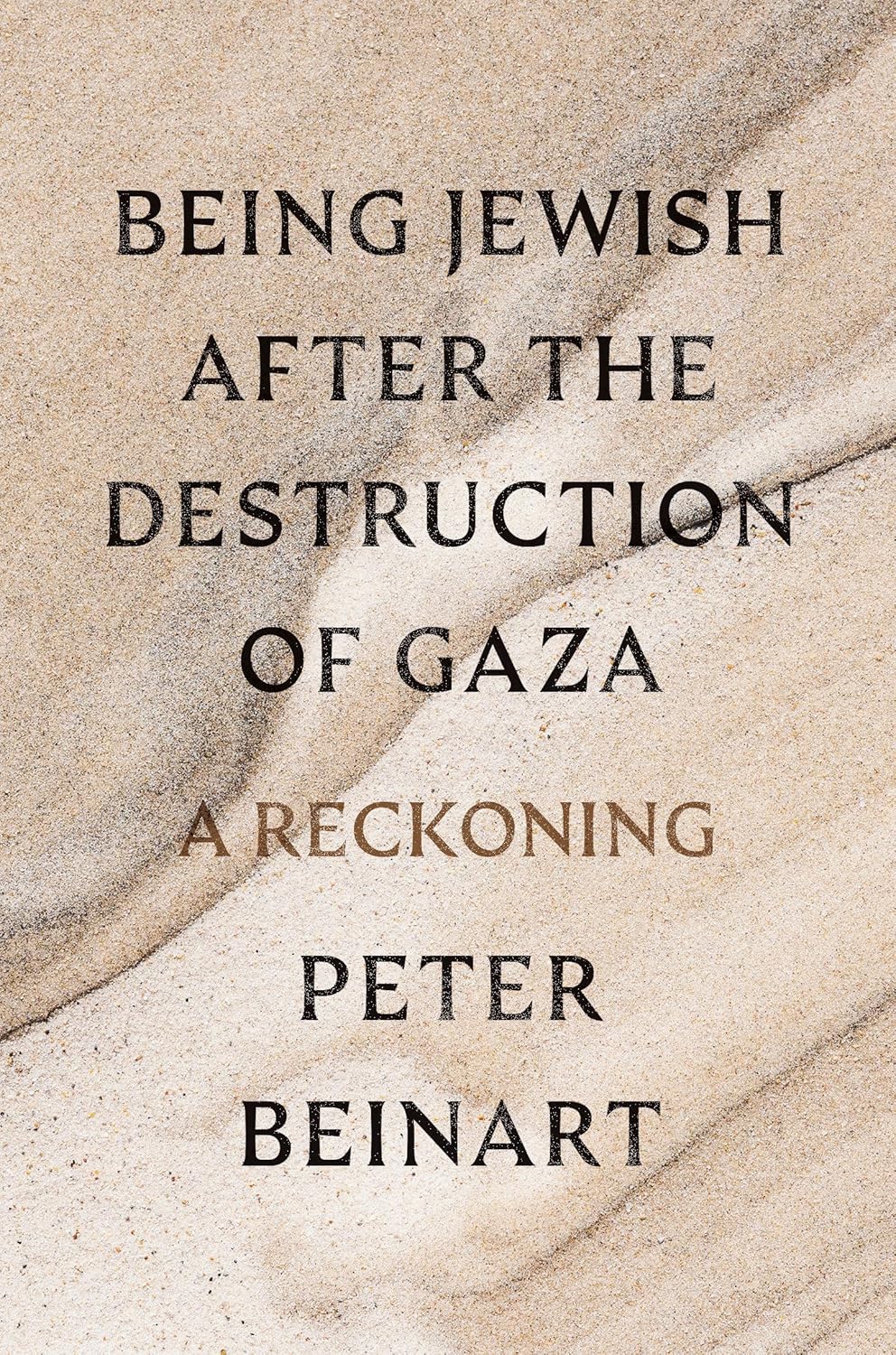
About this book
In the wake of unimaginable devastation, what does it mean to be Jewish?
In Being Jewish After the Destruction of Gaza, acclaimed political commentator Peter Beinart delivers a bold and urgent call for change. He argues that the dominant narrative of Jewish life, one rooted in persecution and victimhood, has been weaponized to justify injustice and has distorted our understanding of Israel and Palestine.
Beinart envisions a new path forward, one that demands a moral reckoning and offers a profound reimagining of Jewish identity. He challenges readers to embrace a narrative where equality triumphs over supremacy, where Jewish and Palestinian safety are intertwined, and where human life is valued above all else.
Drawing upon history, personal experience, and a deep understanding of political and moral complexities, Beinart offers a passionate and provocative vision for a future where Jewish identity is a force for justice and peace. This is a book that will ignite conversation, challenge assumptions, and inspire hope in a world desperately in need of both.
Summary of Key Ideas
- •
A Moral Reckoning with Israel
The book calls for a moral reckoning within the Jewish community regarding its relationship with Israel, particularly in the aftermath of the destruction in Gaza. It challenges the traditional narratives that have often been used to justify Israeli policies and actions, urging Jews to confront the ethical implications of their support for a state that privileges Jews over Palestinians. This involves re-examining Jewish texts, history, and language to dismantle justifications for violence and inequality and construct a new ethical framework.
- •
From Supremacy to Equality
Beinart advocates for a shift from prioritizing Jewish supremacy to embracing equality for all people living in Israel and Palestine. This idea challenges the current political structures that grant preferential treatment and rights to Jewish citizens while marginalizing Palestinians. The book envisions a future where both Jewish and Palestinian safety and well-being are intertwined and considered mutually dependent, rather than mutually exclusive.
- •
Reimagining Jewish Identity
The book proposes a new narrative for Jewish identity, one that moves beyond the traditional focus on victimhood and survival. Beinart suggests Jews should see themselves as complete human beings capable of both good and bad, and fully responsible for their political choices. This involves recognizing the power and privilege that Jews hold, particularly in the context of Israel, and using that power to promote justice and equality.
- •
Deconstructing Justifications for Violence
Beinart examines how Jewish texts, history, and language have been used to justify violence and oppression, particularly against Palestinians. He argues that a selective reading of these sources has created a narrative that supports the dispossession and marginalization of Palestinians. The book calls for a critical re-evaluation of these sources to uncover alternative interpretations that promote justice, compassion, and equality.
- •
Exploring Alternative Solutions
The book explores potential solutions to the Israeli-Palestinian conflict, including the possibility of a single state with equal rights for all citizens. This challenges the long-held belief that a two-state solution is the only viable path to peace. Beinart encourages readers to consider alternative models that prioritize equality, justice, and mutual respect, even if they deviate from established political norms.
- •
Challenging Communal Structures
Beinart addresses the structural forces within the Jewish community that reinforce support for the State of Israel, often silencing dissent and discouraging critical engagement with Israeli policies. He argues that these structures must be challenged to foster a more open and honest conversation about Israel and Palestine. This involves creating space for diverse perspectives and encouraging critical thinking within Jewish institutions.
Chapter Recap

About The Author
Peter Beinart
Liberal zionist.
Main Quotes
"This selective vision pervades contemporary Jewish life. Consider the way establishment American Jews talk about Jewish victimhood and Jewish power."
"When Jews face discrimination, we rightly protest. But when Israel wields power in ways that dispossess and kill Palestinians, many of us avert our gaze."
"Zionism, as it exists today, requires injustice."
"For many American Jews, opposing occupation means betraying their people."
"It means seeing Palestinians not merely as victims but also as moral beings: people capable of both good and evil."
"American Jews overwhelmingly want a secure and democratic Israel. But they are unwilling to prioritize democracy when it clashes with security."
"What happens when the country to which many American Jews feel profoundly connected behaves in ways that violate their own moral sensibilities?"
"What does it mean to be part of a people, and a religious tradition, that is simultaneously an inspiration and a disappointment?"
"And now this people believes only in itself."
"The alternative is a Jewish identity that derives its meaning not from power but from the obligation to resist it when it oppresses others."
Who Should Read This Book
Progressive Jewish individuals grappling with their identity and relationship to Israel
Individuals interested in the Israeli-Palestinian conflict and its impact on Jewish identity
Those engaged in conversations about justice, power, and injustice related to Israel and Palestine
Readers of Peter Beinart's previous works and those familiar with his perspectives on Jewish issues
People seeking to understand the complexities of Jewish identity in the aftermath of the Gaza conflict
Individuals involved in Jewish communal life and seeking to navigate difficult conversations about Israel
Those interested in the future of Judaism and its relationship to political and social issues
Book Summaries Like
Being Jewish After the Destruction of Gaza

FAQ

Free Access to LitNotes