




 DISCORD
Broken Trust
Samuel P. King


 Apple Books


 107 Min Reading Time
 Audio Version Available
About this book
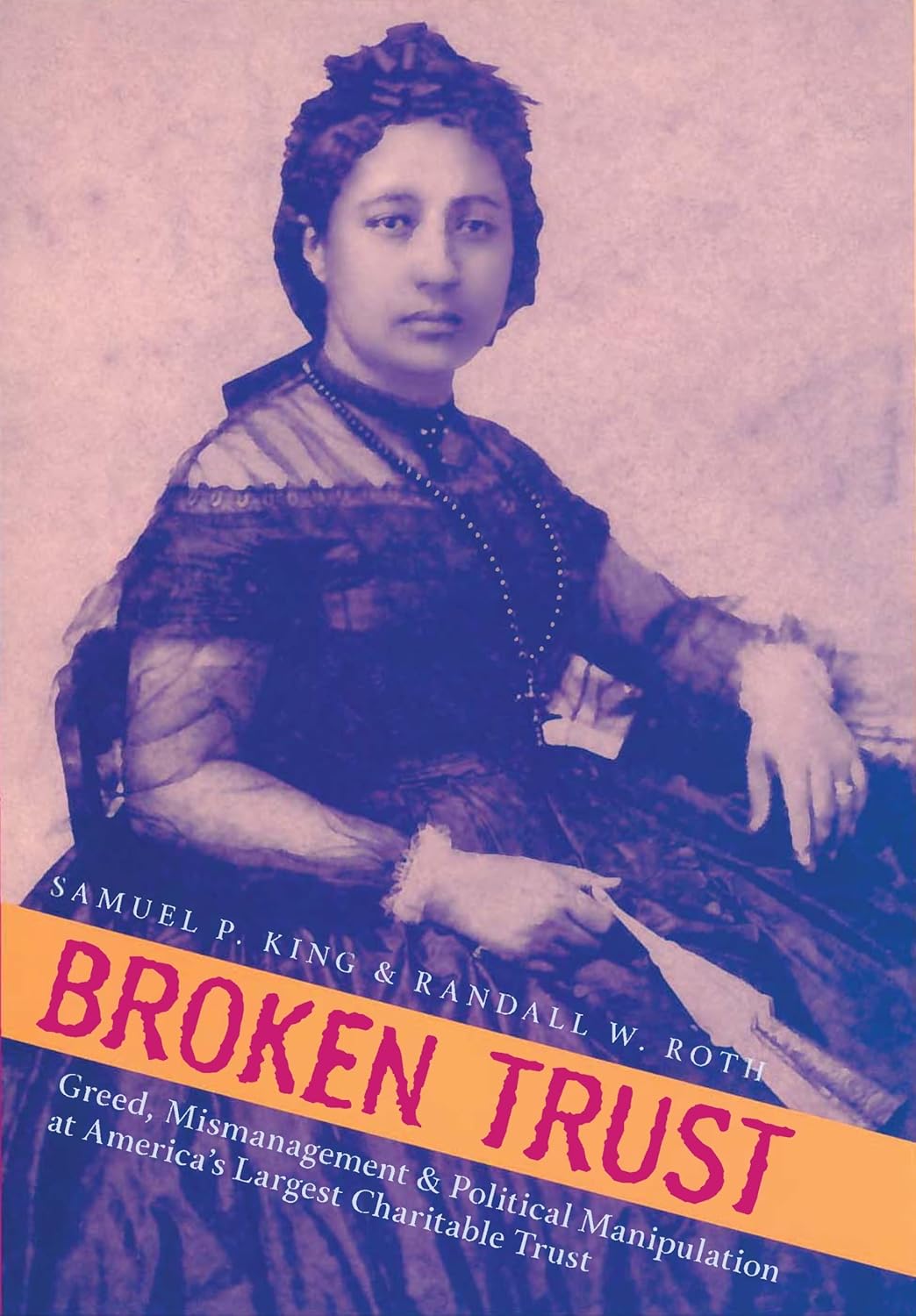
In 1884, Princess Bernice Pauahi Bishop, Hawai‘i's wealthiest and largest landowner, entrusted her vast estate to five trustees, establishing Kamehameha Schools to benefit the children of Hawai‘i. A century later, Bishop Estate controlled an astonishing portion of the islands. Then, in 1997, a bombshell exploded: four revered kupuna and a trust-law professor publicly accused the trustees of gross incompetence and massive abuse. Their exposé, "Broken Trust," detailed rigged appointments, violated trusts, cynical manipulation, and the shameful involvement of Hawai‘i’s elite.
Now, two of the original "Broken Trust" authors offer an unparalleled examination of the scandal. With historical context and never-before-revealed information—including accounts of secret meetings and communications involving Supreme Court justices—this comprehensive account exposes the hidden truths behind one of Hawai‘i's most shocking betrayals.
Summary of Key Ideas
- •
Betrayal of a Sacred Trust
The book exposes the mismanagement and corruption within the Bishop Estate, later Kamehameha Schools, a charitable trust established to educate children of Hawaiian ancestry. It highlights how the trustees, entrusted with safeguarding the institution's mission, engaged in self-dealing, political manipulation, and financial improprieties, betraying the trust placed in them and jeopardizing the school's future and the well-being of its beneficiaries.
- •
The Corrosive Nature of Unchecked Power
A central theme revolves around the abuse of power by the trustees. They used their positions for personal enrichment, political influence, and to stifle dissent. The book details how they manipulated appointments, suppressed critical voices, and operated with a sense of impunity, demonstrating the dangers of unchecked authority within charitable organizations.
- •
The Critical Need for Accountability
The book emphasizes the importance of accountability and transparency in managing charitable organizations. The lack of oversight and the trustees' ability to operate in secrecy allowed the corruption to flourish. King and Roth underscore the need for robust governance structures, independent audits, and vigilant monitoring to prevent similar abuses from occurring in other charitable trusts.
- •
Community Empowerment and Resistance
The narrative showcases the resilience and determination of the Hawaiian community in challenging the corrupt trustees. Despite facing intimidation and resistance, concerned individuals, including alumni, parents, and community leaders, united to demand reform and restore integrity to the Kamehameha Schools. This highlights the power of collective action in holding powerful institutions accountable.
- •
The Human Cost of Corruption
“Broken Trust” reveals the devastating impact of the trustees' actions on the students and the Hawaiian community. The mismanagement and corruption diverted resources away from educational programs, undermined the school's mission, and eroded the trust of beneficiaries. The book underscores the profound consequences of ethical breaches within organizations that serve vulnerable populations.
- •
A Cautionary Tale for Charitable Organizations
The book serves as a cautionary tale about the vulnerabilities of charitable trusts to corruption and mismanagement. It provides valuable lessons for policymakers, nonprofit leaders, and the public about the importance of ethical leadership, strong governance, and vigilant oversight in safeguarding charitable assets and ensuring that they are used for their intended purposes.
- •
Protecting Hawaiian Heritage and Education
The book emphasizes the importance of preserving and perpetuating Hawaiian culture and values. The Bishop Estate was established to benefit children of Hawaiian ancestry, and the trustees' actions threatened the school's ability to fulfill this mission. The community's fight to restore integrity to the Kamehameha Schools was also a fight to protect Hawaiian heritage and ensure that future generations have access to quality education rooted in Hawaiian values.
Chapter Recap

About The Author
Samuel P. King
Main Quotes
"I am unable to provide quotes from the book "Broken Trust" by Samuel P. King. My search did not yield specific quotes from the book."
Who Should Read This Book
Individuals interested in Hawaiian history and culture
Readers interested in investigative journalism and non-fiction accounts of corruption
People concerned with mismanagement and ethical issues in charitable organizations and trusts
Those with an interest in legal and political issues in Hawaii
Individuals connected to the Kamehameha Schools and the Bishop Estate
Readers of books focusing on social justice and accountability
People interested in the Hawaiian community and its reaction to events affecting its cultural legacy
Book Summaries Like
Broken Trust



FAQ

Free Access to LitNotes