




 DISCORD
Brown Girl Dreaming
Jacqueline Woodson


 National Book Awards
 Barnes & Noble Bestsellers


 23 Min Reading Time
 Audio Version Available
About this book
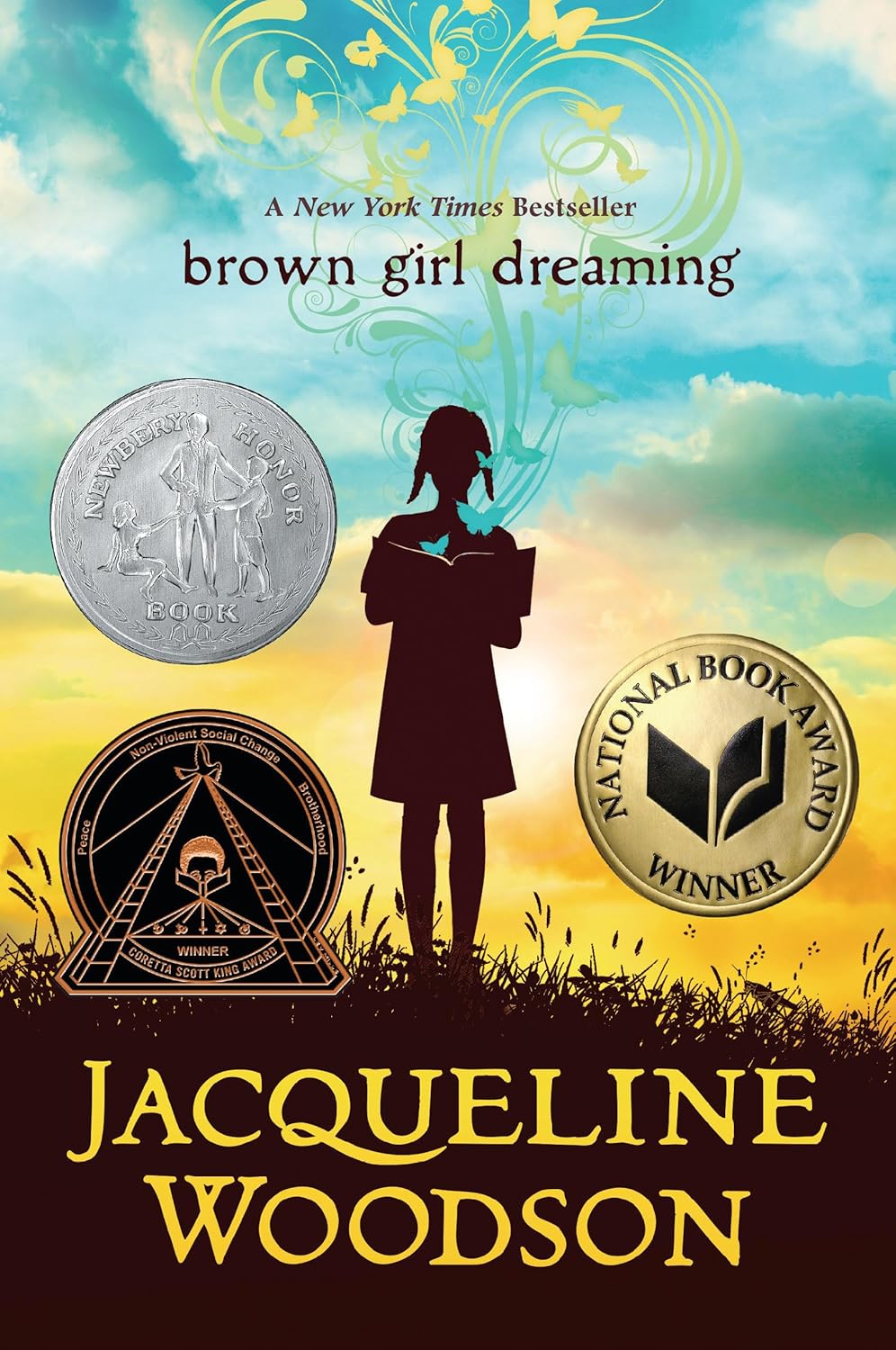
In mesmerizing verse, Jacqueline Woodson, acclaimed author of Red at the Bone, weaves the vibrant tapestry of her childhood in Brown Girl Dreaming. Growing up between South Carolina and New York, she always felt a sense of being in-between, never fully at home in either place. Through accessible and emotionally charged poems, Woodson invites readers into the heart of her experience as an African American girl in the 1960s and 70s. Witness the remnants of Jim Crow, the burgeoning Civil Rights movement, and a young soul searching for her place in a world on the cusp of change. More than a memoir, this National Book Award winner is a poignant exploration of identity, family, and the transformative power of finding one's voice through the magic of storytelling. Despite early struggles with reading, Woodson's love for stories ignited the first sparks of the gifted writer she was destined to become, proving that even dreams can take root and flourish in the most unexpected places.
Summary of Key Ideas
- •
Memory as Identity
The Power of Memory: "Brown Girl Dreaming" is deeply rooted in Woodson's exploration of memory and how it shapes identity. The memoir, written in verse, pieces together fragmented recollections of her childhood, highlighting the selective and subjective nature of memory. Woodson uses sensory details and vivid imagery to transport the reader into her past, emphasizing how certain moments become etched in our minds, influencing our understanding of self and the world. These memories, both joyful and painful, collectively construct a narrative of personal history, demonstrating the lasting impact of the past on the present.
- •
North vs. South
Navigating Two Worlds: The book explores the contrasting environments of the South (South Carolina) and the North (New York). Jacqueline experiences different cultural norms, racial tensions, and family dynamics in each location. In the South, she grapples with the legacy of segregation and the warmth of a close-knit community. Moving to the North exposes her to new opportunities and challenges, including navigating a different social landscape and understanding her place within it. This geographical dichotomy shapes her understanding of race, identity, and belonging.
- •
The Writer's Journey
Finding Voice Through Writing: A central theme is Jacqueline's journey to discover her passion for writing. Initially struggling with reading, she finds solace and self-expression through crafting stories. Writing becomes her way of making sense of the world, processing her experiences, and articulating her unique perspective. The poems themselves showcase her evolving voice as a writer, demonstrating the transformative power of language and storytelling in shaping identity and overcoming challenges. Her development as a writer intertwines with her personal growth, highlighting the importance of finding one's voice.
- •
The Importance of Kin
The Significance of Family: Family is a cornerstone of Jacqueline's world, providing a sense of belonging, support, and cultural heritage. Her relationships with her mother, grandmother, siblings, and extended family members profoundly influence her identity and worldview. The book delves into the complexities of family dynamics, including moments of love, conflict, and resilience. Through these relationships, Jacqueline learns about her history, values, and the importance of connection. Family serves as a source of strength and a foundation upon which she builds her sense of self.
- •
Race and Social Justice
Race, Identity, and the Civil Rights Era: The memoir unfolds against the backdrop of the Civil Rights Movement, exploring the realities of racial segregation and discrimination in the 1960s and 70s. Jacqueline witnesses firsthand the impact of racism on her family and community, shaping her understanding of social justice and equality. The book examines how race intersects with other aspects of identity, such as gender and class, to create a complex and nuanced portrait of African American life during this pivotal period. It highlights the importance of activism, resistance, and the ongoing struggle for civil rights.
- •
Faith and Questioning
Religion and Spirituality: Jacqueline's upbringing involves a strong religious influence, particularly through her grandmother's devout faith. The book explores the role of religion in shaping her moral compass, providing comfort, and fostering a sense of community. However, it also examines Jacqueline's evolving relationship with religion as she begins to question certain beliefs and develop her own spiritual understanding. The theme highlights the complexities of faith and the individual's search for meaning and purpose.
- •
An Observer's Eye
The Power of Observation: Jacqueline is portrayed as a keen observer of the world around her, absorbing details and nuances that others might miss. Her sharp observations inform her writing and allow her to capture the essence of her experiences with remarkable clarity. This attentiveness to detail extends to her understanding of people, places, and social dynamics, contributing to her insightful and empathetic perspective. The book emphasizes the importance of paying attention to the world and using observation as a tool for learning and understanding.
Chapter Recap

About The Author
Jacqueline Woodson
Main Quotes
"I am born on a Tuesday at University Hospital Columbus, Ohio, USA– a country caught between Black and White."
"There is winter in Ohio."
"Already people are asking What are you?"
"Each day going into the world requires new courage."
"I don't know if these hands will become Malcolm's— raised and clenched in anger, or Martin's— open and asking Or James's— curled around a pen."
"We are not thieves or shameful or something to be hidden away."
"This is the beginning of my own small story."
"What I remember is the sky."
"The empty swing set reminds us of this-- that bad won't be bad forever, and what is good can sometimes last a long, long time."
"I am born in Ohio but the stories of South Carolina already run like rivers through my veins."
Who Should Read This Book
Middle grade readers (ages 10-14)
Educators looking for literature to teach poetry, memoir, or historical context
Readers interested in African American history and culture
Readers who enjoy verse novels
Adults interested in memoirs and coming-of-age stories
Families looking for books to read together that promote empathy and understanding
Individuals seeking books that explore themes of identity, family, and belonging
Readers interested in social justice and equality
Book Summaries Like
Brown Girl Dreaming

FAQ

Free Access to LitNotes