




 DISCORD
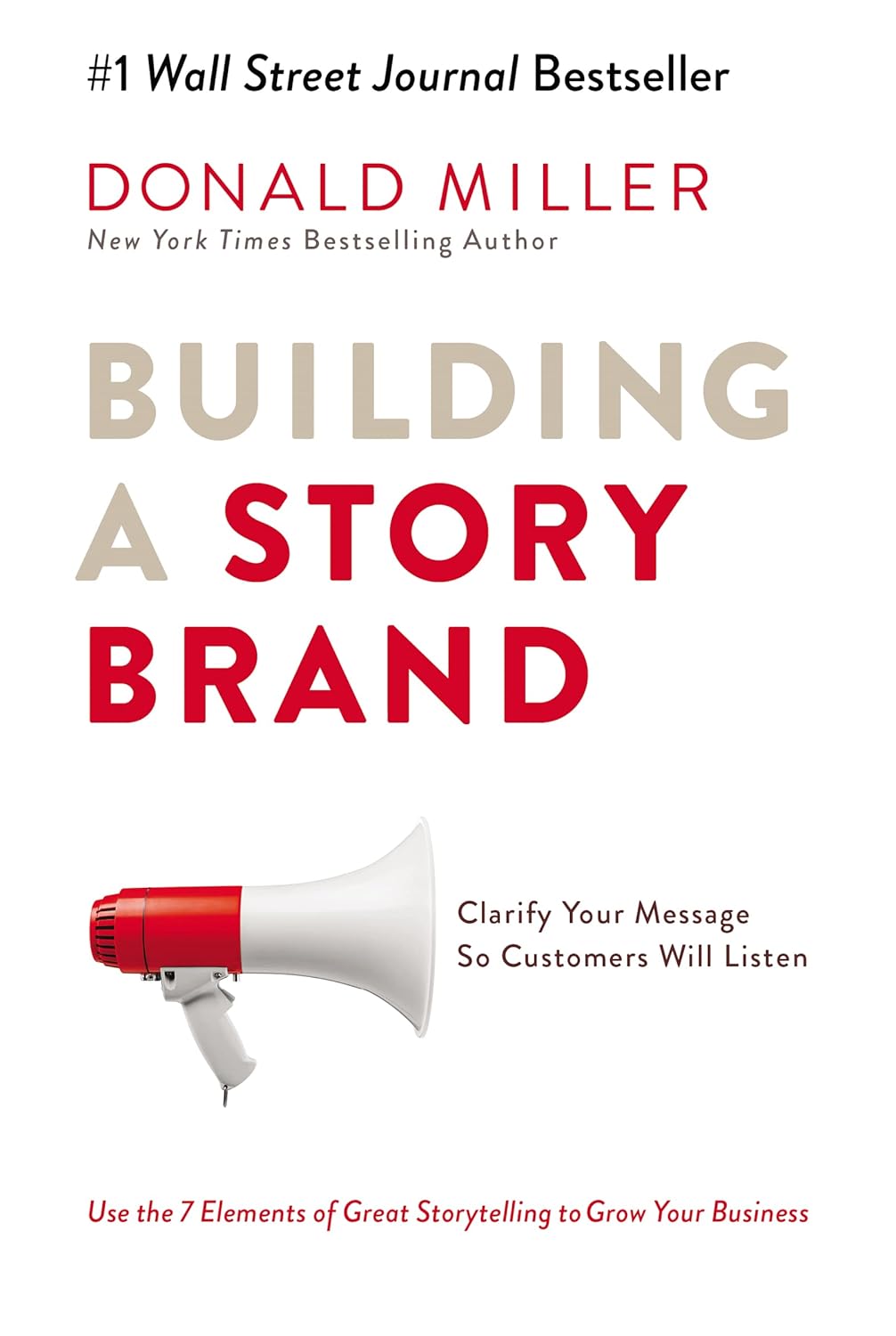
Building a Storybrand
Donald Miller


 Apple Books


 31 Min Reading Time
 Audio Version Available
About this book
Tired of your marketing message getting lost in the noise? In Building a StoryBrand, New York Times bestselling author Donald Miller reveals the secret to cutting through the distractions and connecting with your customers. Discover the power of story and transform the way you talk about your brand.
Miller's proven StoryBrand framework teaches you the seven universal elements of compelling stories, showing you how to simplify your message so customers understand the value you offer. Learn why customers buy, and how to create effective messaging for your website, brochures, and social media.
Whether you're a marketing director, small business owner, or anyone looking to clarify their brand, Building a StoryBrand will revolutionize your approach, helping you engage customers, drive sales, and achieve unprecedented growth.
Summary of Key Ideas
- •
Customer as the Hero
The StoryBrand Framework centers around positioning the customer, not the brand, as the hero of the story. Many businesses mistakenly portray themselves as the hero, which can alienate potential customers. By understanding that customers are actively seeking solutions to their problems, businesses should instead present themselves as guides who can provide the tools and plans necessary for customers to overcome their challenges and achieve their desired outcomes. This shift in perspective is critical for effective communication and building lasting relationships.
- •
Recognizing the Customer's Problem
Customers are driven by a problem they need to solve, whether it's internal frustration, external challenges, or philosophical desires. StoryBrand emphasizes identifying the core problem your target audience faces. By clearly articulating this problem, you demonstrate empathy and understanding, which resonates with potential customers. Your brand should then position itself as the solution to that specific problem, offering a clear path to resolution and a better future. Recognizing and addressing these underlying needs is essential for attracting and retaining customers.
- •
Brand as the Trusted Guide
A brand must position itself as the guide, not the hero, offering expertise and empathy. The guide demonstrates competence, assuring the hero (customer) that they are capable of solving the problem. They also display empathy, showing they understand the hero's frustrations and desires. This dual approach builds trust and confidence, making the customer more receptive to the guide's advice and solutions. A guide provides a clear plan and tools, empowering the hero to succeed.
- •
Providing a Clear Plan of Action
To effectively guide the customer, a brand must provide a clear and actionable plan. This plan simplifies the decision-making process for the customer, eliminating confusion and uncertainty. It outlines the specific steps a customer needs to take to engage with the brand and solve their problem. A well-defined plan not only attracts customers but also increases the likelihood of them making a purchase and becoming loyal advocates for the brand. This might include a direct sales pitch, a free valuable resource, or some other lead-generating step.
- •
The Power of a Clear Call to Action
Every compelling story includes a call to action, and marketing is no different. A call to action prompts the customer to take the next step in their journey, whether it's making a purchase, signing up for a newsletter, or scheduling a consultation. Calls to action should be clear, concise, and easy to follow, removing any friction that might prevent the customer from taking the desired action. Effective calls to action drive engagement and ultimately lead to conversions, helping the customer achieve their goals with the brand's guidance.
- •
Highlighting Success and Failure
Stories inherently involve stakes. A successful brand message communicates what is at stake if the customer does or does not use your product or service. By highlighting the positive outcomes of engaging with your brand and the negative consequences of inaction, you create a sense of urgency and motivation. This helps customers understand the value proposition and the potential impact on their lives or businesses. Clarifying both positive and negative stakes is crucial for driving decisions and creating a compelling narrative.
- •
The Importance of a Simple Message
The StoryBrand framework emphasizes the importance of simplifying your brand's message. Customers are overwhelmed with information, so clarity is essential for cutting through the noise. A clear and concise message communicates the core value proposition in a way that is easy to understand and remember. By avoiding jargon and focusing on the essential elements of your brand story, you increase the likelihood of capturing your audience's attention and driving engagement. Clarity creates customer confidence.
Chapter Recap

About The Author
Donald Miller
Main Quotes
"The customer is the hero of the story, not your brand."
"People don't buy the best products; they buy the products they can understand the fastest."
"If you confuse, you'll lose."
"Customers don't generally care about your story; they care about their own."
"The secret to clarity is simple: reduce the number of things people have to process."
"A story is a device that transfers information in such a way that the audience feels compelled to pay attention."
"Great brands don't just sell products; they offer solutions to external, internal, and philosophical problems."
"The more you talk about the problems your customers experience, the more likely they are to believe you understand them."
"Marketing is a battle for people's minds."
"In every line of copy we write, we're either serving the customer's story or descending into confusion; we're either making music or making noise."
Who Should Read This Book
Small business owners
Marketing professionals
Entrepreneurs
Business leaders
Sales professionals
Nonprofit organizations seeking to clarify their message
Anyone seeking to improve their brand messaging
Content creators
Startups
Authors seeking to market their books
Book Summaries Like
Building a Storybrand



FAQ

Free Access to LitNotes