




 DISCORD
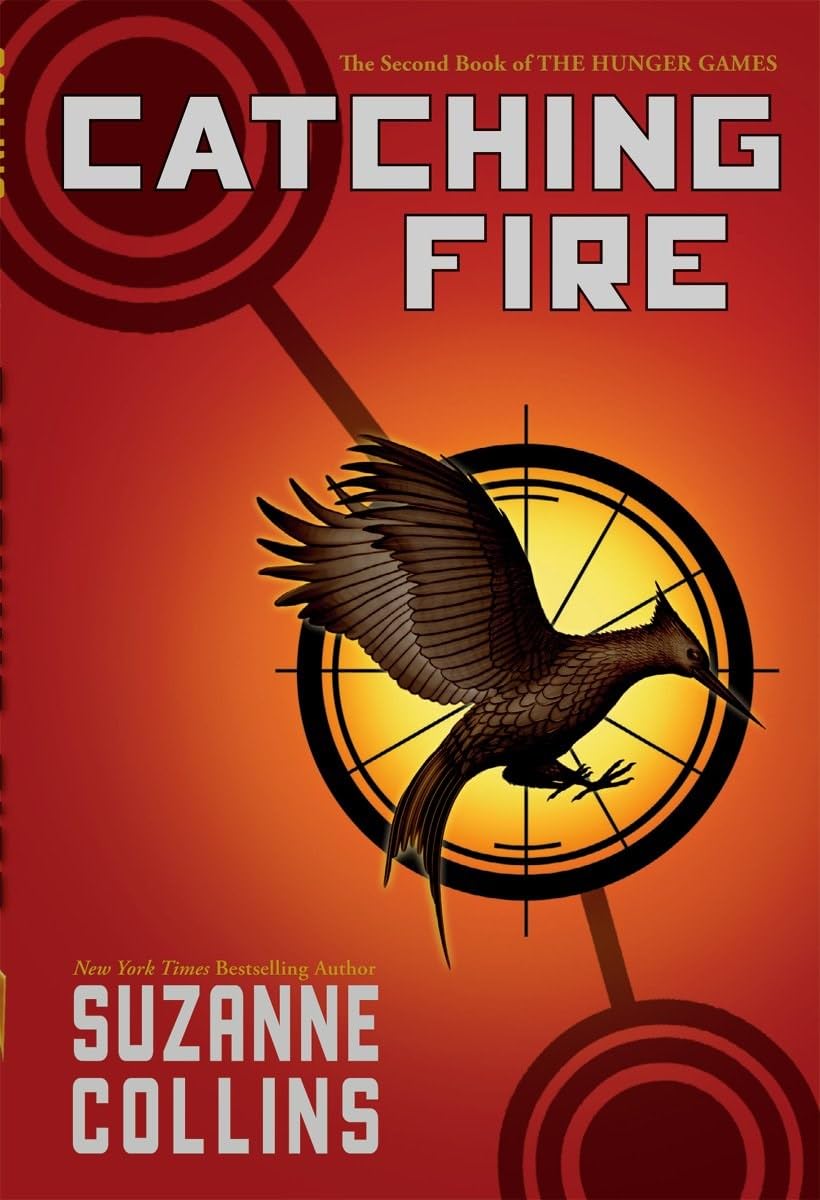
Catching Fire (Hunger Games, Book Two)
Suzanne Collins

 Amazon Best Sellers
 Barnes & Noble Bestsellers


 86 Min Reading Time
 Audio Version Available
About this book
The unlikely victor of the Hunger Games, Katniss Everdeen, returns home to District 12, but her triumph comes at a treacherous cost. She and Peeta Mellark may have survived, but their act of defiance has ignited a spark of rebellion, and the Capitol seeks to extinguish it.
As whispers of unrest spread through the districts, President Snow makes it clear: Katniss and Peeta must convince the masses that their love is genuine, or face dire consequences. But how can she quell a flame she secretly hopes will burn?
Thrust back into the arena for a Quarter Quell designed to break her spirit, Katniss must forge new alliances and confront impossible choices. This time, it's not just about survival, but about igniting a revolution that could change Panem forever.
Summary of Key Ideas
- •
The Victory Tour: A Spark of Rebellion
The Victory Tour becomes a stark reminder of the Capitol's power and the districts' suffering. As Katniss and Peeta visit each district, they witness firsthand the simmering rebellion and the consequences of defying the Capitol. This tour is not a celebration but a carefully orchestrated display of control, designed to remind the districts of their place and discourage further dissent. Katniss's actions, even small gestures of compassion, are interpreted as acts of defiance, further fueling the Capitol's suspicion and leading to increased surveillance and repression. The tour serves as a catalyst, pushing Katniss further into the role of a symbol of rebellion, despite her personal reluctance.
- •
The Forced Romance: Manipulation and Control
President Snow manipulates Katniss into maintaining the illusion of her love for Peeta to quell the unrest in the districts. This manipulation highlights the power of appearances and the Capitol's willingness to exploit personal relationships for political gain. Katniss's forced performance underscores the loss of her autonomy and the constant pressure she faces to conform to the Capitol's expectations. The 'star-crossed lovers' narrative becomes a tool of control, demonstrating how easily the truth can be twisted and manipulated to serve a political agenda. This emphasizes the theme of the duplicity and power of appearances.
- •
The Quarter Quell: Escalation of Cruelty
The Quarter Quell twist, announcing that the tributes for the 75th Hunger Games will be chosen from the existing pool of victors, is a shocking escalation of the Capitol's cruelty. This act demonstrates President Snow's determination to eliminate Katniss as a symbol of rebellion and reassert the Capitol's dominance. The Quarter Quell shatters any illusion of safety that Katniss and Peeta might have had after surviving the 74th Hunger Games, throwing them back into the arena and forcing them to confront the horrors of the Games once more. This twist underscores the themes of survival and sacrifice.
- •
Alliances in the Arena: The Power of Interdependence
Inside the arena, Katniss forms alliances with other tributes, including Finnick Odair and Johanna Mason, highlighting the theme of interdependence. These alliances are born out of necessity, as the tributes recognize that their only chance of survival lies in working together against the Capitol's machinations. The arena becomes a microcosm of the larger rebellion, with tributes from different districts uniting against a common enemy. These connections reveal the power of empathy and solidarity in the face of oppression and demonstrate the importance of trust and cooperation in overcoming seemingly insurmountable obstacles.
- •
The Engineered Arena: A Deadly Clockwork
The arena itself is designed to be more than just a battleground; it's a meticulously crafted environment with deadly surprises and psychological challenges. The clock-like design, with its sections triggering at specific times, introduces an element of unpredictability and constant threat. The arena becomes a character in its own right, symbolizing the Capitol's power to control and manipulate the environment to suit its cruel purposes. The tributes must not only fight each other but also contend with the arena's traps and dangers, highlighting the theme of survival against overwhelming odds.
- •
Destroying the Arena: An Act of Defiance
Katniss's act of destroying the arena at the end of the Quarter Quell is a pivotal moment of defiance. By shooting an arrow at the force field, she inadvertently triggers a chain of events that leads to the destruction of the arena and the planned escape of several tributes by the rebellion. This act solidifies her role as the Mockingjay, a symbol of hope and rebellion against the Capitol's oppression. While Katniss doesn't fully understand the scope of her actions, her bravery inspires others and sets the stage for the larger rebellion in the subsequent books.
- •
The Rebellion Unveiled: Hope and Resistance
The reveal that a rebellion is already underway, with a plan to rescue Katniss and other tributes, marks a turning point in the series. This suggests that Katniss's actions in the arena have not been in vain and that her defiance has inspired a broader movement against the Capitol. The planned extraction reveals a network of resistance fighters willing to risk their lives to challenge the Capitol's authority. This emphasizes the theme of resistance and the growing momentum of the rebellion, setting the stage for the larger conflict to come.
- •
The Fall of District 12: The Cost of Rebellion
The destruction of District 12, Katniss's home, underscores the Capitol's ruthlessness and the high cost of rebellion. This act of vengeance demonstrates the Capitol's willingness to inflict extreme punishment on those who defy its authority. The destruction of District 12 serves as a stark reminder of the stakes involved in the rebellion and the sacrifices that will be necessary to overthrow the Capitol. This loss fuels Katniss's determination to fight for a better future and avenge the lives of those who were lost.
Chapter Recap

About The Author
Suzanne Collins
Main Quotes
""It must be a very fragile peace if it can be broken by a kiss.""
"“Remember, we're madly in love, so it's all right to kiss me anytime you feel like it.”"
"“I volunteer!” The sound of my voice stops him as effectively as if I had thrown a knife at him."
""You have provided a spark that, left unattended, may grow to an inferno that destroys Panem.""
"“At some point, you have to stop running and turn around and face whoever wants you dead. The hard thing is finding the courage to do it.”"
""I'm not going to be some puppet in their Games.""
"“Only I keep wishing I could think of a way to... to show the Capitol they don't own me. That I'm more than just a piece in their Games.”"
""Peeta Mellark and I grow back together. There are still moments when he clutches the back of a chair and hangs on until the flashbacks are over.""
""Fire is catching! And if we burn, you burn with us!""
""He means there's only one future, if I want to keep those I love alive and stay alive myself. I'll have to marry Peeta.""
Who Should Read This Book
Young adults and teenagers (ages 12+)
Fans of dystopian fiction
Readers interested in adventure, survival, and action stories
Individuals who enjoy strong female protagonists
Those who appreciate themes of rebellion, political commentary, and social injustice
Readers of the first "Hunger Games" book
People who enjoy books adapted into films
Book Summaries Like
Catching Fire (Hunger Games, Book Two)



FAQ

Free Access to LitNotes