




 DISCORD
Catechism of the Catholic Church
U.S. Catholic Church


 Apple Books


 143 Min Reading Time
 Audio Version Available
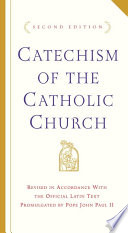
About this book
For the first time in over 400 years, discover the definitive guide to Catholic faith and doctrine with the Catechism of the Catholic Church. This essential resource, embraced by millions worldwide, presents a comprehensive summary of Catholic beliefs, drawing from Scripture, sacraments, tradition, and the wisdom of the saints. Explore the Creed, Sacraments, Commandments, and the Lord's Prayer, and embark on a transformative spiritual journey. A monumental achievement, this catechism serves as the standard for understanding the Church's teachings for generations to come.
Summary of Key Ideas
- •
The Four Pillars of Catholic Faith
The Catechism is structured around four pillars, providing a comprehensive overview of Catholic beliefs. These pillars are: The Profession of Faith (Apostles' Creed), which outlines what Catholics believe; The Celebration of the Christian Mystery (Sacraments), detailing how Catholics worship; Life in Christ (Morality), which teaches how Catholics should live; and Christian Prayer, explaining how Catholics should pray. This structure ensures a systematic presentation of Catholic doctrine and practice.
- •
Divine Revelation: Scripture and Tradition
The Catechism emphasizes the importance of God's revelation to humanity, both through Scripture and Tradition. It explains how God has communicated with humanity throughout history, culminating in the person of Jesus Christ. Understanding divine revelation is crucial for comprehending God's plan for salvation and our role in it. The Catechism details how the Bible and the Church's teachings work together to reveal God's truth.
- •
The Holy Trinity: One God, Three Persons
The Catechism provides a thorough explanation of the Trinity: Father, Son, and Holy Spirit – one God in three distinct persons. It details the unique roles of each person within the Trinity and how they relate to each other. Understanding the Trinity is fundamental to Christian belief, as it explains the nature of God and His relationship with the world. The Catechism explores the mystery of the Trinity, helping believers to deepen their understanding of this core doctrine.
- •
Jesus Christ: Savior and Redeemer
The Catechism emphasizes the central role of Jesus Christ as the Son of God, the Messiah, and the Savior of humanity. It details His life, death, and resurrection, explaining how He redeemed humanity from sin and opened the way to eternal life. Understanding Christ's saving work is essential for appreciating God's love and mercy. The Catechism explores the significance of Christ's sacrifice and His ongoing presence in the Church.
- •
The Seven Sacraments: Channels of Grace
The sacraments are presented as outward signs instituted by Christ to give grace. The Catechism details the seven sacraments: Baptism, Confirmation, Eucharist, Penance, Anointing of the Sick, Holy Orders, and Matrimony. It explains the purpose and significance of each sacrament, emphasizing their role in sanctifying believers and building up the Church. Understanding the sacraments is crucial for participating fully in the life of the Church and receiving God's grace.
- •
Living a Moral Life: The Commandments and Virtue
The Catechism provides moral guidance based on the Ten Commandments and the teachings of Jesus. It addresses a wide range of ethical issues, from personal morality to social justice, helping believers to live lives that are pleasing to God. Understanding Catholic morality is essential for making informed decisions and living a virtuous life. The Catechism emphasizes the importance of love, forgiveness, and compassion in all aspects of life.
- •
The Importance of Prayer
The Catechism underscores the importance of prayer as a vital means of communication with God. It explores different forms of prayer, including vocal prayer, meditation, and contemplation. The Catechism also explains the significance of the Lord's Prayer and its role in Christian life. Understanding prayer is essential for developing a personal relationship with God and growing in holiness. The Catechism encourages believers to make prayer a regular part of their daily lives.
- •
The Church: Body of Christ
The Catechism emphasizes the role of the Church as the Body of Christ and the community of believers. It explains the Church's mission to proclaim the Gospel and to sanctify the world. Understanding the Church's nature and mission is crucial for participating fully in its life and contributing to its work. The Catechism explores the hierarchical structure of the Church, the role of the Pope and bishops, and the importance of the laity.
- •
Sin, Forgiveness, and Reconciliation
The Catechism addresses the reality of sin and its consequences, while also emphasizing the importance of forgiveness and reconciliation. It explains the different types of sin (mortal and venial) and the means of obtaining forgiveness, particularly through the Sacrament of Penance (Confession). Understanding sin and forgiveness is essential for spiritual growth and healing. The Catechism encourages believers to examine their consciences regularly and to seek God's mercy.
- •
Eternal Life: Heaven, Hell, and Judgment
The Catechism teaches about the ultimate destiny of humanity: eternal life with God in heaven. It also addresses the realities of death, judgment, hell, and purgatory. Understanding the afterlife is essential for orienting our lives towards eternal values. The Catechism encourages believers to live in hope of eternal life and to strive for holiness in this world. It explains how our choices in this life affect our eternal destiny.
Chapter Recap

About The Author
U.S. Catholic Church
Main Quotes
"The desire for God is written in the human heart, because man is created by God and for God; and God never ceases to draw man to himself."
"Man is rational and therefore like God; he is created with free will and is master over his acts."
"Grace is favor, the free and undeserved help that God gives us to respond to his call to become children of God, adoptive sons, partakers of the divine nature and of eternal life."
"The Church is ultimately one, holy, catholic, and apostolic in her deepest and ultimate identity, because it is in her that the Kingdom of Heaven, the Reign of God, already exists and is at work."
"The moral life increases and develops through the help of grace."
"The first effect of charity is to will the Good of another."
"The prohibition of torture is based upon respect for the person and for human dignity."
"The seventh commandment enjoins respect for the integrity of creation."
"The truest freedom is the freedom to serve virtue and justice."
"The more one does what is good, the freer one becomes. There is no true freedom except in the service of what is good and just. The choice to disobey and do evil is an abuse of freedom and leads to "the slavery of sin.""
Who Should Read This Book
Catholic bishops and catechetical staff
Catholic clergy (priests, deacons)
Theologians and religious scholars
Catholic educators and teachers
Adults seeking a deeper understanding of Catholic doctrine
Individuals preparing for Catholic sacraments (Confirmation, RCIA)
Practicing Catholics seeking to reinforce their faith
Individuals interested in converting to Catholicism
Those seeking clarification on specific Catholic teachings
Individuals involved in interfaith dialogue
Book Summaries Like
Catechism of the Catholic Church
FAQ

Free Access to LitNotes