




 DISCORD
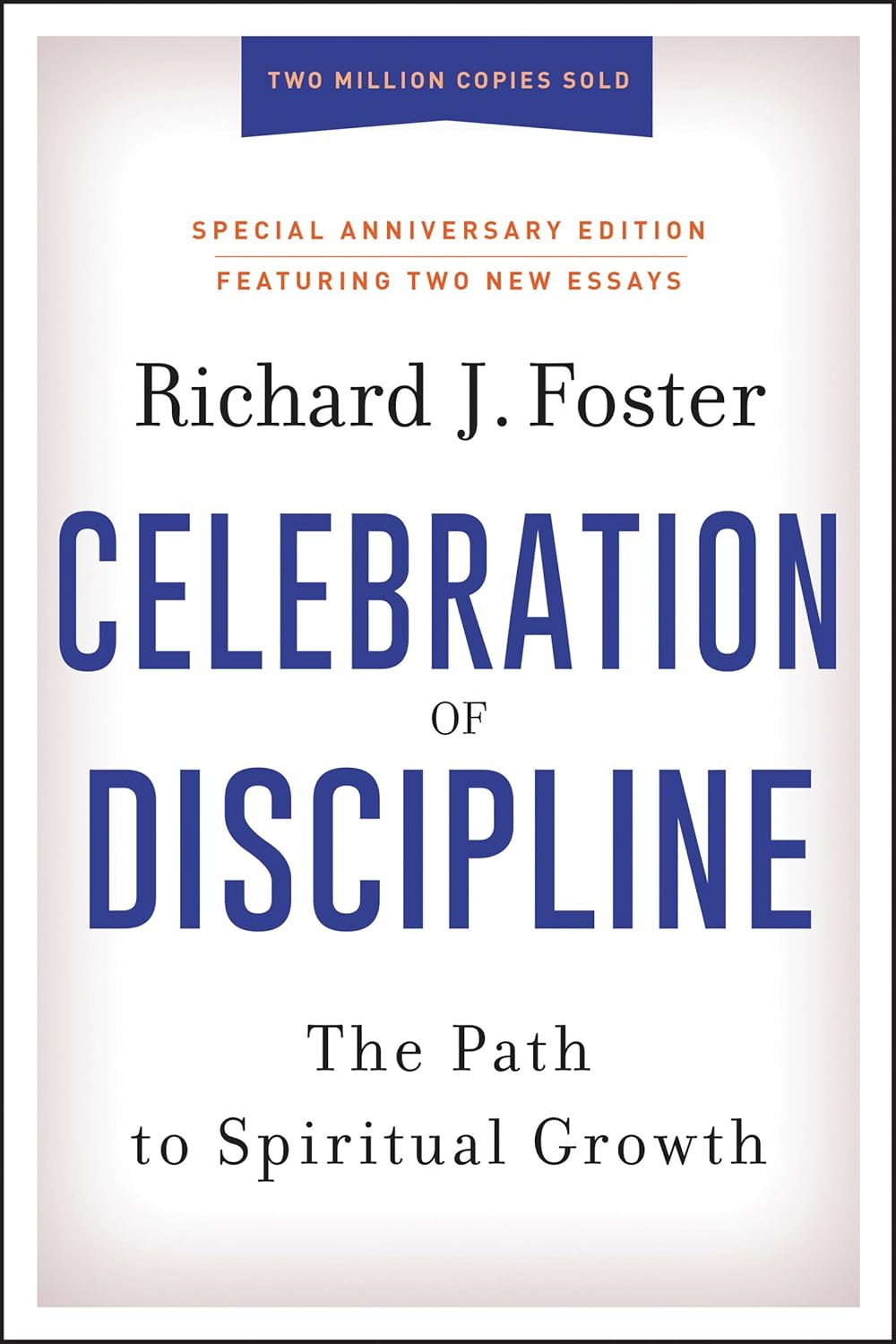
Celebration of Discipline
Richard J. Foster


 Apple Books


 46 Min Reading Time
 Audio Version Available
About this book
Discover a richer spiritual life filled with joy, peace, and a deeper understanding of God through Richard J. Foster's Celebration of Discipline. Hailed as a modern classic on Christian spirituality, this transformative guide explores the timeless "Disciplines"—essential spiritual practices—that unlock the path to genuine growth.
Foster divides these practices into three key areas: inward disciplines like meditation, prayer, and fasting, which foster personal transformation; outward disciplines such as simplicity and service, which equip you to impact the world; and corporate disciplines like worship and confession, which draw you closer to God and community.
Packed with practical insights and real-life examples, Celebration of Discipline reveals how to integrate these practices into your daily life, break free from superficial habits, and embrace God's abundance. Whether you're seeking a fresh approach to prayer or a deeper connection with the divine, this book will inspire you to embark on a profound journey of spiritual growth.
Summary of Key Ideas
- •
Spiritual Disciplines as Pathways to Freedom
Foster introduces the concept of spiritual disciplines as means of achieving spiritual freedom and growth. He argues that these disciplines are not legalistic rituals, but rather practices that open us to God's transforming power. By intentionally engaging in disciplines like prayer, fasting, and solitude, we create space for God to work in our lives, breaking free from the bondage of sin and cultivating a deeper relationship with Him. The disciplines are presented as a way to actively participate in our own spiritual formation, moving beyond passive faith to a dynamic and transformative experience of God's grace. Foster emphasizes that the goal is not perfection, but progress in our journey toward Christlikeness.
- •
The Three Categories of Disciplines: Inward, Outward, and Corporate
Foster categorizes the spiritual disciplines into three main groups: inward, outward, and corporate. Inward disciplines, such as meditation, prayer, fasting, and study, focus on cultivating our inner life and relationship with God. Outward disciplines, including simplicity, solitude, submission, and service, direct our attention and actions toward others. Corporate disciplines, such as confession, worship, guidance, and celebration, involve our engagement with the community of faith. This framework demonstrates that spiritual growth encompasses all aspects of our lives—our inner thoughts, outward actions, and relationships with others and with God. By engaging in practices from each category, we achieve a balanced and holistic approach to spiritual formation.
- •
Solitude: Finding God in the Silence
The discipline of solitude involves intentionally withdrawing from distractions and external stimuli to create space for reflection and communion with God. Foster emphasizes that solitude is not merely being alone, but rather a deliberate choice to disconnect from the noise of the world and connect with the still, small voice of God. It provides an opportunity to examine our thoughts, emotions, and motivations, allowing us to gain clarity and perspective. In solitude, we can confront our inner selves, confess our shortcomings, and receive God's guidance and comfort. It is a powerful practice for cultivating self-awareness, deepening our relationship with God, and gaining renewed strength and direction for our lives.
- •
Simplicity: Releasing the Grip of Materialism
Simplicity, as a spiritual discipline, involves releasing our attachment to material possessions and embracing a lifestyle of contentment and detachment. Foster challenges the cultural norms of consumerism and materialism, encouraging readers to examine their relationship with money and possessions. By simplifying our lives, we free ourselves from the burden of constantly acquiring more and create space for generosity and service to others. Simplicity is not about deprivation, but about aligning our priorities with God's values and experiencing the freedom that comes from releasing our grip on earthly possessions. It's a call to live intentionally, focusing on what truly matters and using our resources to make a positive impact on the world.
- •
Submission: Yielding to God and Others
The practice of submission involves willingly yielding our rights and desires to God and to others. Foster explains that submission is not about being passive or weak, but rather about recognizing God's authority and trusting in His wisdom. It requires humility, a willingness to put others' needs before our own, and a recognition that we are all part of a larger community. Submission can be challenging, especially when it conflicts with our own ambitions or desires, but it ultimately leads to greater peace and harmony in our relationships. By submitting to God and to one another, we create an environment of love, trust, and mutual respect, reflecting the character of Christ.
- •
Celebration: Embracing Joy and Gratitude
Celebration, as a spiritual discipline, is the joyful expression of gratitude and praise to God for His goodness and blessings. Foster emphasizes that celebration is not just an occasional event, but a way of life. It involves cultivating an attitude of thankfulness and recognizing God's presence in every aspect of our lives. Celebration can take many forms, including worship, feasting, singing, and acts of service. It is an essential antidote to the seriousness and striving that can creep into our spiritual lives, reminding us that God is a God of joy and that we are called to experience His abundant life. By embracing celebration, we open ourselves to deeper levels of intimacy with God and a greater appreciation for the gift of life.
Chapter Recap

About The Author
Richard J. Foster
Main Quotes
"The desperate need today is not for a greater number of intelligent people, or gifted people, but for deep people."
"Superficiality is the curse of our age."
"The classical Disciplines of the spiritual life call us to move beyond surface living into the depths. They invite us to explore the inner caverns of the spiritual realm."
"Discipline is not the same as asceticism. Asceticism is self-denial for its own sake; discipline is self-denial for the sake of something else."
"We must not confuse the command to love with the feeling of love."
"The purpose of the Disciplines is liberation from the tyranny of the self."
"Simplicity is freedom. It is not a spartan existence or material deprivation. It is a way of living that allows us to see created things in their true perspective."
"Solitude is more than the absence of people; it is the absence of ourselves."
"Fasting reveals the things that control us."
"Just as worship begins in holy expectancy, it ends in holy obedience. If worship does not propel us into greater obedience, it has not been worship."
Who Should Read This Book
Christians seeking spiritual growth
Individuals interested in exploring Christian spiritual disciplines
People looking for a deeper, more joyful inner life
Those wanting to cultivate a stronger relationship with God
Readers interested in classic spiritual practices
Individuals seeking personal transformation through spiritual disciplines
People with an interest in contemplative spirituality
Book Summaries Like
Celebration of Discipline



FAQ

Free Access to LitNotes