




 DISCORD
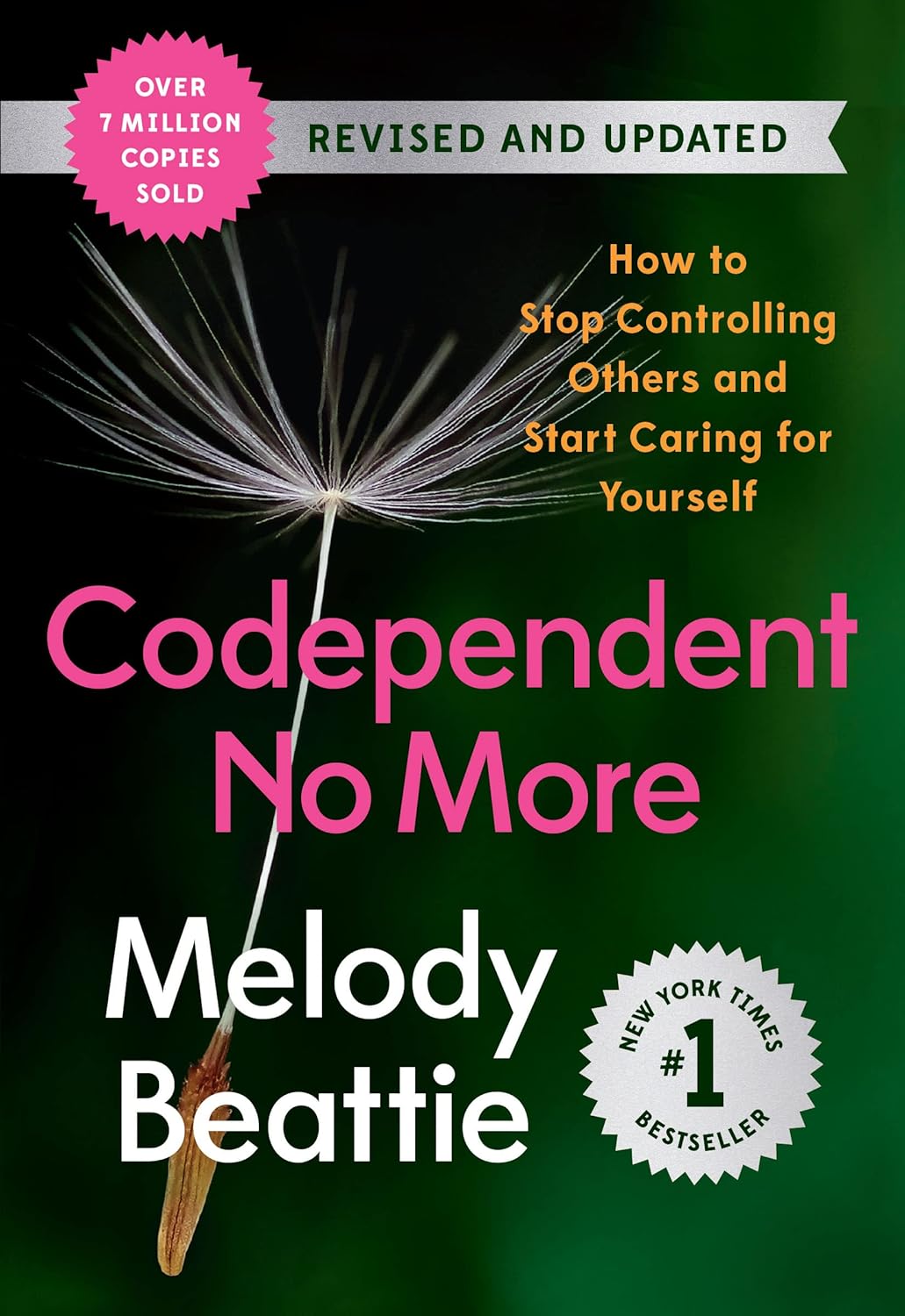
Codependent No More
Melody Beattie


 Apple Books


 69 Min Reading Time
 Audio Version Available
About this book
Are you consumed by someone else's problems?
In this modern classic, Codependent No More, Melody Beattie explores the complicated world of codependency—losing yourself in the act of helping another. Millions have found solace and direction through Beattie's insightful teachings, realizing they can only change themselves and that self-care is the true starting point for healing.
Through personal reflections, relatable stories, and practical exercises, Beattie provides a clear path to break destructive patterns, establish healthy boundaries, and discover hope, freedom, and happiness.
This revised and updated edition includes a new chapter addressing trauma and anxiety, making this essential guide even more relevant for today's readers. Join the millions who have found their path to recovery with Codependent No More.
Summary of Key Ideas
- •
Recognizing Codependency
Understanding Codependency: The book begins by defining codependency, helping readers recognize its patterns in their own lives. It clarifies that codependency isn't limited to relationships with addicts; it can manifest in any relationship where one person excessively relies on another for their self-worth and identity. Beattie emphasizes recognizing the behaviors, emotions, and thought patterns associated with codependency as the first step toward recovery. This involves acknowledging the tendency to prioritize others' needs above one's own, a fear of abandonment, and a need for control.
- •
Practicing Detachment
Detachment with Love: A core concept in the book is learning to detach from the problems and behaviors of others while maintaining a sense of compassion. Detachment doesn't mean abandoning the person or ceasing to care; rather, it involves releasing the need to control or fix them. Beattie explains that detaching allows codependents to regain their emotional and mental well-being, enabling them to focus on their own lives and recovery. This involves accepting that they cannot change others and that their happiness doesn't depend on others' actions.
- •
Establishing Boundaries
Setting Healthy Boundaries: Beattie stresses the importance of establishing and maintaining healthy boundaries in relationships. Codependents often struggle with boundaries, either having none or being unable to enforce them. The book provides guidance on identifying personal limits and communicating them effectively to others. This includes learning to say "no" without guilt, protecting one's time and energy, and refusing to accept responsibility for others' feelings or actions. Setting boundaries is portrayed as an act of self-respect and a necessary step toward healthier relationships.
- •
Embracing Self-Responsibility
Taking Responsibility for Yourself: A key message is that codependents need to shift their focus from controlling others to taking responsibility for their own lives, happiness, and well-being. This involves identifying their own needs, desires, and goals, and taking steps to fulfill them. Beattie encourages readers to pursue their own interests, develop their own identities, and cultivate a sense of self-worth independent of others' opinions or actions. This shift in focus empowers codependents to create a fulfilling life, regardless of the choices of those around them.
- •
Releasing the Need for Control
Breaking Free from Control: Codependency often involves a desire to control others' behaviors and outcomes. Beattie highlights the futility of this control and the damage it inflicts on relationships. The book encourages readers to relinquish their need to control and to trust that others are capable of managing their own lives. This involves accepting that others have the right to make their own choices, even if those choices are perceived as mistakes. Letting go of control allows codependents to release anxiety and to foster healthier, more authentic relationships.
- •
Accepting Imperfection
Embracing Imperfection: "Codependent No More" emphasizes the importance of accepting oneself and others as imperfect beings. Codependents often strive for perfection, both in themselves and in those they care about, leading to disappointment and frustration. Beattie encourages readers to embrace their flaws and to extend the same compassion to others. This involves letting go of unrealistic expectations and accepting that mistakes are a natural part of life. Embracing imperfection fosters self-acceptance, reduces stress, and promotes healthier relationships.
- •
Cultivating Spirituality
Finding Freedom Through Spirituality: Beattie suggests that connecting with a higher power or a sense of spirituality can be a source of strength and guidance in the recovery process. This doesn't necessarily involve organized religion; rather, it's about finding a source of faith and hope that can provide comfort and support. Spirituality can help codependents let go of their need to control, trust in a larger plan, and find meaning and purpose in their lives. This connection provides a sense of peace and allows them to surrender to the unknown.
- •
Staying Present
Living in the Present: The book encourages readers to focus on the present moment rather than dwelling on the past or worrying about the future. Codependents often get caught up in rehashing past events or anticipating future problems, which can lead to anxiety and overwhelm. Beattie emphasizes the importance of practicing mindfulness and appreciating the simple joys of the present moment. This involves letting go of regrets and fears, and focusing on what they can control in the here and now. Living in the present allows codependents to experience greater peace, gratitude, and fulfillment.
Chapter Recap

About The Author
Melody Beattie
Main Quotes
"Codependents are reactionaries. They overreact. They under-react. But rarely do they act."
"We are who we are when we're alone."
"The point is not to get rid of anger, but to manage it."
"Problems do not go away. They must be worked through or else they remain, forever a barrier to the growth and development of the spirit."
"Each day, set out to do your best. Don't force it. But don't cop out either."
"Love is a choice."
"Detachment is based on the premise that each person is responsible for himself – for his own feelings, thoughts, actions, choices, and problems."
"We don't have to suffer to be real."
"We can learn to mother ourselves."
"Sometimes letting go is simply changing the labels you place on an event. Looking at the same event with fresh eyes."
Who Should Read This Book
Individuals in relationships with people struggling with addiction.
People who have a tendency to enable others.
Adult Children of Alcoholics (ACOA).
Individuals with low self-esteem and a need to please others.
People struggling with setting healthy boundaries.
Those seeking to understand and overcome codependent behaviors.
Individuals in recovery from dysfunctional relationships.
People who are caregivers and feel overwhelmed.
Individuals seeking self-help resources for personal growth and healthy relationships.
Therapists and counselors looking for resources to support their clients.
Book Summaries Like
Codependent No More


FAQ

Free Access to LitNotes