




 DISCORD
Come and Get It: A GMA Book Club Pick
Kiley Reid


 Barnes & Noble Bestsellers


 85 Min Reading Time
 Audio Version Available
About this book
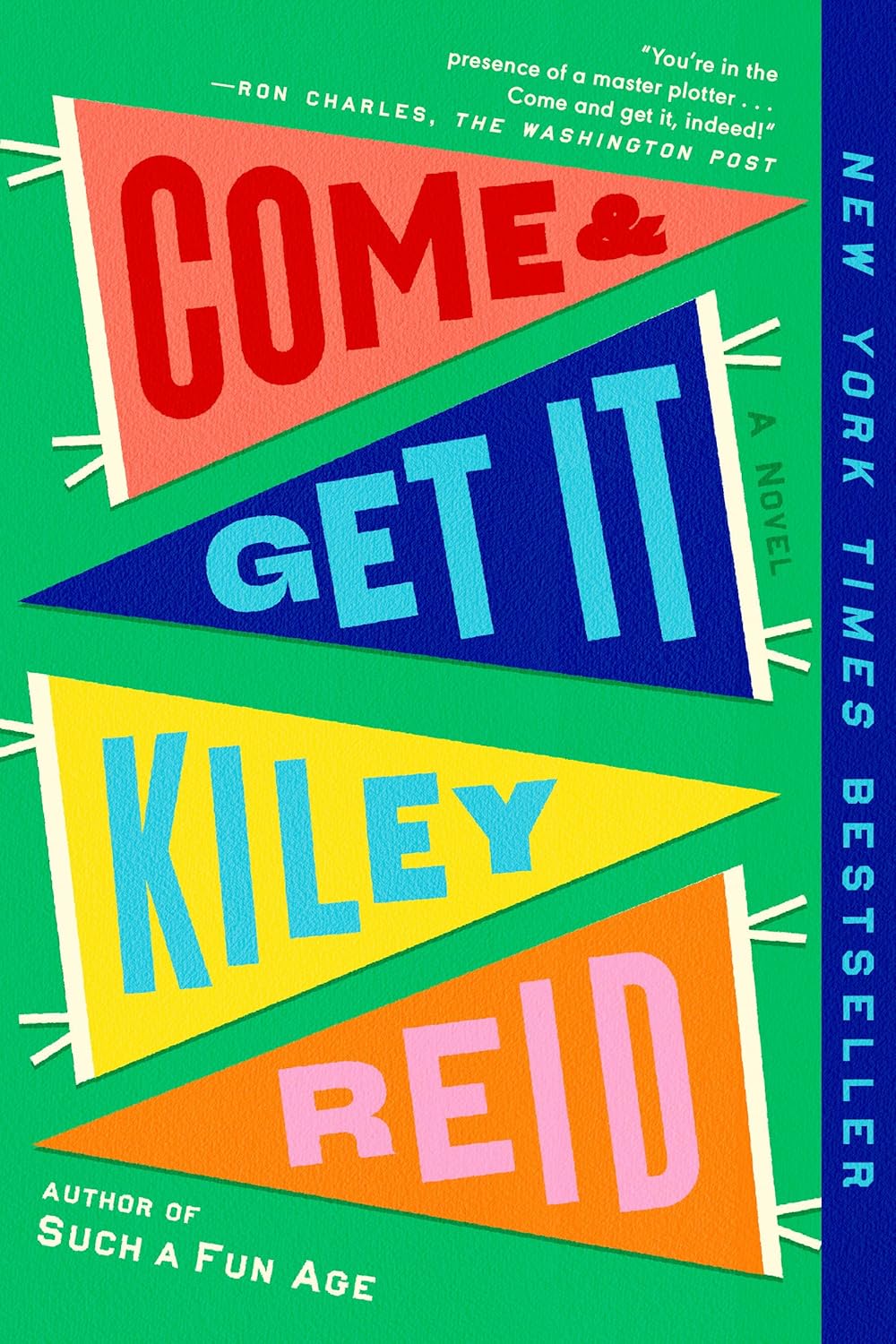
NEW YORK TIMES BESTSELLER National Bestseller A Good Morning America Book Club Pick An Indie Next Pick A LibraryReads Pick Acclaimed author Kiley Reid’s fresh and provocative story about desire, consumption, and bad behavior. It's 2017 at the University of Arkansas, and Millie Cousins—a super-senior resident assistant at Belgrade Dormitory—just wants to graduate, get a job, and buy a house. So when Agatha Paul, a writer and visiting professor itching for her next big topic, offers Millie an easy yet unusual opportunity for them to help each other further their own interests, Millie naturally jumps at the chance. But Millie's starry-eyed hustle quickly becomes jeopardized by a lonely transfer student, unruly residents, and illicit intrigue. Both Millie and Agatha are forced to question just how much of themselves they are willing to trade to get what they want. Sharp and intimate, Come and Get It , the new thought-provoking, singular novel by the bestselling and critically acclaimed author Kiley Reid, explores the choices we make, particularly for the things that can and cannot be paid for.
Summary of Key Ideas
- •
The Tangled Web of Class and Money
The novel delves into the complexities of class and economic disparity as experienced by college students and those in their orbit. It highlights how access to resources and financial security shapes their choices, opportunities, and overall worldview. The characters' interactions are often defined by their relative economic positions, creating tensions and misunderstandings that underscore the challenges of bridging socioeconomic divides. Reid explores the ways in which financial precarity affects not only material well-being but also emotional and psychological states, revealing the subtle yet profound impact of economic inequality on individual lives and relationships. The setting of a college campus amplifies these issues, as students from diverse backgrounds are thrown together, forcing them to confront their differences.
- •
Race and Identity in Academia
Through the character of Millie, a Black residential assistant, the book explores themes of race and identity in a predominantly white academic environment. Millie's experiences highlight the microaggressions, assumptions, and systemic biases that Black students often face. The narrative delves into the challenges of navigating racial stereotypes, code-switching, and the constant pressure to represent one's race. Reid examines how race intersects with class and gender to create unique obstacles for Millie, shaping her aspirations, relationships, and sense of self. The novel encourages readers to confront their own biases and consider the ways in which racial inequality persists in seemingly progressive spaces.
- •
The Pitfalls of Consumer Culture
The book critiques the culture of consumerism and the relentless pursuit of material possessions. Characters are often driven by a desire for status symbols and the perceived validation that comes with acquiring them. This relentless pursuit of 'more' leads to questionable choices and ethical compromises. Reid examines how consumerism can distort values, create false needs, and fuel a sense of emptiness despite outward success. The characters' materialistic desires often overshadow their genuine needs and relationships, highlighting the corrosive effects of a society obsessed with consumption. This theme is particularly relevant in the context of college students, who are often bombarded with marketing messages and social pressures to conform to certain consumption patterns.
- •
The Corrosive Nature of Untamed Ambition
The novel explores the themes of ambition, desire, and the lengths people will go to achieve their goals. Characters are often driven by a desire for success, recognition, or simply a better life. This ambition can lead to moral compromises, betrayal, and a willingness to exploit others. Reid examines the ethical dilemmas that arise when personal ambition clashes with principles of integrity and empathy. The characters' relentless pursuit of their desires often blinds them to the consequences of their actions, highlighting the dangers of unchecked ambition. The setting of a university provides a fertile ground for exploring these themes, as students and faculty alike grapple with their aspirations and the pressures to succeed.
- •
Ethical Dilemmas in Research
The novel raises questions about the ethics of research and the exploitation of vulnerable populations. When a professor involves students in a research project, ethical boundaries become blurred, and the students' privacy and well-being are jeopardized. The book examines the power dynamics inherent in research relationships and the potential for exploitation when researchers prioritize their own agendas over the interests of their subjects. Reid challenges readers to consider the responsibilities of researchers and the importance of informed consent and ethical conduct. The narrative underscores the need for greater oversight and accountability in research practices, particularly when working with vulnerable populations.
- •
The Fragility of Human Connection
The book delves into the complexities of relationships, exploring how they are shaped by power dynamics, economic disparities, and personal ambitions. Characters form alliances and betrayals, driven by their own self-interests and desires. Reid examines the ways in which relationships can be both a source of support and a source of conflict, highlighting the challenges of navigating complex social dynamics. The novel reveals the fragility of human connections and the ways in which they can be easily fractured by jealousy, competition, and misunderstandings. The setting of a college campus amplifies these relational dynamics, as students and faculty alike grapple with issues of belonging, acceptance, and social status.
Chapter Recap

About The Author
Kiley Reid
Main Quotes
"Quite possibly the saddest sensation Millie had ever known was this: that someone cared for you but not like you cared for them."
"She knew what people thought when they saw her: a girl with no parents and too much money."
"It's like eating everything on your plate 'cause you think someone else won't go hungry if you don't. You're not helping anyone but yourself."
"Sometimes it felt like that was all that adulthood was: a series of things that you should be able to do, that other people could do, that were just impossible for you."
"She liked having money because she liked buying things."
"She liked having money because she did not have to ask."
"It was a kindness, she knew, but also an annoyance."
"But now she was here and she would have to wash her sheets and all of this was so, so bad."
"“I know. I'm just a cute little refugee over here,”"
"Standing in the mirror, she reached for the bill. The corners and folds were tucked so neatly that Millie didn't want to unwrap it."
Who Should Read This Book
Readers of contemporary fiction, particularly those interested in social commentary
Fans of Kiley Reid's previous novel, "Such a Fun Age"
Book club members, especially those participating in the "Good Morning America" book club
Readers interested in stories exploring class dynamics, privilege, and ambition
Individuals who enjoy campus novels and stories set in academic environments
Those interested in narratives with complex, flawed characters
Readers who appreciate books that spark discussions about ethical dilemmas and social issues
Individuals seeking thought-provoking and engaging reads with elements of satire
Book Summaries Like
Come and Get It: A GMA Book Club Pick



FAQ

Free Access to LitNotes