




 DISCORD
Corn, Cows, and the Apocalypse
Felicia Jedlicka


 Apple Books


 39 Min Reading Time
 Audio Version Available
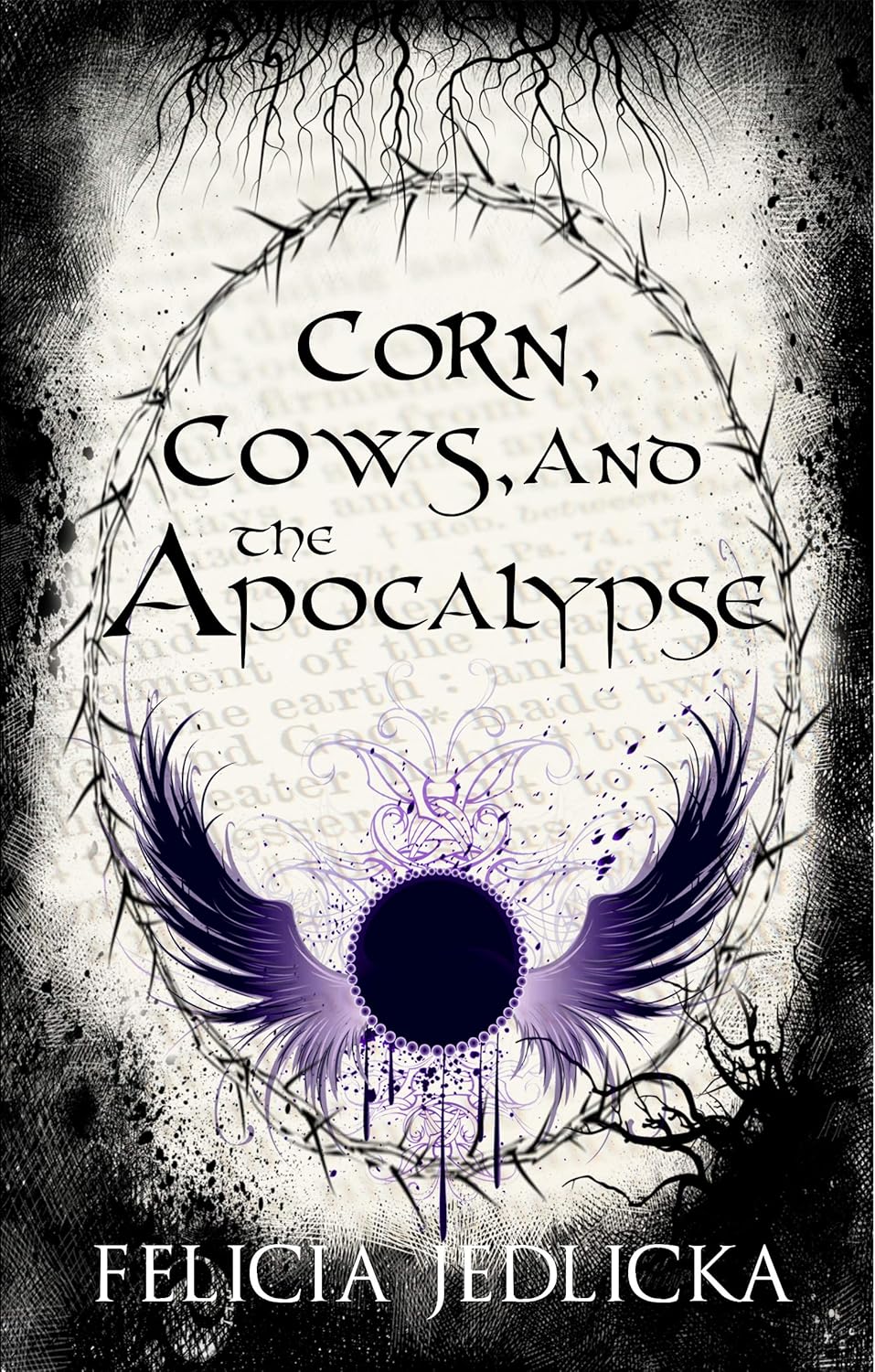
About this book
God rejected you. Now what?
In a world where the apocalypse has already happened and you didn't make the cut, Lenore just wants to cling to her perfectly mediocre existence. But when the chosen ones rise again as demon-ridden corpses with a hunger for the living, the end of days becomes a hilarious, horrifying, and genuinely inconvenient struggle for survival.
Surrounded by new friends who expect her to fight, Lenore, a self-proclaimed coward, is forced to trade her tried-and-true running-away strategy for something a little more…heroic. Can she embrace her inner warrior and help save the world, or will she remain a ninny, watching the apocalypse from the sidelines?
"Corn, Cows, and the Apocalypse" is a semi-heretical, witty tale where "Left Behind" meets the zombie apocalypse, and the survivors are the a-holes God didn't want.
Summary of Key Ideas
- •
The Unchosen Experience: A Heretical Apocalypse
The book presents a unique, 'semi-heretical' take on the conventional apocalypse narrative. Instead of focusing solely on the chosen ones or righteous survivors, it delves into the experiences of those 'left behind' – the individuals deemed unworthy or not selected during the initial reaping. This subversion of typical apocalyptic tropes challenges readers to reconsider traditional notions of divine judgment and salvation, exploring the perspectives of those often overlooked in such scenarios. The narrative examines the psychological and emotional impact of being rejected by a higher power, prompting reflection on faith, worthiness, and the nature of acceptance.
- •
Midwestern Gothic Meets the End Times
Set against the backdrop of rural Nebraska, the story intertwines the mundane aspects of Midwestern life with the extraordinary events of the apocalypse. The juxtaposition of ordinary settings like cornfields and cattle farms with the supernatural elements of zombies and demonic forces creates a compelling and unsettling atmosphere. This blending of the everyday and the fantastical emphasizes that even in the most familiar environments, profound and transformative events can occur, disrupting the sense of normalcy and forcing characters to confront the extraordinary within the ordinary.
- •
Inner Turmoil in the Face of External Chaos
While facing external threats like zombies and demons, the characters grapple with their inner demons and personal traumas. The apocalypse serves as a catalyst for self-discovery and confrontation with past mistakes, unresolved conflicts, and hidden vulnerabilities. As the survivors navigate the challenges of their new reality, they are forced to confront their flaws, make difficult choices, and ultimately redefine themselves. This introspective journey highlights the resilience of the human spirit and the capacity for growth even in the face of overwhelming adversity.
- •
Questioning Faith After Divine Rejection
The narrative explores the themes of faith, doubt, and the search for meaning in a world seemingly abandoned by God. The characters question their beliefs, grapple with theological uncertainties, and seek to understand the reasons behind their rejection. This spiritual quest leads them to explore alternative belief systems, challenge established doctrines, and ultimately forge their own paths towards understanding and acceptance. The book prompts readers to contemplate the complexities of faith, the nature of divine justice, and the individual's role in shaping their own spiritual destiny.
- •
The Resilience of the Human Spirit
Survival in the post-apocalyptic landscape demands resourcefulness, resilience, and the ability to adapt to ever-changing circumstances. The characters must learn to navigate treacherous terrain, scavenge for supplies, and defend themselves against both human and supernatural threats. Their survival hinges on their capacity to cooperate, innovate, and leverage their individual strengths to overcome seemingly insurmountable obstacles. The book celebrates the ingenuity and adaptability of the human spirit, demonstrating how individuals can find strength and purpose even in the most dire situations.
- •
Critique of Chosenness and Societal Norms
The book uses the apocalyptic setting to critique societal norms, religious dogma, and the concept of chosenness. By portraying the struggles of those deemed 'unworthy,' it questions the fairness and exclusivity of traditional salvation narratives. The story challenges readers to consider the marginalized perspectives and to examine the potential for bias and discrimination within religious and social structures. It encourages a more inclusive and compassionate understanding of humanity, advocating for acceptance and empathy towards those often excluded or judged.
Chapter Recap

About The Author
Felicia Jedlicka
Main Quotes
"The magic I got from it was clean and empowering in a way that made me believe I was the most powerful being on Earth."
"I felt the comfort a familiar book gives when I opened it."
"What would I do with all the love I felt for him?"
"That’s what I wanted: the inexplicable intensity of love, irrational, soul-consuming, so strong it makes you forget all reason."
"This is what it means to be a mother: infinite reasons to be grateful and an infinite number of ways for things to go wrong."
"Sometimes when you're in the dark, you think you've been buried, but actually you've been planted."
"She was a goddamn phoenix."
"The apocalypse brings out the best and worst in people."
"It was a Nebraska sky, a thick soupy blue."
"I had a purpose, and it was beautiful."
Who Should Read This Book
Readers of post-apocalyptic fiction
Fans of dystopian literature
Individuals interested in rural settings and themes
Readers who enjoy strong female protagonists
Fans of science fiction with elements of suspense
Those who appreciate stories with a focus on community and survival
Readers of indie and self-published fiction
People from Nebraska or those interested in the region
Book Summaries Like
Corn, Cows, and the Apocalypse


FAQ

Free Access to LitNotes