




 DISCORD
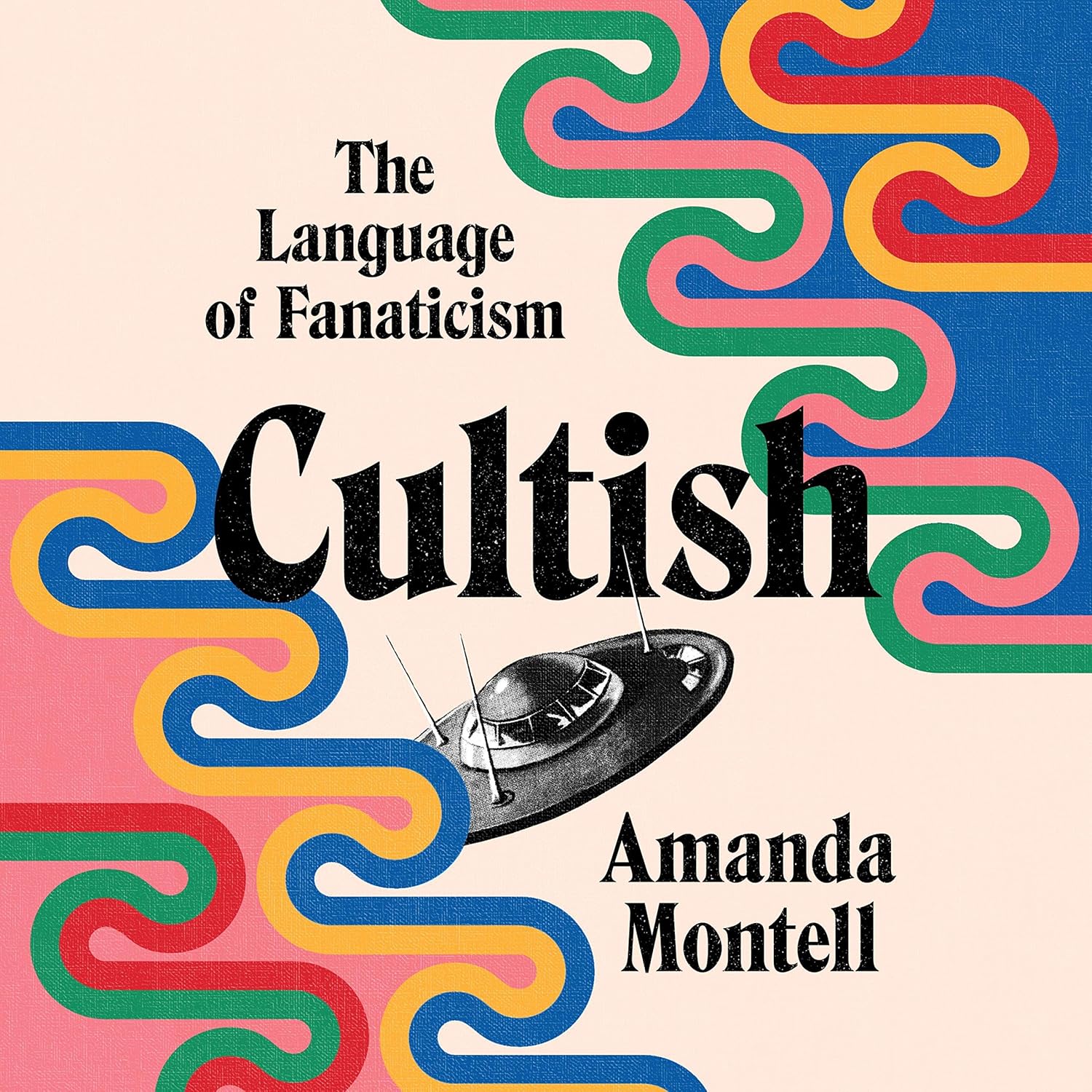
Cultish
Amanda Montell


 The New York Times Best Sellers


 52 Min Reading Time
 Audio Version Available
About this book
From Jonestown to SoulCycle, QAnon to Instagram gurus, why are we so fascinated by cults? And what makes them so powerful? In Cultish: The Language of Fanaticism, Amanda Montell, bestselling author of Wordslut, argues that the answer lies in language.
Forget brainwashing and Kool-Aid. Montell reveals the subtle yet potent ways language creates intense devotion, community, and "us vs. them" mentalities. Through sharp social commentary and original research, she dissects the verbal hallmarks of "cultish" groups, exposing how they infiltrate our lives, from notorious cults like Heaven's Gate to trendy startups, fitness crazes, and social media empires.
Incisive, darkly funny, and utterly captivating, Cultish will transform the way you hear the fanatical language that surrounds you, proving that, on some level, we are all susceptible to the persuasive power of cultish rhetoric.
Summary of Key Ideas
- •
The Power of Language
Language as the Cornerstone of Cultish Groups: Montell argues that language is the primary tool used to create and maintain cultish environments. These groups employ specific linguistic techniques to foster intense loyalty, shape members' perceptions, and create a distinct in-group identity. By controlling vocabulary, dictating acceptable forms of communication, and using loaded language, cultish groups can exert significant influence over their members' thoughts and behaviors. This control of language is often subtle but incredibly powerful in fostering group cohesion and enforcing conformity.
- •
Cults Exist on a Spectrum
The Spectrum of Cult Influence: "Cultish" avoids a binary definition of 'cult,' instead proposing a spectrum. This spectrum ranges from relatively benign groups with intense followings to destructive organizations that engage in manipulative and abusive practices. Montell illustrates that cult-like dynamics can be found in various communities, including fitness programs, business organizations, and self-help groups, challenging the traditional perception of cults as solely religious or extremist movements. Understanding this spectrum allows for a more nuanced analysis of group dynamics and potential red flags.
- •
Loaded Language as Manipulation
Loaded Language and Thought Reform: Cultish groups strategically use 'loaded language' – words and phrases imbued with specific emotional or ideological weight – to influence their members' thinking. This loaded language often simplifies complex issues, reinforces group beliefs, and creates an 'us vs. them' mentality. Through repetitive use and careful framing, these terms can subtly shape members' understanding of the world and promote conformity to the group's ideology. This linguistic manipulation is a key element in thought reform and maintaining group control.
- •
Manufacturing Belonging
The Illusion of Community and Belonging: Cultish groups excel at creating a sense of community and belonging, particularly for individuals who may feel isolated or disenfranchised. This manufactured sense of connection is a powerful tool for attracting and retaining members. By fostering intense social bonds, shared experiences, and a common identity, these groups provide a compelling alternative to mainstream society. However, this sense of community often comes at the cost of individual autonomy and critical thinking.
- •
Creating Division
The Us vs. Them Mentality: A common characteristic of cultish groups is the cultivation of an 'us vs. them' mentality. This involves creating a stark contrast between the group and the outside world, portraying outsiders as ignorant, misguided, or even dangerous. This division reinforces group loyalty, discourages dissent, and makes members more reliant on the group for validation and support. By demonizing the 'other,' cultish groups strengthen internal bonds and maintain control over their members' worldview.
- •
Simplifying the Complex
The Allure of Simplified Solutions: Cultish groups often present themselves as offering simple solutions to complex problems. In a world filled with uncertainty and ambiguity, the promise of clear answers and a defined path can be incredibly appealing. These groups may provide a framework for understanding the world, overcoming personal challenges, or achieving a specific goal. However, this simplification often comes at the expense of critical thinking and a willingness to consider alternative perspectives.
- •
The Role of Charisma
The Power of Charismatic Leaders: Charismatic leaders play a crucial role in the formation and maintenance of cultish groups. These individuals often possess exceptional communication skills, a captivating personality, and a strong sense of conviction. They can inspire devotion, command obedience, and shape the group's ideology. While not all charismatic leaders are inherently harmful, their influence can be easily abused, leading to manipulation, exploitation, and even violence. Understanding the dynamics of charismatic leadership is essential for recognizing and resisting cultish influence.
- •
Escalating Commitment
Commitment and Escalation: Cultish groups often employ techniques of escalating commitment, gradually increasing members' involvement and investment in the group. This may start with small requests or commitments and progress to more significant sacrifices of time, money, or personal relationships. As members become more deeply invested, they are less likely to question the group's practices or leave, even if they experience negative consequences. This gradual escalation is a powerful tool for maintaining control and preventing dissent.
- •
Defining 'Cult' is Subjective
No Objective Definition of 'Cult': Montell emphasizes that there isn't one universally accepted definition of the word 'cult'. The term is loaded with negative connotations and often used subjectively. This lack of a clear definition makes it challenging to identify and address cultish behavior effectively. By exploring the nuances of language and influence, Montell encourages a more critical and informed approach to understanding group dynamics and potential manipulation.
- •
Deconstructing Brainwashing
Brainwashing Is a Myth: The book challenges the common notion of brainwashing as a simple, mechanistic process. Montell argues that people are not simply 'brainwashed' into joining cults but are rather influenced through a complex interplay of linguistic techniques, social pressures, and psychological vulnerabilities. This perspective emphasizes the importance of understanding the subtle ways in which cultish groups exert influence and the agency that individuals retain, even within these environments.
Chapter Recap

About The Author
Amanda Montell
Main Quotes
"Language doesn't work to manipulate people into believing things they don't want to believe; instead, it gives them license to believe ideas they're already primed to accept."
"The line between a harmless enthusiasm and a harmful ideology is blurrier than we think."
"Cultish language is what I call “thought-terminating clichés,” which is a term coined by psychiatrist Robert Jay Lifton to describe buzzwords that quash independent thought."
"When trust in government erodes, we desire belonging and understanding more and are more willing to turn to alternative sources."
"This is what the most cunning cultish leaders do: Instead of sticking to one unchanging lexis to represent a unified doctrine, they customize their language for each new potential recruit."
"Some say people who join cults are “lost.” But all human beings are lost to some degree. Life is disorderly and confusing for absolutely everyone."
"Society's attraction to so-called cults (both the propensity to join them and the anthropological fascination with them) tends to thrive during periods of social upheaval."
"The promise of self-optimization can be cultish in its own right."
"If you try hard enough and believe enough and pray enough, you will have everything you could ever want. The perfect life."
"Language is everything."
Who Should Read This Book
Readers interested in cults and cult-like groups
Individuals fascinated by the power of language and its influence on behavior
People interested in social psychology and group dynamics
Those who enjoy books exploring the language used in MLMs and other organizations
Readers interested in true crime, but with a focus on the psychological and linguistic aspects
Individuals seeking to understand how language creates "us vs. them" mentalities
Those who enjoy pop psychology and sociological analysis
Readers interested in improving their critical thinking skills and awareness of persuasive language techniques
Book Summaries Like
Cultish




FAQ

Free Access to LitNotes