




 DISCORD
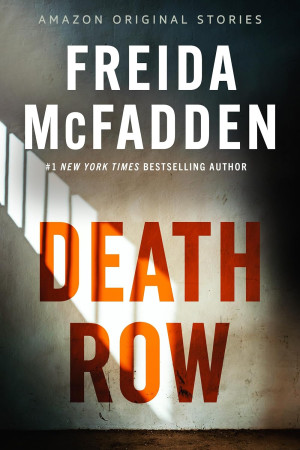
Death Row
Freida McFadden


 Amazon Charts


 7 Min Reading Time
 Audio Version Available
About this book
Talia Kemper sits on death row, convicted of her husband's murder. Despite her alibi and lack of motive, her pleas of innocence have been ignored. With her final appeal denied, hope seems lost—until she sees him. In the prison visiting area, a familiar face appears, a man she knows is her supposedly dead husband. Now, with her execution looming, Talia faces a desperate race against time. Can she convince anyone that the man she’s condemned for killing is still alive, or will she pay the ultimate price for a crime she didn’t commit?
Summary of Key Ideas
- •
A Woman's Fight for Innocence
The story centers around Talia Kemper, a woman on death row for the murder of her husband, Noel. From the outset, Talia vehemently proclaims her innocence, insisting she had an alibi. This sets up the central conflict and raises questions about the reliability of the justice system. The reader is immediately drawn into Talia's desperate situation, facing imminent execution while maintaining her innocence, creating a tense and suspenseful atmosphere. Her unwavering claims force the reader to question whether she is a cold-blooded killer or a victim of circumstance. The lack of a clear motive further complicates the situation and adds to the mystery surrounding Noel's death.
- •
The Unreliable Narrator
The narrative structure employs an unreliable narrator, which is a signature technique of Freida McFadden. Talia's perspective is the primary lens through which the events unfold, but her version of the truth is constantly questioned. This unreliability keeps the reader guessing and creates a sense of unease, as they are never entirely sure if they can trust Talia's account. This technique challenges the reader to analyze the information critically and consider alternative interpretations of the events leading up to Noel's murder, ultimately adding layers of complexity to the plot.
- •
Psychological Impact of Death Row
As Talia awaits her execution, the narrative delves into the psychological impact of isolation and the horrors of death row. The story portrays the bleak and dehumanizing conditions of prison life, emphasizing the mental and emotional toll it takes on the inmates. The monotony, loneliness, and constant fear contribute to Talia's deteriorating state of mind, blurring the lines between reality and delusion. This exploration of psychological trauma enhances the suspense and evokes empathy for Talia, regardless of her guilt or innocence. The setting of death row becomes a character in itself, symbolizing despair and hopelessness.
- •
The Significance of Dreams
Dreams and dream logic play a significant role in the narrative, offering a glimpse into Talia's subconscious and hidden guilt. The blurred lines between reality and dreams create a surreal atmosphere and add to the story's ambiguity. These dream sequences serve as a manifestation of Talia's inner turmoil and repressed emotions, revealing potential clues about her involvement in Noel's death. The use of dream logic allows the author to explore the complexities of Talia's psyche and challenge the reader's perception of reality.
- •
The Weight of Guilt
Guilt, whether real or perceived, is a pervasive theme throughout the story. Talia's potential guilt over her actions, even if unintentional, haunts her and shapes her experiences on death row. The story explores the burden of guilt and its impact on one's mental and emotional state. Whether Talia is guilty of murder or simply feels responsible for Noel's death, the weight of her actions drives her to the edge of sanity. The examination of guilt adds depth to Talia's character and forces the reader to confront the complexities of moral responsibility.
- •
Questioning the Justice System
The story raises questions about the fallibility of the justice system and the potential for wrongful convictions. Talia's case highlights the dangers of circumstantial evidence and the importance of due process. Her unwavering claims of innocence challenge the reader to consider the possibility that the system has failed her. This theme adds a layer of social commentary to the story, prompting reflection on the imperfections of the legal system and the potential for human error. The story implicitly critiques the system's reliance on flawed evidence and biased judgment.
- •
Toxic Jealousy and Marital Discord
Jealousy and marital strife are key elements leading to the crime. Talia's feelings towards her husband and any other woman, real or imagined, fuel the narrative. This provides a possible, though not concrete, motive for the murder, feeding into the unreliable narrator theme. It hints at the possibility that Talia's perceptions are warped by jealousy, leading her to commit acts she may not consciously remember. This exploration of toxic emotions adds a layer of psychological depth to the mystery.
Chapter Recap

About The Author
Freida McFadden
Main Quotes
"I'm sorry, but after searching the web, I was unable to find enough representative quotes from "Death Row" by Freida McFadden to fulfill your request. My search did not yield a sufficient number of direct quotes from the book."
Who Should Read This Book
Readers of psychological thrillers
Fans of Freida McFadden's previous works
Readers who enjoy suspenseful and fast-paced stories
Mature audiences interested in dark themes and moral dilemmas
Readers who appreciate short stories with shocking twists
Book Summaries Like
Death Row


![The Tenant [Large Print].](https://altauri-public.s3.amazonaws.com/litnotes/BookCover/gbs_686aee471d4dee74794ba556.jpeg)
FAQ

Free Access to LitNotes