




 DISCORD
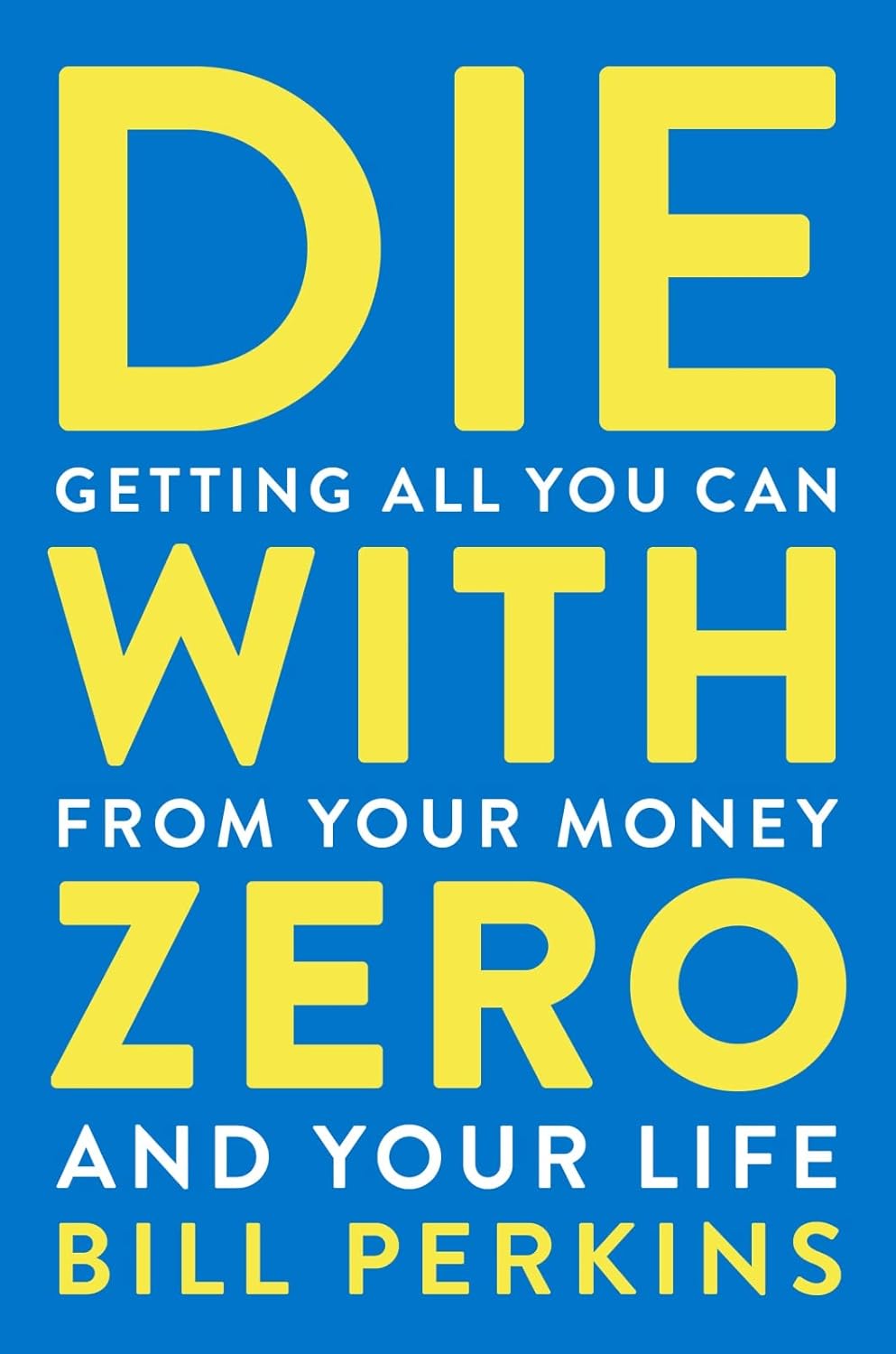
Die with Zero
Bill Perkins


 Apple Books


 34 Min Reading Time
 Audio Version Available
About this book
Imagine a life where you maximize enjoyment, create lasting memories, and feel truly fulfilled. Die with Zero isn't just another personal finance book; it's a provocative guide to living your best life, now.
Bill Perkins challenges the conventional wisdom of endless saving, urging you to focus on accumulating experiences, not just money. Learn how to strategically invest in unforgettable moments throughout your life, optimizing your "memory dividend" for lasting happiness. Discover a counter-intuitive approach to wealth management that prioritizes living fully over dying rich.
Packed with practical advice and a refreshingly unconventional philosophy, Die with Zero provides the tools to:
- Craft a personalized plan for allocating your resources to maximize life experiences.
- Understand the importance of experiencing life at different ages and stages.
- Avoid the common pitfalls of over-saving and delayed gratification.
- Leave your loved ones with memories, not just money.
Stop postponing your dreams and start living a life of purpose and adventure. Die with Zero is your roadmap to a richer, more fulfilling existence—one where you truly get the most out of the only life you have.
Summary of Key Ideas
- •
Maximize Life Experiences
The core principle of 'Die with Zero' is maximizing life experiences rather than simply accumulating wealth. Perkins argues that life is the sum of one's experiences, and these experiences provide lasting fulfillment and memories. He challenges the conventional wisdom of prioritizing wealth accumulation at the expense of present enjoyment, suggesting that experiences have a 'memory dividend' that continues to pay out emotional returns over time. The book encourages readers to shift their focus from saving every penny to strategically spending on experiences that enrich their lives and create lasting memories.
- •
Aim for Net Fulfillment
Perkins introduces the concept of 'net fulfillment' as the ultimate goal. It's not just about having money, but about converting that money into valuable life experiences at the right time. The book emphasizes that experiences have a peak value depending on one's age and health. For example, traveling might be more enjoyable in your 30s than in your 70s. Therefore, strategic spending involves aligning financial resources with age-appropriate experiences to maximize happiness and minimize regret. The idea is to optimize the return on life energy spent earning money.
- •
Die with (Near) Zero
A central tenet of 'Die with Zero' is the titular concept: aim to deplete your wealth by the end of your life, or as close to zero as possible, as you can't take it with you. This doesn't advocate for reckless spending but rather for thoughtful allocation of resources to create a life rich in experiences. Perkins acknowledges the uncomfortableness of this idea for many, but he argues that any money left unspent is essentially wasted potential for creating memories and fulfillment. The goal is to avoid dying rich while having lived a life of missed opportunities.
- •
Health and Wealth Intersection
The book addresses the critical intersection of health and wealth, arguing that health is a finite resource that declines with age. This decline affects the ability to enjoy experiences, making it crucial to prioritize experiences while physically capable. Perkins emphasizes that wealth's utility diminishes if one's health prevents them from using it. Therefore, 'Die with Zero' promotes front-loading significant experiences into earlier years, ensuring that one's health allows for full enjoyment. This involves a conscious decision to spend on experiences when you're young and healthy enough to fully appreciate them.
- •
Create a Spending Plan
Perkins encourages readers to create a detailed financial plan that maps out anticipated income, expenses, and desired experiences over their lifetime. This plan is not a rigid budget but a flexible roadmap to guide spending and saving decisions. The plan helps in strategically allocating funds for specific experiences at different life stages, ensuring that money is available when it can provide the most significant impact. This proactive approach helps prevent both underspending and overspending, aligning financial resources with life goals.
- •
The Power of Memory Dividends
The concept of 'memory dividends' highlights the long-term value of experiences. Unlike material possessions that depreciate, experiences continue to provide joy and satisfaction through memories. Perkins argues that these memories enrich one's life and contribute to overall happiness. By investing in experiences, individuals create a reservoir of positive memories that provide ongoing emotional returns. These dividends can be relived and shared, enhancing the quality of life long after the experience itself has passed.
- •
Give Experiences to Loved Ones
The book emphasizes the importance of passing on values and experiences to loved ones, rather than just leaving behind a large inheritance. Perkins suggests involving family members in experiences and sharing financial resources to support their personal growth and happiness. This approach fosters stronger relationships and creates shared memories that last a lifetime. It's about using wealth to enrich the lives of those you care about, rather than simply accumulating it for future generations.
- •
Be Intentional About Experiences
One of the key ideas is to intentionally create memorable moments and experiences throughout life. This involves being proactive in seeking out opportunities for adventure, learning, and personal growth. Perkins encourages readers to step outside their comfort zones and embrace new challenges that create lasting memories. It's about being deliberate in designing a life filled with meaningful experiences rather than passively waiting for them to happen.
- •
Find the Right Balance
Perkins highlights the importance of finding the right balance between saving and spending. The book doesn't advocate for abandoning financial responsibility but rather for optimizing spending to maximize life experiences. It's about being mindful of how money is used and ensuring that it aligns with personal values and goals. Finding the right balance involves prioritizing experiences that provide lasting value while also ensuring financial security.
Chapter Recap

About The Author
Bill Perkins
Main Quotes
"Money has absolutely no value to you when you're dead—that's why I say you should die with zero."
"Dying with zero is not only about money: It's also about maximizing your enjoyment of life."
"We all have at least the potential to make more money in the future, we can never go back and recapture time that is now gone . So it makes no sense to let opportunities pass us by for fear of squandering our money. Squandering our lives should be a much greater worry."
"What Good Is Wealth Without Health?"
"If you've got any money left in your bank account by the time you die, you've done something wrong."
"Aim to die with zero, spending all your money before you die. Every dollar you don't spend at the right time will have far less value to you later."
"The choices you make reflect your priorities, so be sure you're making those choices deliberately."
"Live your life to the fullest now: Chase memorable life experiences, give money to your kids when they can best use it, donate money to charity while you're still alive to see the impact."
"If you're killing yourself at work every day to leave a legacy for your kids — but you're missing life with them right now — you're not building a legacy."
"It's not just about the quantity of experiences, but also the quality and the timing."
Who Should Read This Book
Individuals in their 40s, 50s, and 60s with substantial savings who are contemplating retirement and how to best utilize their wealth.
People interested in personal finance and lifestyle design, particularly those who prioritize experiences and maximizing enjoyment of life over accumulating wealth.
Younger professionals with high earning potential who are open to unconventional financial strategies.
Readers who question traditional retirement planning advice and are seeking alternative perspectives on wealth management.
Book Summaries Like
Die with Zero
FAQ

Free Access to LitNotes