




 DISCORD
Diet, Drugs and Dopamine
David A. Kessler


 The New York Times Best Sellers


 122 Min Reading Time
 Audio Version Available
About this book
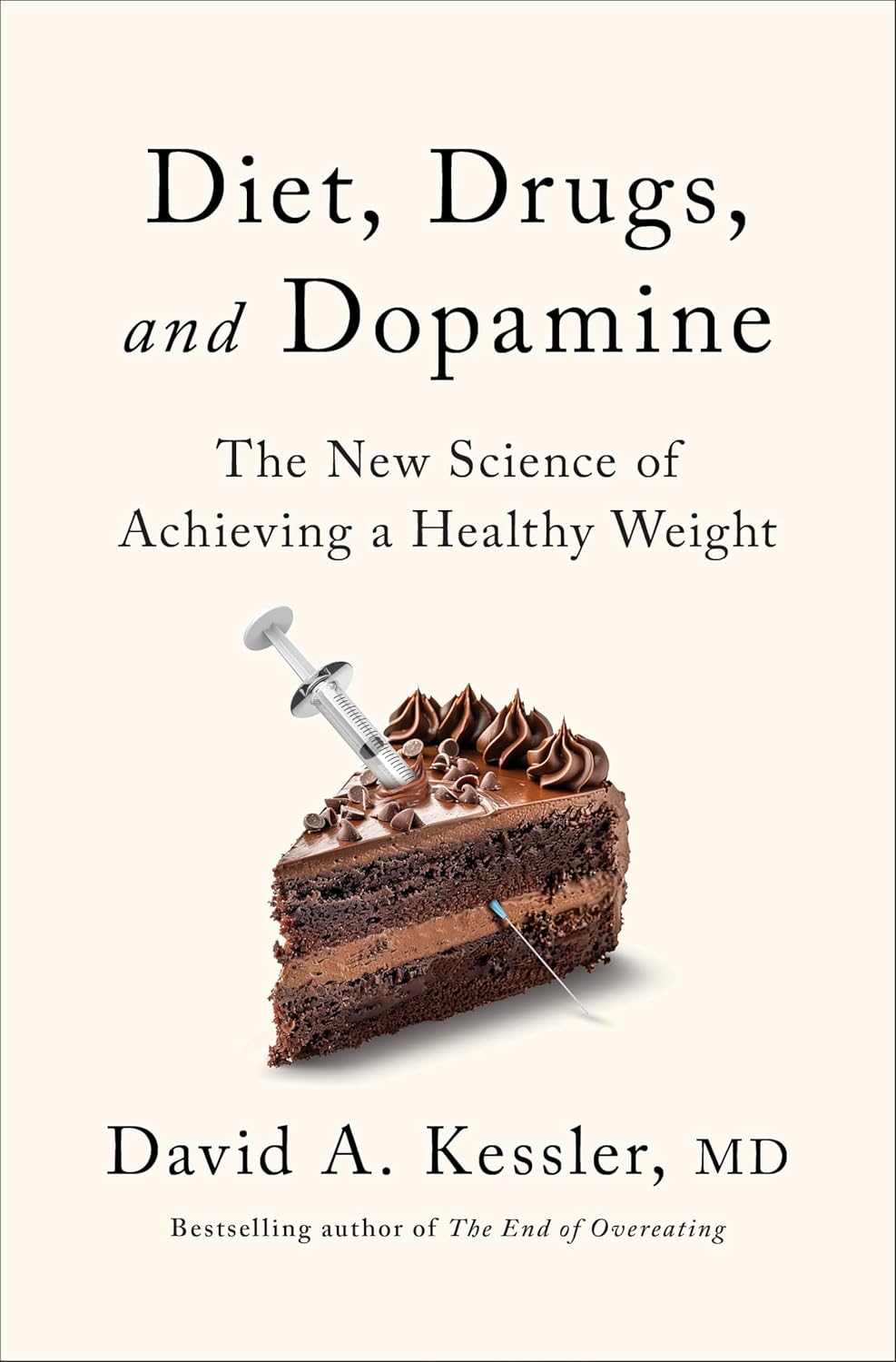
Is lasting weight loss truly possible? From former FDA Commissioner and New York Times bestselling author David A. Kessler, MD, comes a groundbreaking exploration of the science behind our struggles with weight and the revolutionary potential—and risks—of new weight loss drugs.
Diet, Drugs, and Dopamine unveils the hidden truth: obesity is not just a matter of willpower, but a disease of the brain. Dr. Kessler exposes how ultra-processed foods hijack our brain chemistry, triggering addictive cravings and a relentless cycle of overeating. Drawing upon cutting-edge research and his own personal journey, he examines the transformative impact of GLP-1 drugs, revealing how they target the brain's reward system to quiet "food noise" and curb compulsive behaviors.
But this breakthrough comes with a warning. Dr. Kessler cautions that these drugs are not a magic bullet and carry potential risks. He champions a comprehensive approach that combines medication with mindful nutrition, behavioral strategies, and physical activity to achieve sustainable results.
Diet, Drugs, and Dopamine is a must-read for anyone seeking to break free from the cycle of dieting and reclaim control over their health. This eye-opening book empowers you with the knowledge to rewire your brain, transform your relationship with food, and unlock a future of lasting well-being.
Summary of Key Ideas
- •
Dopamine as the Driver of Overeating
The core argument of 'Diet, Drugs, and Dopamine' is that overeating, much like drug addiction, is driven by the brain's dopamine system. Kessler posits that the modern food environment, with its abundance of highly palatable and processed foods, hijacks our dopamine pathways, leading to compulsive eating behaviors. This creates a cycle of craving and consumption that is difficult to break, similar to the patterns observed in drug addicts. Understanding this neurochemical basis is crucial for developing effective strategies to manage weight and eating habits.
- •
Conditioned Hypereating: Cues and Triggers
Kessler emphasizes the concept of 'conditioned hypereating,' where specific cues and contexts become associated with food consumption, triggering dopamine release and intense cravings. These cues can be visual (seeing a fast-food restaurant), emotional (feeling stressed or bored), or social (attending a party with tempting food). Recognizing and managing these cues is essential for disrupting the cycle of compulsive eating. By understanding the triggers that lead to overeating, individuals can develop strategies to avoid or counteract them.
- •
The Food Industry's Role in Addiction
The book critically examines the role of the food industry in creating and perpetuating the 'perfect storm' of highly palatable, addictive foods. Kessler argues that food manufacturers intentionally design products to maximize dopamine release, often combining sugar, fat, and salt in ways that are irresistible to the brain. This manipulation of our neurobiology makes it incredibly difficult for individuals to make healthy choices, highlighting the need for greater awareness and potential regulation of the food industry's practices.
- •
The Promise and Perils of GLP-1 Drugs
Kessler discusses the potential of GLP-1 drugs (like Ozempic) to treat overeating by targeting the same dopamine pathways affected by addictive substances. These drugs can reduce cravings and promote feelings of fullness, leading to weight loss. However, Kessler cautions against viewing them as a magic bullet, emphasizing the importance of combining medication with behavioral and lifestyle changes for long-term success. He also highlights the need for more research on the long-term effects and potential risks of these medications.
- •
A Holistic Approach to Weight Management
A key idea in the book is the necessity of a comprehensive approach to weight management that addresses both the biological and psychological aspects of overeating. This includes strategies such as mindful eating, cognitive behavioral therapy (CBT), and creating a supportive environment that promotes healthy choices. Kessler argues that sustainable weight loss requires a holistic approach that tackles the underlying drivers of compulsive eating and helps individuals develop healthier habits and coping mechanisms.
- •
The Power of Self-Awareness
The book underscores the importance of self-awareness in breaking free from the cycle of compulsive eating. This involves paying close attention to one's thoughts, feelings, and behaviors related to food, as well as identifying personal triggers and vulnerabilities. By developing greater self-awareness, individuals can gain more control over their eating habits and make more conscious choices. This also includes understanding the emotional and psychological needs that are often met through food, and finding healthier ways to fulfill those needs.
Chapter Recap

About The Author
David A. Kessler
Main Quotes
"We know that diets don't work, and yet we also know that excess weight starves us of years and quality of life. Where do we go from here?"
"The issue is not willpower. The problem is that our brains have been hijacked."
"The FDA never anticipated that the food industry would learn to exploit the same pathways in the brain that drugs exploit."
"We are living in an environment of manufactured cravings."
"These foods aren't just pleasure, they create craving."
"The combination of sugar, fat, and salt is irresistible."
"We've been trained to want these foods."
"These drugs work by affecting the dopamine system, which is also affected by highly palatable foods."
"We need to change the environment."
"It's about understanding the science of addiction and applying it to our eating habits."
Who Should Read This Book
Individuals interested in the science of weight management.
People considering or currently using GLP-1 drugs for weight loss.
Readers seeking a comprehensive understanding of the interplay between diet, drugs, and dopamine.
Those struggling with weight issues, unhealthy eating habits, or cravings.
Healthcare professionals and nutritionists looking for the latest research on weight management.
Individuals interested in the role of the FDA and drug regulation.
Readers of science and health books.
Book Summaries Like
Diet, Drugs and Dopamine



FAQ

Free Access to LitNotes