




 DISCORD
Dopamine Nation
Dr. Anna Lembke


 Apple Books


 44 Min Reading Time
 Audio Version Available
About this book
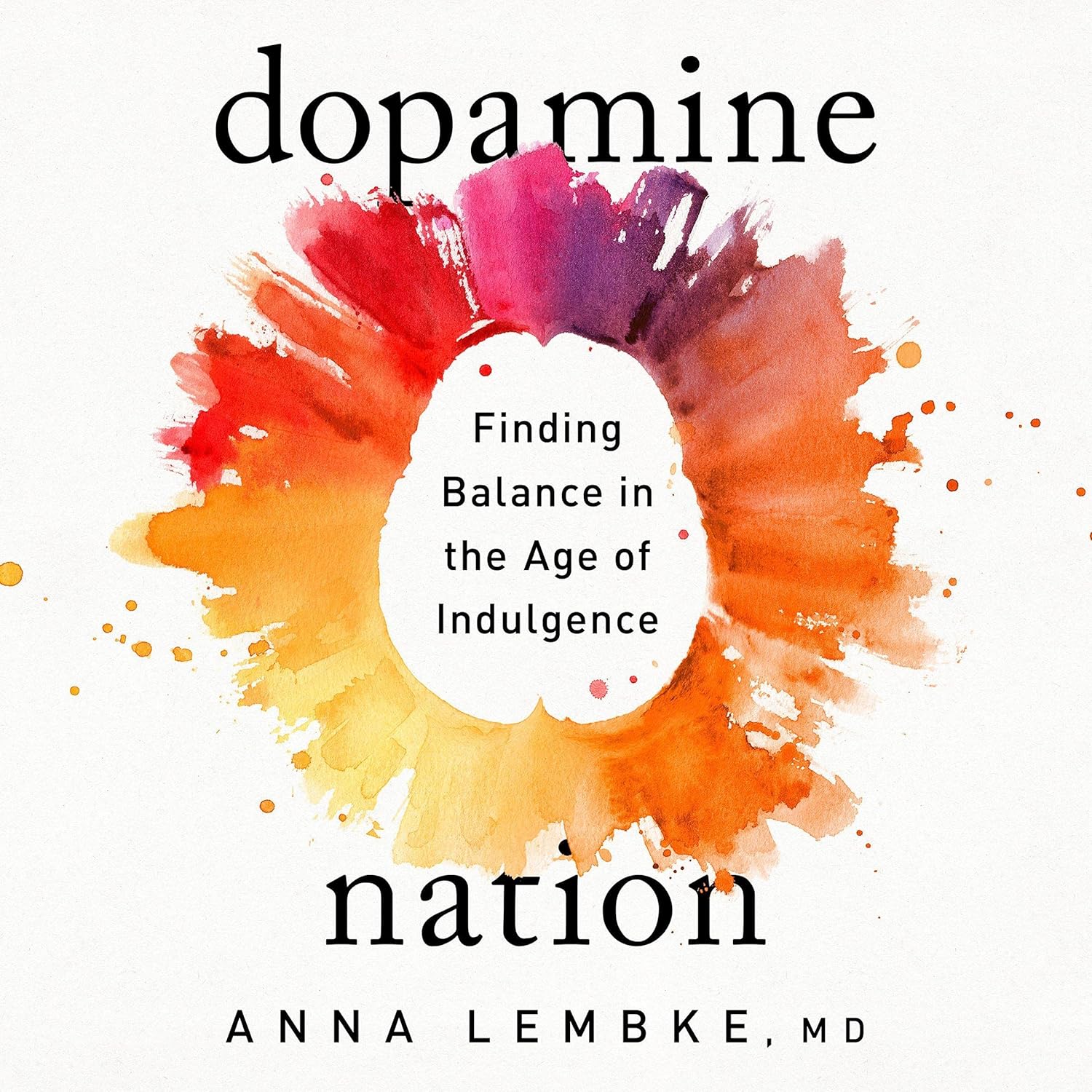
In a world awash with instant gratification, where smartphones act as digital hypodermic needles delivering dopamine on demand, how do we find balance? In Dopamine Nation, Dr. Anna Lembke, psychiatrist and bestselling author, delves into the science of pleasure and pain to reveal the shocking truth: relentless pursuit of pleasure leads to suffering.
Drawing on cutting-edge research and compelling patient stories, Dr. Lembke exposes the dangers of compulsive overconsumption in all its forms—from drugs and gaming to shopping and social media. With clear, relatable language, she explains how to keep dopamine in check and reclaim control over our lives.
Dopamine Nation offers a path to finding contentment and connection in an age of excess, revealing that the key to lasting happiness lies in the delicate balance between pleasure and pain. Discover the science of desire and the wisdom of recovery, and transform your life today.
Summary of Key Ideas
- •
The Pleasure-Pain Balance
The central thesis of 'Dopamine Nation' revolves around the delicate balance between pleasure and pain in our brains. Dr. Lembke explains how our brains are wired to seek pleasure and avoid pain, with dopamine playing a crucial role in this process. However, constant exposure to highly stimulating experiences disrupts this balance, leading to a dopamine deficit state where we experience more pain than pleasure. This imbalance drives addictive behaviors as we desperately seek to restore the equilibrium, often resulting in a vicious cycle of overstimulation and withdrawal. Understanding this pleasure-pain seesaw is the first step towards regaining control over our impulses and finding genuine contentment.
- •
The Age of Overabundance
In today's world, we are constantly bombarded with readily available sources of dopamine, from social media and online shopping to readily accessible drugs and pornography. This overabundance of stimuli leads to a state of chronic overstimulation, desensitizing our dopamine receptors and making it harder to experience pleasure from natural rewards. Dr. Lembke argues that this 'dopamine overload' is a major contributing factor to the rise in addiction, anxiety, and depression in modern society. She emphasizes the importance of recognizing the pervasive nature of these dopamine triggers and taking proactive steps to limit our exposure to them.
- •
The Power of Abstinence
Abstinence, or 'dopamine fasting,' is a key strategy recommended by Dr. Lembke to reset the brain's reward system. By temporarily abstaining from pleasurable activities, we allow our dopamine receptors to recover and regain their sensitivity. This period of abstinence can be challenging, as it often involves experiencing withdrawal symptoms and confronting uncomfortable emotions. However, it is crucial for breaking free from the cycle of addiction and restoring a healthy balance between pleasure and pain. Lembke suggests starting with short periods of abstinence and gradually increasing the duration as we become more resilient.
- •
Embracing Pain for Pleasure
Counterintuitively, Dr. Lembke suggests that embracing pain can be a powerful tool for restoring balance in our dopamine-driven lives. Engaging in activities that are initially uncomfortable, such as exercise, cold exposure, or meditation, can lead to a natural release of dopamine as our brains adapt to the challenge. This type of dopamine release is more sustainable and fulfilling than the fleeting pleasure derived from artificial stimuli. By intentionally incorporating discomfort into our routines, we can strengthen our resilience, improve our mood, and cultivate a deeper sense of well-being.
- •
The Importance of Connection
Authentic connection with others is presented as a vital antidote to the isolation and disconnection that often accompany addiction. Dr. Lembke highlights the importance of building meaningful relationships based on trust, vulnerability, and shared experiences. These connections provide a sense of belonging and purpose that can buffer against the allure of instant gratification. By investing in our relationships, we create a supportive network that can help us navigate challenges, regulate our emotions, and find lasting fulfillment.
- •
Honesty and Self-Awareness
Honesty and self-awareness are crucial components of recovery, according to Dr. Lembke. Acknowledging our vulnerabilities, triggers, and addictive behaviors is the first step towards taking control of our lives. This involves being honest with ourselves and others about our struggles, seeking support when needed, and developing a deeper understanding of the underlying causes of our addiction. By cultivating self-awareness, we can identify patterns of behavior that lead to overstimulation and develop strategies for coping with cravings and triggers in a healthy way.
- •
Finding Sustainable Balance
Lembke stresses the importance of finding a sustainable balance rather than aiming for constant happiness or complete abstinence. The goal is not to eliminate pleasure from our lives but to cultivate a healthy relationship with it. This involves being mindful of our dopamine intake, practicing moderation, and prioritizing activities that promote long-term well-being over short-term gratification. By finding a balance that works for us, we can create a more fulfilling and meaningful life, free from the grips of addiction.
- •
Addiction as a Brain Disease
The book emphasizes that addiction is not a moral failing but a brain disease. This perspective helps to reduce stigma and promote compassion for those struggling with addictive behaviors. Understanding the neurobiological mechanisms underlying addiction can empower individuals to seek help and develop effective coping strategies. By reframing addiction as a medical condition, we can create a more supportive and understanding environment for recovery.
Chapter Recap

About The Author
Dr. Anna Lembke
Main Quotes
"The relentless pursuit of pleasure leads to pain."
"Recovery begins with abstinence."
"Abstinence rests the brain's reward pathway."
"The opposite of addiction is connection."
"We're all running from pain."
"Pain and pleasure are processed in the same part of the brain."
"Self-binding is an ancient tool to help us overcome our more primitive urges."
"Where you are is a result of who you were, but where you end up depends entirely on who you choose to be from this moment forward."
"The reason we're all so miserable may be because we're working so hard to avoid being miserable."
"True freedom is not the unlimited pursuit of pleasure, but rather the ability to tolerate pain and delay gratification."
Who Should Read This Book
Individuals struggling with addiction or addictive behaviors
People interested in understanding the science of pleasure and pain
Those seeking strategies for managing overconsumption and finding balance in a high-stimulus world
Individuals interested in self-improvement and mental wellness
Mental health professionals (therapists, counselors, psychologists, social workers, and addiction counselors)
Readers interested in the impact of technology and consumerism on mental health
People seeking to understand the neurobiology of addiction and reward
Individuals looking for practical tools to change their habits and improve their well-being
Parents and educators concerned about the impact of technology on young people
Anyone interested in the intersection of neuroscience, psychology, and culture
Book Summaries Like
Dopamine Nation
FAQ

Free Access to LitNotes