




 DISCORD
Dream Psychology
Sigmund Freud


 Apple Books


 48 Min Reading Time
 Audio Version Available
About this book
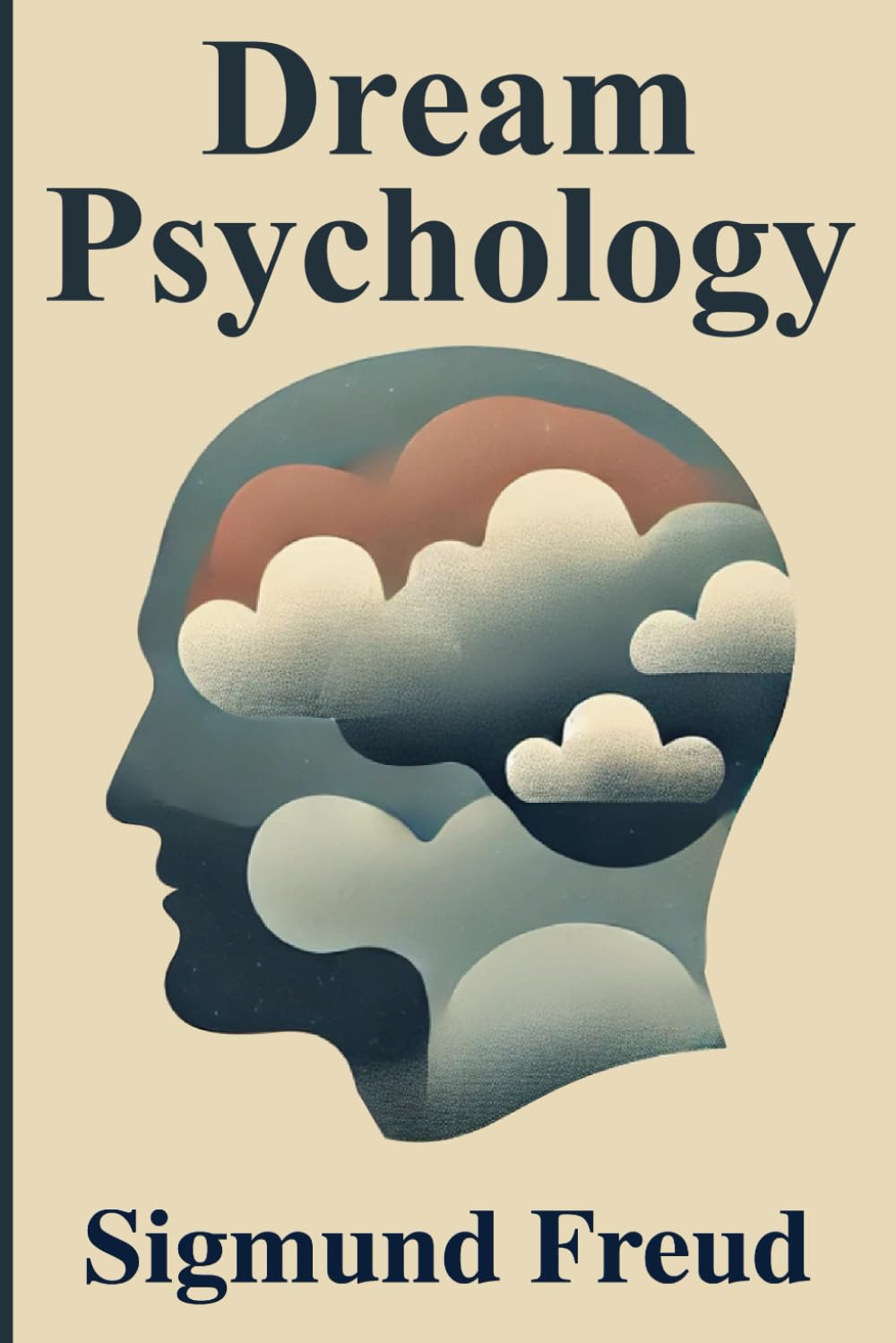
Unlock the hidden world of your unconscious with Sigmund Freud's Dream Psychology. A foundational text in psychoanalysis, Freud unveils his revolutionary theory that dreams are not mere random occurrences, but a window into our deepest desires, fears, and unresolved emotions.
Explore the complex mechanisms behind dream formation, from manifest to latent content, and decipher the symbolic language of the sleeping mind. Freud's groundbreaking work illuminates the significance of wish fulfillment, repression, and the powerful influence of the unconscious.
Discover how dreams serve as a royal road to self-understanding, offering profound insights into the human psyche. Dream Psychology is an essential read for anyone seeking to understand Freud's lasting impact on modern psychology and the interpretation of dreams.
Summary of Key Ideas
- •
Dreams: Windows to the Unconscious
Dreams as Manifestations of the Unconscious: Freud posits that dreams are not random occurrences but rather expressions of our deepest, unconscious desires, fears, and conflicts. This foundational idea suggests that the royal road to the unconscious is paved with dreams. Understanding dreams allows us to tap into the hidden parts of our psyche, revealing aspects of ourselves that we might otherwise keep repressed. This concept forms the bedrock of Freudian dream analysis, encouraging individuals to explore their inner worlds and gain insights into their motivations and behaviors. The book elucidates how these unconscious elements surface in disguised forms within our dreams.
- •
Dream-Work: Distorting Reality
The Dream-Work: Freud introduces the concept of 'dream-work,' which refers to the psychological processes that transform latent dream thoughts into manifest content. These processes include condensation (combining multiple ideas into one), displacement (shifting emotions from one object to another), symbolization (representing ideas with symbols), and secondary revision (making the dream more coherent and logical). Understanding dream-work is crucial for interpreting dreams, as it explains how the unconscious disguises and distorts our true feelings and thoughts. By unraveling the dream-work, we can decipher the hidden meanings embedded in our dreams.
- •
Latent Content: The Hidden Truth
Latent vs. Manifest Content: Freud distinguishes between the latent content of a dream (the hidden, unconscious thoughts and desires) and the manifest content (the dream as it is experienced and remembered). The manifest content is a distorted version of the latent content, shaped by the dream-work. The goal of dream analysis is to uncover the latent content by interpreting the symbols and distortions present in the manifest content. This distinction highlights the importance of careful analysis and interpretation in understanding the true meaning of dreams. The latent content reveals the unconscious wishes, while the manifest content is its disguised representation.
- •
Decoding Dream Symbols
Symbolism in Dreams: Dreams often use symbols to represent unconscious thoughts and desires. Freud identifies common dream symbols and explores their potential meanings, although he cautions against rigid interpretations, emphasizing the importance of individual context. Symbols can represent a wide range of things, from sexual desires to repressed emotions. Recognizing and interpreting these symbols is a key part of Freudian dream analysis. The meaning of a symbol is not universal, but is specific to the individual's experiences and associations.
- •
Wish Fulfillment: Dreams' Driving Force
Dreams as Wish Fulfillment: Freud believed that many dreams are attempts to fulfill unconscious wishes, particularly those that are repressed or socially unacceptable. These wishes may be expressed directly or in disguised forms, depending on the strength of the repression. Even seemingly unpleasant dreams can be interpreted as wish fulfillments if they serve a purpose, such as testing one's courage or resolving conflicts. The concept of wish fulfillment underscores the idea that dreams are driven by underlying motivations and desires. These wishes often stem from childhood experiences and unresolved conflicts.
- •
Childhood's Echo in Dreams
The Role of Childhood Experiences: Freud emphasizes the importance of childhood experiences in shaping our unconscious and influencing our dreams. Early traumas, unresolved conflicts, and repressed desires can all surface in dreams, often in symbolic form. By analyzing dream content, we can gain insights into the impact of our early experiences on our current psychological state. Understanding the connection between childhood and dreams is essential for a complete understanding of the unconscious. Dreams can serve as a window into our past, helping us to resolve old wounds and move forward.
Chapter Recap

About The Author
Sigmund Freud
Austrian neurologist known as the founding father of psychoanalysis
Main Quotes
"The interpretation of dreams is the via regia to the unconscious."
"Dreams are never trivial."
"A dream is the fulfillment of a wish."
"The interpretation of dreams is the royal road to a knowledge of the unconscious activities of the mind."
"The dream is a psychosis, with all the absurdities, delusions and illusions of one."
"In dreams we find a freedom we do not have in waking life."
"The dream is a picture puzzle which our waking reason tries to solve."
"Dreams are often most profound when they seem the most crazy."
"The dream is the (disguised) fulfillment of a (suppressed, repressed) wish."
"Dreams are the touchstones of our character."
Who Should Read This Book
Psychology students
Individuals interested in psychoanalysis
Readers interested in dream interpretation
Those curious about the history of psychology
People interested in Freudian theory
Readers seeking to understand the unconscious mind
Individuals exploring the symbolism and meaning of dreams
Academics and researchers in the field of psychology
Readers interested in classic literature on the mind
Those seeking self-understanding through dream analysis
Book Summaries Like
Dream Psychology


FAQ

Free Access to LitNotes