




 DISCORD
Fable for the End of the World
Ava Reid

 The New York Times Best Sellers


 100 Min Reading Time
 Audio Version Available
About this book
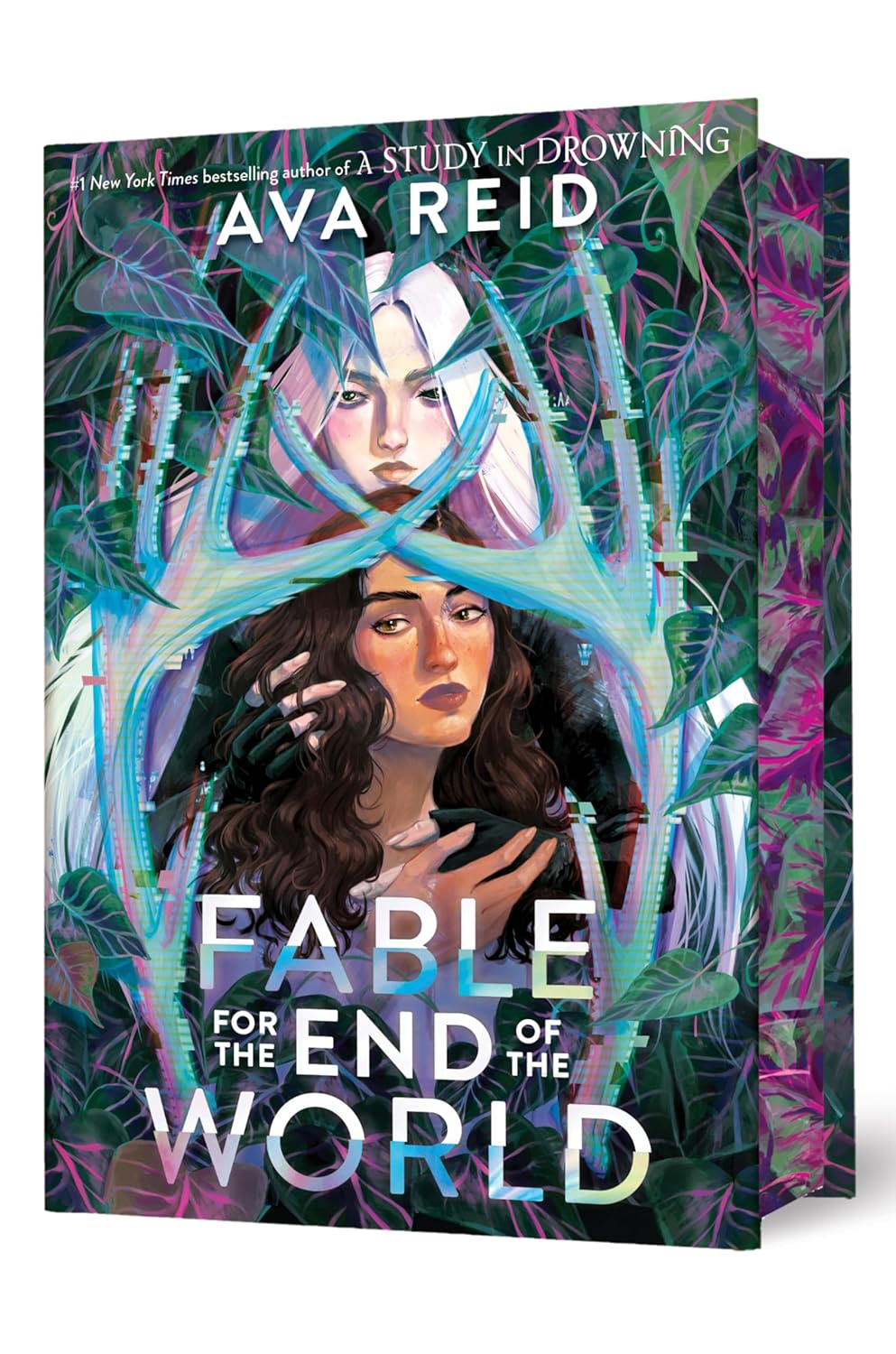
In a crumbling New Amsterdam, where the line between survival and spectacle blurs, Inesa is chosen for the Gauntlet, a televised death game designed to pay off her family's crippling debt. Her only hope lies in survival, but to live, she must confront not only the brutal challenges of the game but also the ruthless assassin, Mel, tasked with hunting her down.
As Inesa and Mel navigate the Gauntlet's deadly trials, an unexpected connection sparks between them. Their alliance could be the key to escaping the city's iron grip, but it demands a sacrifice: defy the corporation that controls their lives and risk everything for a love that could ignite a revolution—or consume them both.
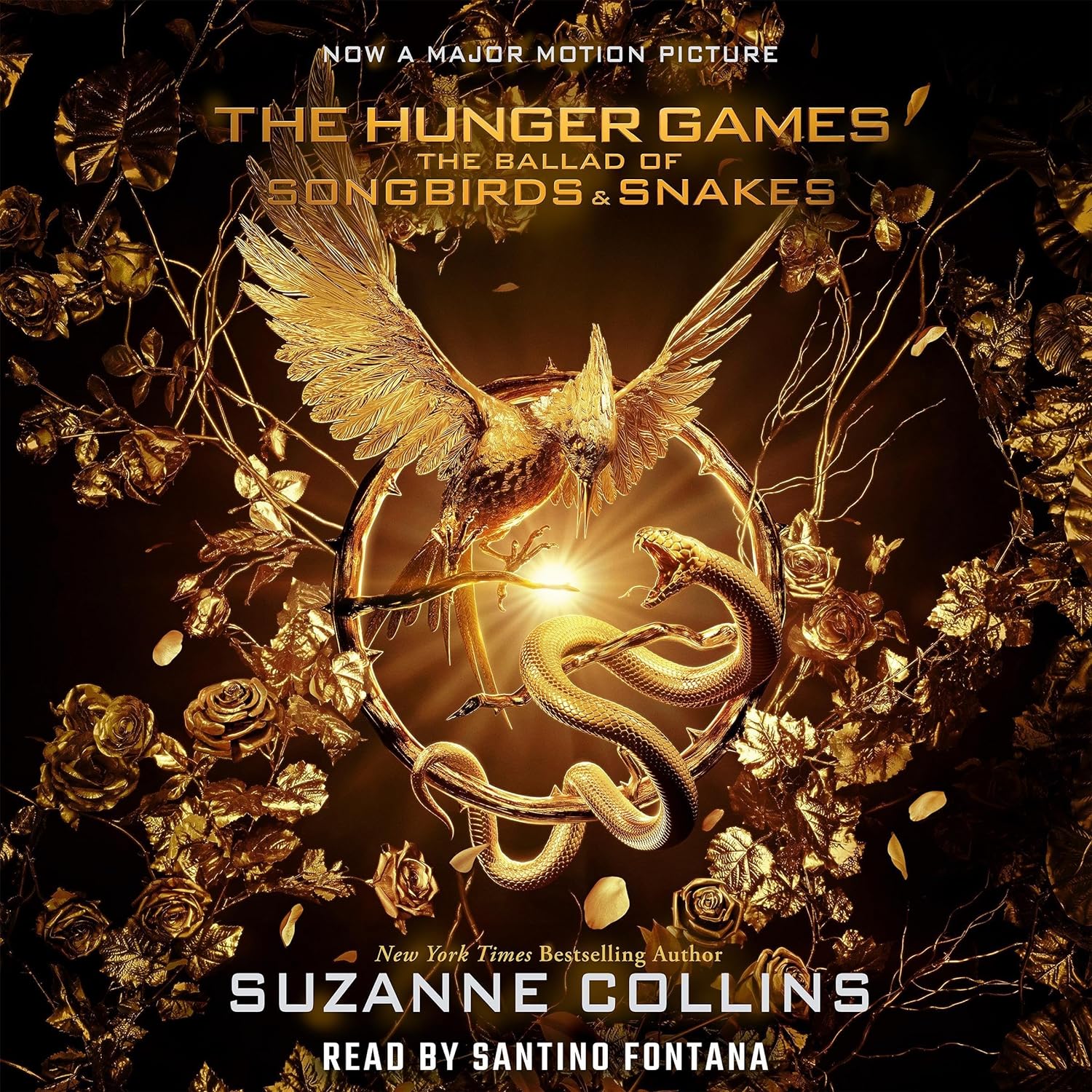
Fable for the End of the World is a gripping dystopian romance where love and sacrifice collide against a backdrop of corporate oppression and environmental decay. Perfect for fans of The Last of Us and The Ballad of Songbirds and Snakes, Ava Reid crafts a heart-wrenching tale of resilience, challenging what it truly means to fight for a future worth saving.
Summary of Key Ideas
- •
The Environment as a Reflection of Society
Environmental Catastrophe as Societal Mirror: The novel uses a crumbling, ecologically devastated world as a backdrop to examine the consequences of unchecked corporate greed and environmental neglect. The decay of the environment mirrors the moral and social decay of the characters and the society they inhabit, highlighting the real-world implications of climate change denial and unsustainable practices. Reid uses this setting to force characters to confront the direct consequences of decisions made by those in power, making the abstract threat of climate change viscerally real.
- •
Dangers of Unfettered Corporate Power
Corporate Control and Dystopian Governance: The narrative explores a world where corporations wield immense power, effectively acting as the governing body. This system prioritizes profit over people, creating deep inequalities and a society where human lives are commodified. The novel critiques the dangers of unregulated capitalism and the potential for corporate entities to exploit vulnerable populations in pursuit of economic gain. This theme highlights the risks of allowing economic interests to dictate societal values and governance.
- •
Commodification of Suffering
The Spectacle of Violence and Exploitation: The 'death gauntlet' aspect of the story serves as a pointed commentary on the entertainment industry's obsession with violence and the exploitation of human suffering for mass consumption. The live-streaming of Inesa's ordeal raises questions about voyeurism, desensitization, and the ethical responsibilities of media in a dystopian society. Reid challenges readers to consider the impact of such spectacles on individual empathy and societal morality.
- •
Navigating Moral Ambiguity
Sacrifice and Moral Choices: Characters are continually faced with difficult choices that require them to sacrifice their own well-being or the well-being of others. These moral dilemmas explore the complexities of survival in a world where resources are scarce and trust is a luxury. The novel examines how extreme circumstances can test the limits of human morality and force individuals to confront their own values and priorities, highlighting the ambiguities of right and wrong in desperate situations.
- •
Finding Hope in Human Connection
The Power of Human Connection in a Dying World: Despite the bleak setting, the novel emphasizes the importance of human connection, love, and solidarity as sources of hope and resilience. The relationship between Inesa and another character demonstrates the power of intimacy and trust to overcome adversity and challenge oppressive systems. This theme suggests that even in the face of overwhelming despair, human bonds can provide meaning and purpose.
- •
Love as a Challenge to Division
Enemies-to-Lovers as a Challenge to Ideology: The sapphic, enemies-to-lovers dynamic between the protagonists serves as a vehicle to explore the breakdown of pre-conceived notions and ideological barriers in a world undergoing profound change. As the characters are forced to work together and confront shared threats, they challenge the assumptions and prejudices that initially defined their relationship, reflecting a broader theme of questioning established norms and embracing empathy.
Chapter Recap

About The Author
Ava Reid
Main Quotes
"“It’s a brave thing, to love, when you know that it’s most likely doomed. It’s part of what makes us human.”"
""Perhaps love was just the world's most elaborate survival mechanism.""
""Hope was a dangerous thing.""
"“We are all monsters, Inesa,”"
"“It was a strange thing, to be grateful for small mercies in a world that seemed determined to deny them.”"
"“Sometimes the only way to survive is to become what they expect you to be.”"
""The world was ending, but people still fell in love.""
"“We are all just stories, in the end.”"
""So here we are, hating each other, repulsed by each other, both standing to gain from the other's demise. And yet—I owe her my life. And she...""
""It's not weakness to want to be loved.""
Who Should Read This Book
Young adult dystopian fiction readers
Readers interested in climate fiction
Fans of romance subplots in dystopian settings
Readers of Ava Reid's previous works
Readers aged 16+
Book Summaries Like
Fable for the End of the World
FAQ

Free Access to LitNotes