




 DISCORD
Frankenstein: The 1818 Text
Mary Shelley


 Apple Books


 105 Min Reading Time
 Audio Version Available
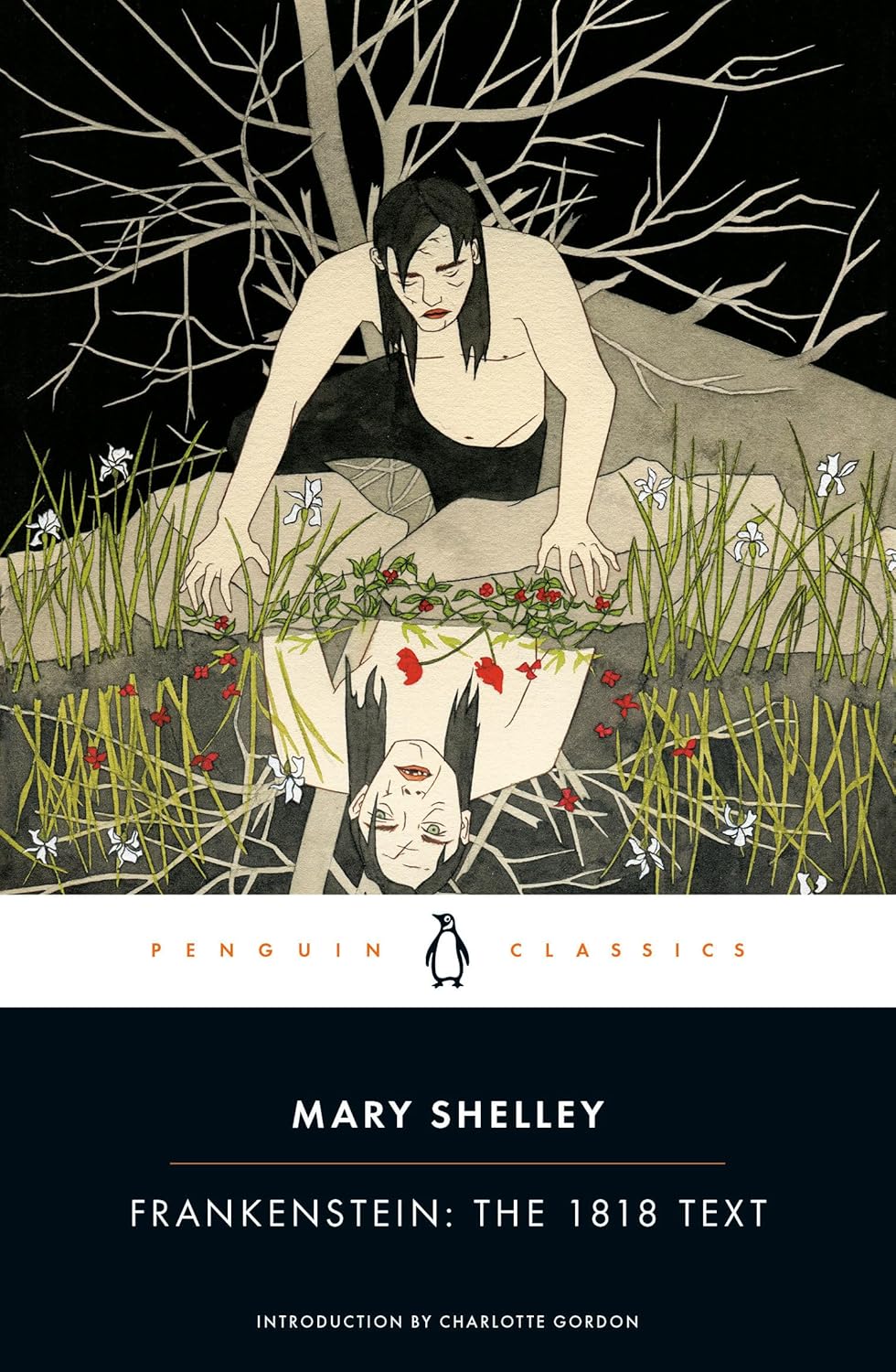
About this book
Driven by ambition and haunted by hubris, Victor Frankenstein dares to defy the natural order, piecing together a being from the fragments of death and breathing into it a twisted semblance of life. But his monstrous creation, rejected and reviled, unleashes a storm of terror and retribution upon its creator and all he holds dear.
In this original 1818 text, Mary Shelley's seminal work of gothic horror transcends mere monster story, delving into the depths of morality, scientific ambition, and the very essence of humanity. Explore the chilling consequences of playing God as Frankenstein's tragic tale unfolds, challenging us to confront the darkness within ourselves and the perils of unchecked innovation. A timeless masterpiece, Frankenstein continues to resonate, sparking debate and captivating readers with its haunting exploration of creation, responsibility, and the enduring power of love and vengeance.
Summary of Key Ideas
- •
The Perils of Playing God
The Dangers of Unchecked Ambition: Victor Frankenstein's relentless pursuit of scientific glory, driven by an insatiable desire to transcend human limitations, serves as a cautionary tale about the perils of unchecked ambition. His obsession blinds him to the potential consequences of his actions, leading to the creation of a being he cannot control. This key idea explores how the overreach of human ambition, particularly in the realm of science, can result in unforeseen and devastating outcomes, highlighting the importance of ethical considerations in the pursuit of knowledge. It warns against the hubris of believing one can, or should, play God without understanding the full implications.
- •
The Weight of Creation
The Burden of Responsibility: Victor's abandonment of his creation underscores the critical theme of responsibility. By shirking his duty to nurture and guide the creature, Victor sets in motion a tragic chain of events. The novel argues that creators, whether scientists or parents, have a moral obligation to care for their creations. Victor's failure to accept this responsibility leads to the creature's isolation, resentment, and eventual descent into violence. This highlights the importance of considering the ethical ramifications of scientific endeavors and the potential for harm when creations are left without guidance or support.
- •
The Monster of Loneliness
The Corrupting Influence of Isolation: The creature's experience of profound isolation is central to the novel's exploration of human nature. Rejected by his creator and shunned by society due to his monstrous appearance, the creature suffers immense loneliness. This isolation fuels his anger and resentment, ultimately leading him to seek revenge against Victor. The novel suggests that isolation can have a profoundly corrupting influence, turning even the most innocent beings towards darkness. It emphasizes the importance of connection, acceptance, and empathy in shaping individuals and preventing destructive behavior.
- •
Nature's Dual Embrace
The Power of Nature: Nature plays a significant role in the novel, offering both solace and sublime terror. Victor often seeks refuge in nature to escape his troubles, finding temporary peace in its beauty. However, nature also reflects the darker aspects of the story, with storms and harsh landscapes mirroring the turmoil within the characters. The sublime power of nature serves as a reminder of the limits of human control and the insignificance of individuals in the face of overwhelming forces. It highlights nature's indifference to human suffering and its capacity for both creation and destruction.
- •
Beyond the Grotesque: Defining the Real Monster
The Nature of Monstrosity: The novel challenges conventional notions of monstrosity, suggesting that true monsters are not always those with grotesque appearances. While the creature is initially perceived as a monster due to his physical form, his actions are largely driven by the cruelty and rejection he experiences. Victor, on the other hand, could be seen as the true monster, as his selfishness and irresponsibility lead to the suffering of others. The novel prompts readers to consider the role of society and circumstance in shaping character and to question whether monstrosity lies in appearance or behavior.
- •
The Double-Edged Sword of Knowledge
The Pursuit of Knowledge: Frankenstein delves into the ethical implications of the pursuit of knowledge, particularly in the scientific realm. Victor's thirst for scientific advancement leads him to tamper with the natural order, resulting in disastrous consequences. The novel raises questions about the limits of scientific inquiry and the responsibility that comes with unlocking the secrets of life and death. It suggests that knowledge without wisdom or ethical constraints can be a dangerous force, capable of unleashing unforeseen harm upon the world. This serves as a warning against prioritizing scientific progress above moral considerations.
- •
The Ties That Bind: Family and Belonging
The Importance of Family and Connection: The absence of familial love and social connection is a recurring theme that profoundly affects both Victor and his creation. Victor's strained relationship with his family, coupled with his self-imposed isolation during his scientific pursuits, contributes to his downfall. Similarly, the creature's rejection by society and his longing for companionship highlight the fundamental human need for belonging. The novel underscores the importance of nurturing relationships, fostering empathy, and providing a sense of community to prevent isolation and promote well-being. It warns against the dangers of prioritizing ambition over human connection.
- •
A Story Within a Story: Heeding the Warning
The Narrative as a Warning: Mary Shelley employs a nested narrative structure, framing Victor's story within Robert Walton's letters, to amplify the novel's cautionary message. Walton's own ambition to discover new lands mirrors Victor's scientific hubris, suggesting a recurring pattern of human ambition leading to peril. By presenting Victor's experiences as a warning to Walton, Shelley emphasizes the importance of learning from the mistakes of others. The novel thus becomes a meta-commentary on the dangers of unchecked ambition and the need for self-awareness and ethical responsibility in the pursuit of knowledge and exploration.
Chapter Recap

About The Author
Mary Shelley
Main Quotes
"There is something at work in my soul, which I do not understand."
"Nothing is so painful to the human mind as a great and sudden change."
"I have no friend, Margaret: when I am glowing with the enthusiasm of success, there will be none to participate my joy; if I am assailed by disappointment, no one will endeavour to sustain me."
"I was benevolent and good; misery made me a fiend. Make me happy, and I shall again be virtuous."
"Life, although it may only be a heap of anguish, is dearer to me than he will ever be."
"Beware; for I am fearless, and therefore powerful."
"If I cannot inspire love, I will cause fear!"
"You accuse me of murder; and yet you would, with a satisfied conscience, destroy your own creature."
"There is love in me, I assure you."
"I entreat you to hear me before you give vent to your hatred on my devoted head."
Who Should Read This Book
Students of classic literature.
Readers interested in Gothic horror.
Those studying Romanticism in literature.
Individuals fascinated by philosophical themes of creation, morality, and responsibility.
Readers interested in the history of science fiction.
Academics and literary scholars.
Readers who enjoy epistolary novels.
Fans of Mary Shelley and her family's literary circle.
Individuals interested in the social and political context of the early 19th century.
Readers seeking a challenging and thought-provoking read.
Book Summaries Like
Frankenstein: The 1818 Text

FAQ

Free Access to LitNotes