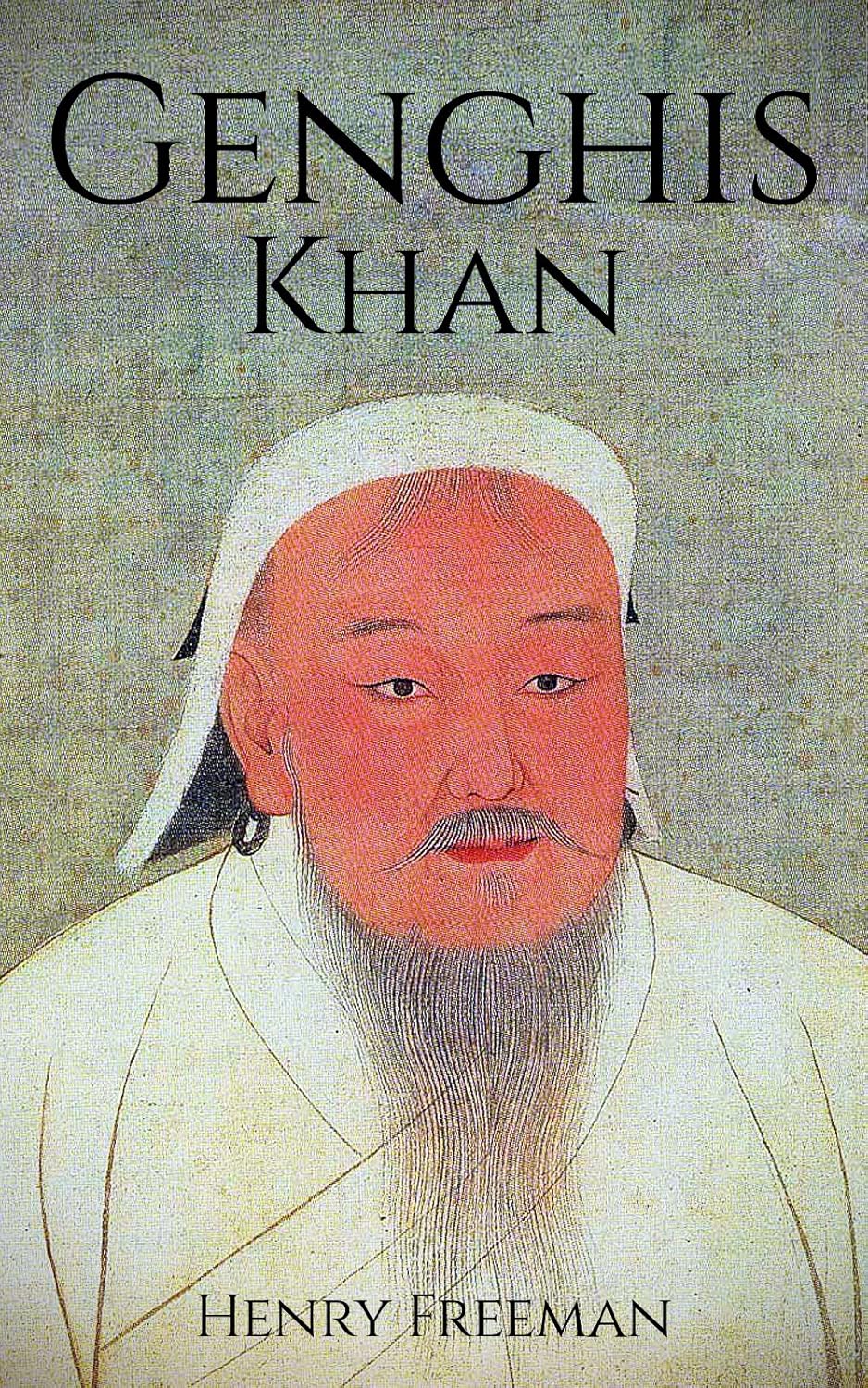
Genghis Khan

Henry Freeman

Full starFull starFull starFull star
4.1(1,341 Ratings)
Left wheat earsApple BooksRight wheat ears
3 Months Free TrialArrow right
Clock13 Min Reading Time
MicrophoneAudio Version Available
cover backgroundGenghis Khan

About this book

☆ Genghis Khan ☆ Genghis Khan was the most unlikely of conquerors. An orphan of the Mongolian Steppes, his rise went all but unnoticed by all the great powers around him. His people had been divided and discounted by the Chinese dynasties to his south and completely dismissed by the encroaching Islamic empires to his west. Inside you will read about... ✓ Mystery of the Steppes ✓ When Warriors Are Made ✓ Rites of Passage ✓ A Battle Against Shamanic Destiny ✓ United They Stand ✓ Throwing Sand at an Empire ✓ Genghis Khan’s Crusade ✓ The Last Days of Genghis Khan Known as little more than bandits and nomads, Genghis Khan and his Mongolian horde would shake Kings and Emperors to their very core as they descended like locusts upon all four corners of the known world.

Summary of Key Ideas

  • The Forging of a Leader Through Adversity

    From Orphan to Conqueror: Genghis Khan's unlikely rise to power is a central theme. Born Temujin, he faced immense hardship early in life, including the murder of his father and abandonment by his tribe. This adversity forged his character and instilled in him a relentless drive for survival and leadership. The book likely explores how these early experiences shaped his worldview and fueled his ambition to unite the Mongol tribes.

  • Forging Unity from Division

    Unification of the Mongol Tribes: A core idea is the unification of the disparate Mongol tribes under a single banner. Prior to Genghis Khan, these tribes were constantly warring with each other, weakening them and making them vulnerable to external threats. The book probably details his strategic brilliance and political maneuvering in bringing these tribes together, creating a powerful and cohesive fighting force. This unification was the foundation upon which the Mongol Empire was built.

  • Revolutionizing Warfare

    Military Innovation and Strategy: The book likely emphasizes Genghis Khan's innovative military strategies and tactics. He revolutionized warfare by organizing his army into highly mobile and disciplined units. He also implemented sophisticated logistical systems and intelligence networks that allowed his forces to operate effectively over vast distances. These military innovations were key to his success in conquering a vast empire.

  • Building a Global Empire

    The Mongol Empire: The establishment and expansion of the Mongol Empire is undoubtedly a primary focus. The book would cover the key campaigns and conquests that led to the empire's growth, including the subjugation of northern China, Central Asia, and Persia. It would also likely discuss the impact of Mongol rule on the conquered territories and the long-term consequences of their expansion.

  • The Cost of Conquest

    Ruthlessness and Brutality: Acknowledging the darker side of Genghis Khan's legacy is crucial. The book probably addresses the widespread destruction and loss of life that accompanied his conquests. While he brought stability and order to some regions, his campaigns were often marked by extreme violence and brutality. This aspect of his reign is essential to understanding the full scope of his impact on history.

  • A Complex and Enduring Legacy

    Legacy and Impact: The book likely examines Genghis Khan's lasting legacy and impact on the world. Despite his reputation for ruthlessness, he also implemented policies that promoted trade, religious tolerance, and cultural exchange. The Mongol Empire facilitated the movement of goods, ideas, and people across Eurasia, contributing to globalization. His impact on warfare, politics, and culture continues to be felt today.

Chapter Recap

Part 1Henry Freeman’s narrative begins by illuminating the profound, yet often overlooked, impact of Genghis Khan on global history. Born Temujin in 1162, a time when Mongolia was a disparate collection of tribes, his ascendance marked a dramatic shift, transforming these nomadic groups into the world's m
Read MoreArrow right

About The Author

Henry Freeman

Main Quotes

"I break my word, then let me be as the water of the river."

"What shall be said of a man who will make a promise at dawn and break it at nightfall?"

Who Should Read This Book

Readers interested in historical biographies

Individuals fascinated by military history and conquest

Those curious about Mongolian history and culture

Readers seeking an accessible introduction to Genghis Khan's life

People who enjoy books that explore leadership and empire-building

Book Summaries Like

Genghis Khan
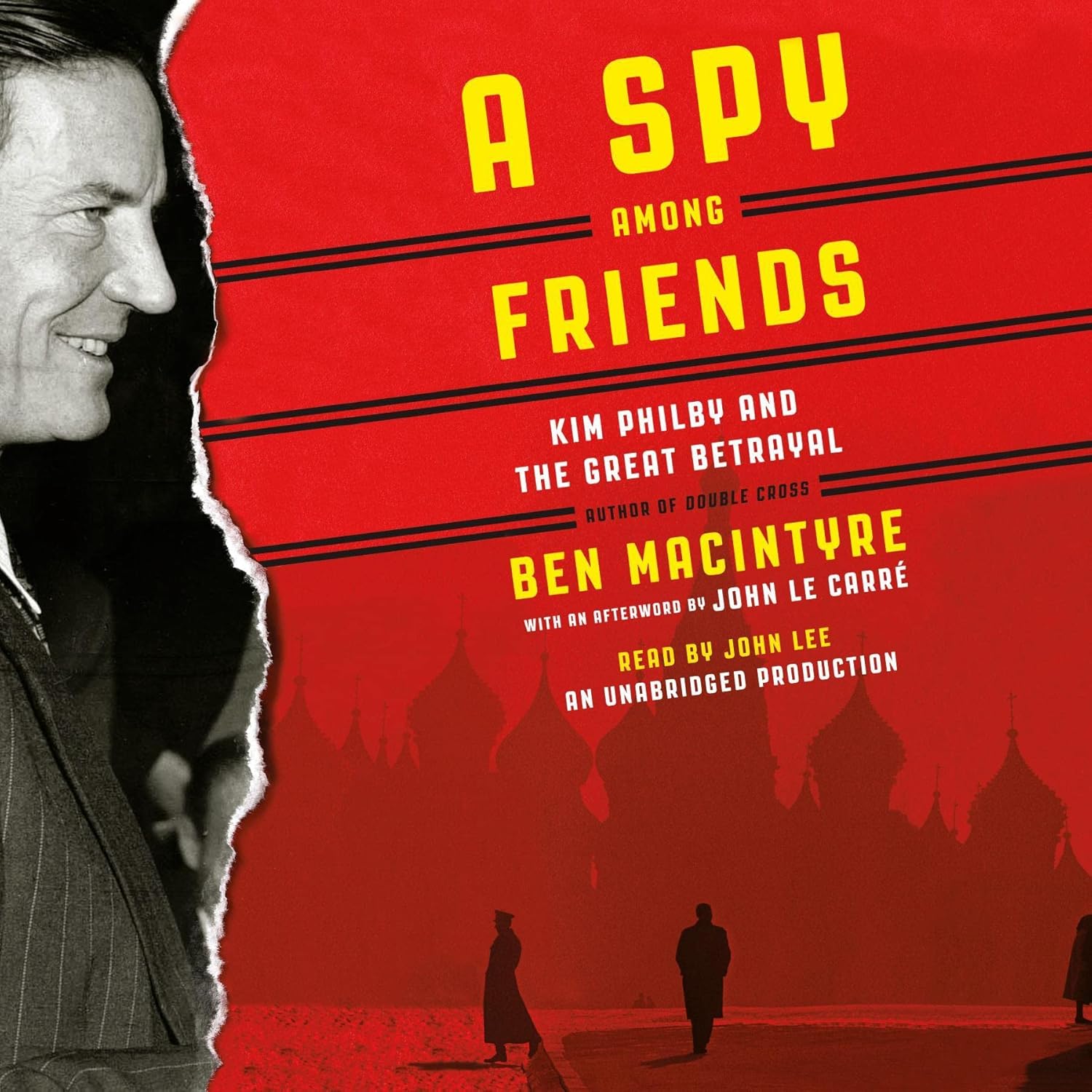

cover backgroundA Spy Among Friends

A Spy Among Friends

Ben Macintyre, John Lee

In the treacherous landscape of the Cold War, Kim Philby, a British intelligence officer, rose to the pinnacle of MI6, all while secretly serving as a double agent for the Soviet Union. Ben Macintyre masterfully unveils this true story of betrayal, loyalty, and deception, focusing on Philby's intimate relationships with Nicholas Elliott, his MI6 colleague and closest friend, and James Jesus Angleton, the CIA's counterintelligence chief.

To Elliott and Angleton, Philby was a trusted confidant, a fellow member of their exclusive world. Unbeknownst to them, every secret shared, every strategy discussed, was immediately relayed to Moscow, compromising countless Anglo-American spy operations and costing numerous lives.

Based on personal papers and newly declassified British intelligence files, A Spy Among Friends explores how Philby managed to maintain his facade for so long, and the devastating impact of his exposure on those who believed in him most. More than just a spy story, it's a gripping psychological portrait of a man who betrayed his friends, his country, and the very ideals he swore to protect. Now a major series starring Damian Lewis and Guy Pearce.

cover background1776

1776

David McCullough

From the Pulitzer Prize-winning author of "Truman" and "John Adams" comes a breathtakingly vivid account of America's pivotal year. 1776 unveils the gripping story of how disparate colonies forged themselves into a nation, even as the British Empire sought to crush the burgeoning rebellion.

David McCullough masterfully interweaves the personal struggles and monumental decisions that defined this turning point, bringing to life the extraordinary individuals who shaped history. Witness the transformation of ordinary citizens—farmers, schoolteachers, and mere boys—into the Continental Army, as they march alongside General George Washington, a leader facing his first command. Feel the weight of the American cause, balanced precariously on their success.

Based on extensive research from both American and British archives, 1776 is a stirring narrative of courage and resilience. Discover the stories of unsung heroes like Nathanael Greene and Henry Knox, and gain a new understanding of the King's men, the British redcoats, and their underappreciated valor. Experience the drama, the sacrifices, and the sheer audacity of a nation fighting for its very existence.

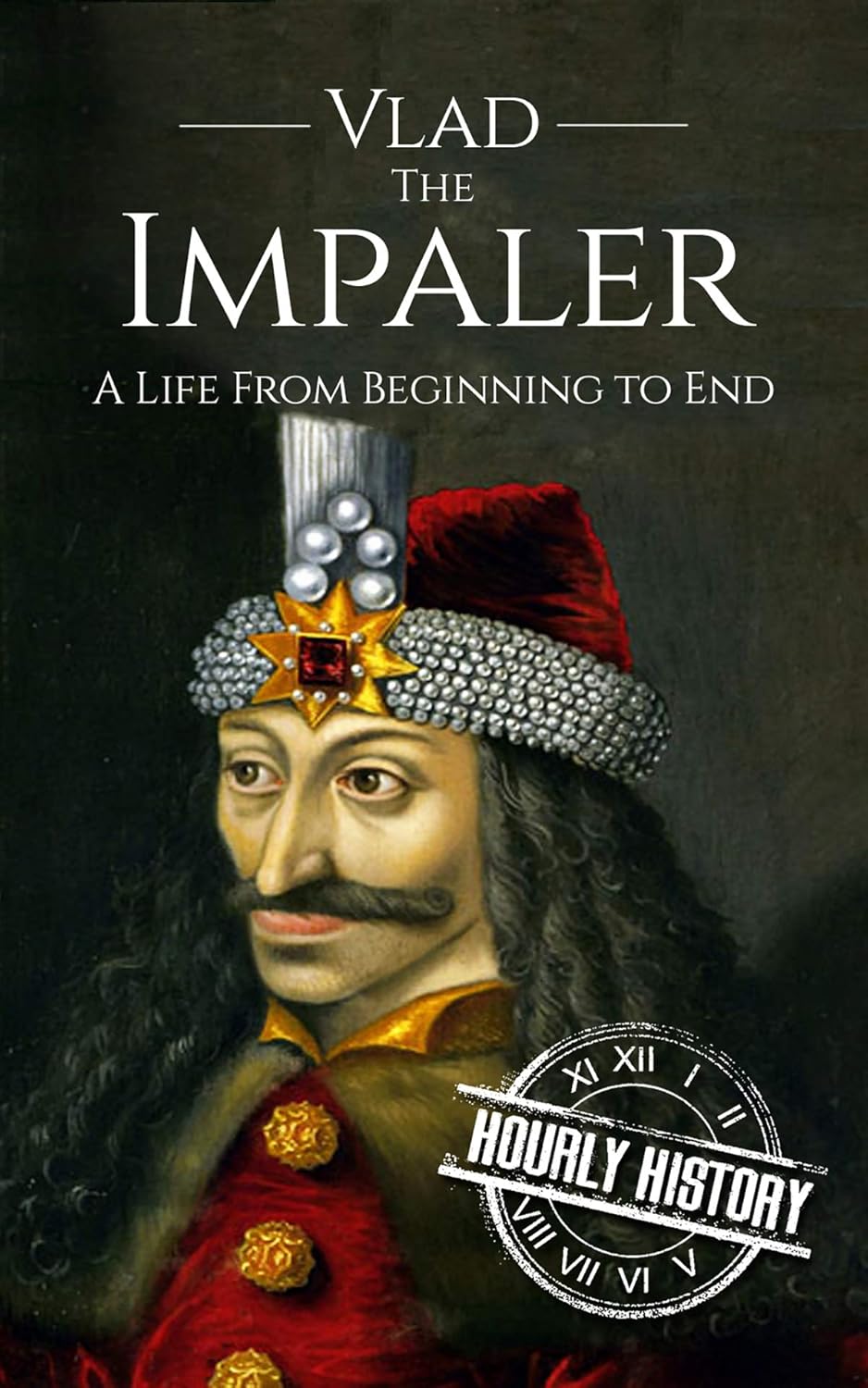
cover backgroundVlad the Impaler

Vlad the Impaler

Hourly History

Uncover the truth behind the legend. Count Dracula, the dark, seductive figure of Bram Stoker's creation, has captivated imaginations for over a century. But is there a real-life counterpart to this immortal villain?

Many historians believe the answer lies with Vlad III Dracula, also known as Vlad the Impaler. Feared throughout Western Europe for his brutal methods, particularly his infamous penchant for impaling his enemies, Vlad is estimated to have killed between 40,000 and 100,000 people in his ruthless defense against the expanding Ottoman Empire. He spared no one, ruling his own people with an iron fist and reportedly reveling in their torment.

But the story of Vlad the Impaler is far more complex than the gruesome tales suggest. A product of his turbulent times, he was both a cruel tyrant and a celebrated hero in Romania, revered as a protector of his people.

Delve into the life and times of this controversial figure and discover:

  • Vlad's formative years and family history.
  • His ascent to power and first reign.
  • His brutal war against the Ottomans.
  • Imprisonment, his third reign, and death.
  • Vlad Dracula's lasting legacy.
  • The link between Vlad the Impaler and the fictional Count Dracula.

Explore the dichotomy of Vlad the Impaler, the man, the myth, and the legend that inspired one of literature's most iconic villains.

cover backgroundThe Gulag Archipelago 1918-1956

The Gulag Archipelago 1918-1956

Aleksandr I. Solzhenitsyn

A searing exposé of Soviet repression, Aleksandr I. Solzhenitsyn's The Gulag Archipelago 1918-1956 stands as a towering literary monument to the millions who suffered within its vast network of prisons and labor camps. Drawing upon his own harrowing experiences, the testimonies of over two hundred fellow prisoners, and secret Soviet archives, Solzhenitsyn unveils the brutal machinery of a state built on terror.

Within these pages, encounter the faces of the Gulag: men, women, and children caught in the gears of a merciless system. Witness the chilling reality of secret police operations, the uprooting of entire populations, and the unspeakable conditions endured by those deemed enemies of the state. Yet, amidst the darkness, discover the unbreakable spirit of humanity—the extraordinary courage and moral resistance that flickered in the hearts of the defenseless.

More than a historical record, The Gulag Archipelago is a literary masterpiece that transformed the world's understanding of Soviet Russia and cemented Solzhenitsyn's place as one of the most important voices of the 20th century. This abridged edition features a new foreword by Anne Applebaum, reflecting on the book's enduring legacy and its impact on the world we live in today.

FAQ