




 DISCORD
Girl in Pieces
Kathleen Glasgow


 Barnes & Noble Bestsellers


 68 Min Reading Time
 Audio Version Available
About this book
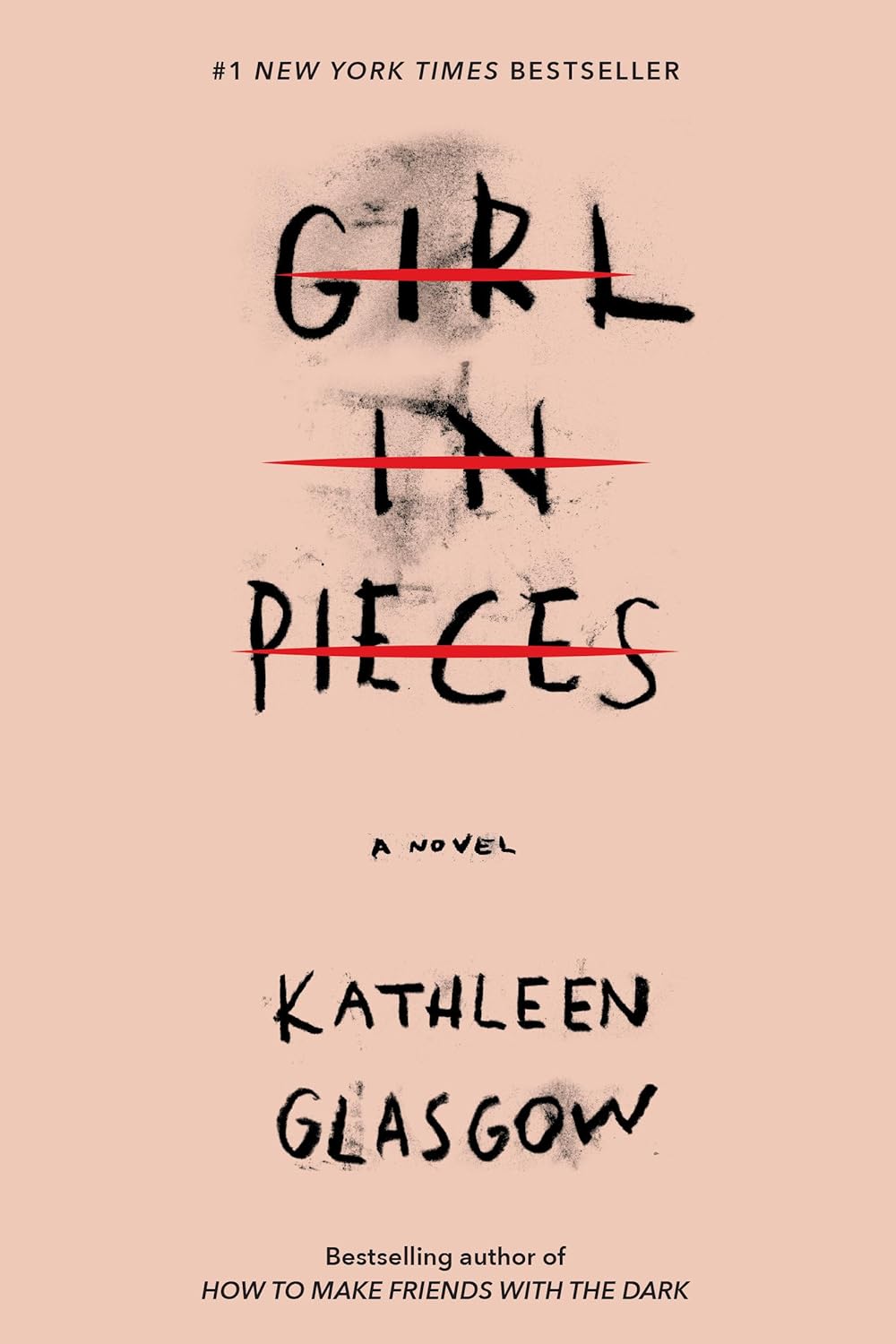
Charlotte Davis is a girl in pieces. At seventeen, she's already survived more than most do in a lifetime. After a suicide attempt lands her in a psychiatric hospital, Charlie is released with no resources and a desperate need to put herself back together. Haunted by trauma and loss, she navigates a dark world of poverty, addiction, and fleeting connections.
Stripped bare and fighting to stay afloat, Charlie clings to art as her anchor, seeking solace in sketching and writing. As she struggles to find her place, she confronts the painful reality of her past and battles the urge to self-destruct. In this raw and unflinching portrayal of mental illness, Charlie discovers that healing is possible, even when life feels impossible. "Girl in Pieces" is a powerful and ultimately hopeful story about resilience, recovery, and the courage it takes to face your demons and fight for a future.
Summary of Key Ideas
- •
The Enduring Impact of Trauma
The novel unflinchingly confronts the harsh realities of trauma, particularly its long-lasting effects on young people. Charlie's past is riddled with abuse, neglect, and loss, which significantly contribute to her self-harm and mental instability. The book emphasizes how deeply rooted trauma can manifest in self-destructive behaviors, highlighting the urgent need for understanding and effective treatment for individuals struggling with similar experiences. Glasgow avoids sugarcoating the painful truths, presenting a raw and honest portrayal of the challenges faced by survivors.
- •
Navigating Self-Harm and its Complexities
Self-harm is a central theme, explored through Charlie's struggles with cutting as a coping mechanism. The book delves into the complex reasons behind self-harm, portraying it not as attention-seeking behavior but as a desperate attempt to regain control, release emotional pain, or feel something other than numbness. Glasgow’s sensitive depiction aims to foster empathy and understanding, challenging stigmas associated with self-harm and emphasizing the importance of seeking professional help. The novel illustrates the cyclical nature of self-harm, highlighting the difficulties in breaking free from this destructive pattern.
- •
The Difficult Road to Recovery
The arduous journey toward healing is a major focus, depicting recovery as a non-linear and often painful process. Charlie's path is marked by setbacks, relapses, and moments of despair, but also by small victories and glimmers of hope. The novel underscores the importance of therapy, medication, and supportive relationships in navigating mental health challenges. It realistically portrays the effort and resilience required to confront inner demons and rebuild a life shattered by trauma. Ultimately, the book offers a message of hope, suggesting that healing is possible, even amidst immense suffering.
- •
The Power of Connection and Support
The novel highlights the vital role of human connection and support systems in overcoming adversity. Charlie's relationships with other patients, therapists, and newfound friends provide her with a sense of belonging and validation. These connections offer her a lifeline, helping her to feel less alone in her struggles and giving her the strength to keep fighting. The book emphasizes that healing is not a solitary endeavor and that having supportive and understanding individuals can make a significant difference in one's recovery journey. It underscores the importance of community and empathy in fostering mental well-being.
- •
Finding Identity Amidst Trauma
Identity and self-discovery are interwoven throughout Charlie's journey as she grapples with understanding who she is beyond her trauma and self-harm. Stripped of her sense of self, she embarks on a quest to redefine herself and find meaning in her life. Art, particularly drawing, becomes a means of self-expression and exploration, allowing her to process her emotions and experiences. The novel emphasizes the importance of self-acceptance and self-compassion in building a positive self-image. It shows that healing involves not only addressing past wounds but also discovering one's strengths, passions, and values.
- •
The Indomitable Spirit of Resilience
The theme of resilience is powerfully demonstrated through Charlie's determination to survive and rebuild her life despite facing overwhelming odds. Her journey is a testament to the strength of the human spirit and the capacity to overcome adversity. Despite experiencing immense pain and loss, Charlie refuses to be defined by her trauma. She actively seeks help, makes difficult choices, and confronts her inner demons, showcasing her unwavering commitment to healing. The novel inspires readers to recognize their own resilience and to believe in their ability to persevere through challenging times.
- •
Social Inequalities and Mental Health
The narrative explores the pervasive issue of social inequalities and their impact on mental health. Charlie's struggles are compounded by her lack of resources, unstable living conditions, and experiences with systemic failures. The book sheds light on how poverty, lack of access to healthcare, and societal prejudices can exacerbate mental health challenges. It underscores the need for equitable access to mental health services and for addressing the social determinants of health to promote well-being for all individuals, regardless of their socioeconomic background.
- •
Finding Hope in the Darkness
The book subtly emphasizes the importance of hope, even in the darkest of times. While the narrative is often bleak and realistic, it also offers glimpses of possibility and potential for a better future. Charlie's small victories, her growing connections with others, and her unwavering determination to heal all contribute to a sense of hope amidst despair. The novel suggests that even when life seems unbearable, there is always a reason to keep fighting and that healing and happiness are attainable, even if they seem distant. This theme reinforces the message of resilience and the potential for positive change.
Chapter Recap

About The Author
Kathleen Glasgow
American author
Main Quotes
"“Everyone has that moment I think, the moment when something so momentous happens that it rips your very being into small pieces. And then you have to stop.”"
"I'm so lonely in the world, I want to peel all my flesh off and walk, just bone and gristle, straight into the river, to be swallowed."
"You can't own my soul. What I have, I made, what I have is mine."
"The moral of the story, Charlie, is this: Don't let the cereal eat you. It's only a fucking box of cereal, but it will eat you alive if you let it."
"That's how hearts get broken, you know. When you believe in promises."
"You can't spot girls like me; we're harder to see."
"I cut because I can't deal. It's as simple as that. The word becomes an ocean, the ocean washes over me, the sound of water is deafening, the water drowns my insides."
"People think you have a choice, that you can stop anytime. You can't. Not really."
"“Maybe we are all damaged. Maybe that's what it takes to get out of bed in the morning.”"
"“What’s the point of washing if you’re just going to get dirty again?”"
Who Should Read This Book
Young adults (ages 14+)
Readers interested in contemporary realistic fiction
Individuals who appreciate books dealing with mental health issues such as self-harm, trauma, and recovery
Those who enjoy character-driven stories
Readers who connect with stories about resilience and self-discovery
Individuals who have experienced similar struggles or know someone who has
Fans of authors like Laurie Halse Anderson (Speak) and Susanna Kaysen (Girl, Interrupted)
Readers looking for books that explore themes of identity, art, and healing
Book Summaries Like
Girl in Pieces




FAQ

Free Access to LitNotes