




 DISCORD
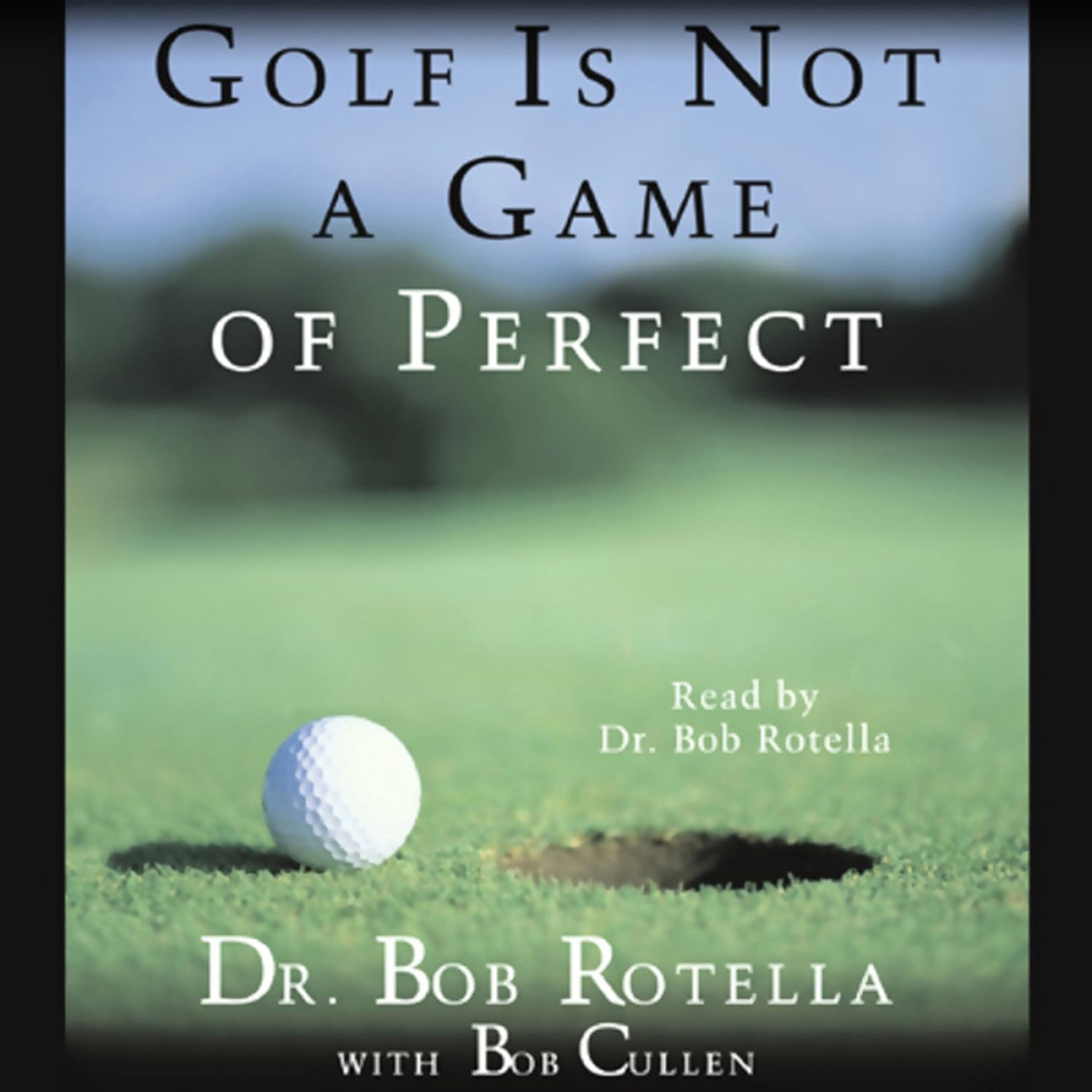
Golf is Not a Game of Perfect
Robert J. Rotella


 Apple Books


 76 Min Reading Time
 Audio Version Available
About this book
Unlock your golfing potential with Golf is Not a Game of Perfect by renowned sports psychologist Dr. Bob Rotella. This isn't a book about swing mechanics; it's a guide to cultivating the mindset of a champion. Rotella reveals how to think like a great golfer, teaching you to embrace imperfection, develop unwavering self-confidence, and focus on the process rather than the elusive pursuit of flawless shots.
Through engaging anecdotes and practical advice, you'll learn to eliminate negative thoughts, trust your instincts, and develop a positive attitude that will transform your game. Discover how to handle pressure, overcome adversity, and ultimately, enjoy the game more. Whether you're a seasoned player or a weekend enthusiast, Golf is Not a Game of Perfect will help you master the mental game and achieve lasting success on the course.
Summary of Key Ideas
- •
Acceptance of Imperfection
Embrace Imperfection: The core philosophy of the book is that golf, unlike many pursuits, cannot be mastered to a state of perfection. Rotella emphasizes that golfers must accept mistakes as inevitable parts of the game. Trying to eliminate errors completely leads to anxiety and hinders performance. Instead, players should focus on managing their reactions to errors and maintaining a positive attitude, recognizing that even the best golfers make mistakes regularly. This acceptance allows for a more relaxed and confident approach to the game.
- •
Process Over Outcome
Focus on the Process, Not the Outcome: Rotella advocates for a shift in focus from the end result (the score) to the process of playing each shot. By concentrating on elements within your control, such as pre-shot routine, visualizing the shot, and trusting your swing, golfers can minimize distractions and play more freely. Overemphasizing the outcome creates pressure and tension, while a process-oriented approach fosters consistency and enjoyment. This involves setting realistic goals for each round and celebrating small victories in execution.
- •
The Power of Positive Thinking
Cultivate a Positive and Confident Mindset: Confidence is paramount in golf, and Rotella provides strategies for building and maintaining a positive mental attitude. This includes self-affirmation, visualizing successful shots, and focusing on past successes rather than dwelling on failures. A confident mindset allows golfers to approach challenging situations with greater resilience and make better decisions under pressure. Rotella stresses the importance of believing in one's abilities and trusting one's instincts on the course.
- •
The Art of Visualization
Visualize Success: Rotella highlights the effectiveness of visualization in enhancing performance. By mentally rehearsing successful shots and positive outcomes, golfers can program their subconscious mind for success. This involves creating vivid mental images of the ball flying towards the target, feeling the sensation of a smooth swing, and experiencing the satisfaction of a well-executed shot. Regular visualization can improve focus, reduce anxiety, and increase confidence on the course. Visualization is about creating a clear mental blueprint for success.
- •
Trust and Instinct
Trust Your Instincts and Abilities: Overthinking can be detrimental to a golfer's performance. Rotella encourages players to trust their natural abilities and avoid excessive analysis during the swing. This involves quieting the mind, letting go of technical thoughts, and allowing the body to perform instinctively. By trusting their instincts, golfers can swing more freely and react more effectively to changing conditions. This trust comes from practice and preparation, which builds confidence in one's abilities.
- •
Embracing Challenges
Embrace Challenges and Difficult Situations: Rotella advises golfers to view challenges as opportunities for growth rather than sources of frustration. Difficult lies, challenging weather conditions, and high-pressure situations are all part of the game. By embracing these challenges and maintaining a positive attitude, golfers can develop resilience and improve their ability to perform under pressure. This involves reframing negative thoughts, focusing on solutions, and viewing setbacks as temporary obstacles.
- •
The Importance of Routine
Develop a Pre-Shot Routine: Establishing a consistent pre-shot routine is crucial for maintaining focus and consistency on the course. Rotella emphasizes that a well-defined routine helps golfers clear their minds, visualize the shot, and prepare mentally and physically for each swing. This routine should include elements such as assessing the lie, selecting the club, visualizing the shot trajectory, and taking a few practice swings. A consistent routine promotes a sense of calm and control, allowing golfers to execute their shots with greater confidence.
- •
Staying in the Present
Stay Present and Avoid Dwelling on the Past: Golfers often get caught up dwelling on past mistakes or worrying about future outcomes, which detracts from their ability to focus on the present shot. Rotella stresses the importance of staying in the present moment and focusing on the task at hand. This involves letting go of past errors, avoiding future predictions, and concentrating on the current shot. By staying present, golfers can minimize distractions and maximize their performance on each shot.
- •
Learning and Moving Forward
Learn from Mistakes and Move On: While accepting mistakes is important, Rotella also emphasizes the value of learning from them. After a poor shot, golfers should take a moment to analyze what went wrong and identify areas for improvement. However, it is equally important to avoid dwelling on the mistake and move on to the next shot with a positive attitude. This involves a process of reflection, adjustment, and renewed focus. By learning from mistakes and moving on, golfers can prevent negative experiences from derailing their entire round.
Chapter Recap

About The Author
Robert J. Rotella
Main Quotes
"Confidence is believing in your ability to perform, even when you're not at your best."
"Good golfers have to get over the notion that they only want to win by hitting perfect shots. They have to learn to enjoy winning ugly."
"Play boldly. Be aggressive. Think of yourself as better than your competition."
"The key to performance under pressure is knowing that the real pressure lies within you."
"Success depends far more on realistically knowing where you're starting from than on knowing where you want to end up."
"Golf is a game of misses. The player who misses best wins."
"The mind is everything. If you don't believe you can do something then you can't."
"Beating yourself up is self-defeating."
"Picture the shot you want to hit. See it clearly in your mind. Feel it. Trust it."
"Hit the shot you know you can hit instead of the one you think you need to."
Who Should Read This Book
Golfers of all skill levels seeking to improve their mental game
Golfers struggling with perfectionism and its impact on their performance
Golfers interested in sports psychology and its application to golf
Coaches and instructors looking for insights into the mental aspects of golf
Individuals seeking a more enjoyable and less frustrating experience on the golf course
Readers of self-help books focused on performance enhancement
Book Summaries Like
Golf is Not a Game of Perfect

FAQ

Free Access to LitNotes