




 DISCORD
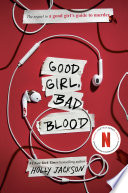
Good Girl, Bad Blood
Holly Jackson

 Barnes & Noble Bestsellers


 60 Min Reading Time
 Audio Version Available
About this book
Pip Fitz-Amobi is done with the detective game. After solving the infamous Andie Bell case, she's determined to live a normal life. But normal is hard to come by in Little Kilton. When Jamie Reynolds disappears, Pip finds herself unwillingly drawn back into the world of crime. Jamie’s disappearance is quickly dismissed by the police, but Pip can't shake the feeling that something sinister is at play.
Forced to confront the darkness she thought she'd left behind, Pip, with the reluctant help of Ravi, starts a new investigation, chronicling her findings in a true-crime podcast. As she digs deeper, secrets begin to surface, painting a disturbing picture of Jamie and the events leading up to his vanishing. But someone in Little Kilton doesn't want Pip meddling, and they'll do anything to keep the truth buried. With threats escalating and the clock ticking, Pip must decide how far she's willing to go to find Jamie and expose the dark secrets lurking beneath the surface of her seemingly perfect town. But will she like what she finds? And can she protect herself from a killer who's always one step ahead?
Summary of Key Ideas
- •
The Burden of Unwanted Responsibility
The Reluctant Detective: Pip's initial reluctance to dive back into detective work forms a central theme. After the Andie Bell case, she vowed to leave mysteries behind, but circumstances force her hand when Jamie Reynolds disappears. This highlights the personal cost of investigations and the difficulty of escaping the role others have assigned to her. Her internal conflict showcases the burden of responsibility and the struggle to balance personal well-being with helping others, setting the stage for a narrative driven by moral obligation and the weight of past experiences.
- •
Ethical Boundaries in True Crime
The Murky Ethics of True Crime: The novel explores the ethical complexities of true crime as entertainment. Pip uses her podcast as a means to investigate Jamie's disappearance, but quickly realizes the potential for exploitation and sensationalism. This theme questions whether true crime can ever be truly ethical, especially when it involves real people and their tragedies. It highlights the delicate balance between seeking justice and respecting the privacy and pain of victims and their families. Jackson subtly critiques the media's often insensitive portrayal of crime, urging readers to consider the human cost behind the stories.
- •
Moral Ambiguity and Justifiable Actions
The Fine Line Between Right and Wrong:
- •
The Complicated World of Teenage Crime
Youth Involvement in Serious Crimes: The story explores how young people can be involved in serious crimes. The book delves into the reasons and motivations of youths who might be accomplices or perpetrators, examining issues like peer pressure, loyalty, and the desire for acceptance. This theme adds a layer of complexity to the narrative, inviting readers to understand the circumstances that lead young individuals down a dangerous path and consider the consequences of their actions.
- •
Navigating the Digital Court of Public Opinion
The Power of Social Media and Public Opinion: Social media plays a crucial role in shaping public perception and influencing the investigation. Pip uses her online presence to gather information and rally support, but also faces the dangers of misinformation and online harassment. This theme underscores the double-edged sword of social media, showing how it can be a powerful tool for justice but also a breeding ground for speculation and judgment. The novel highlights the importance of critical thinking and responsible online behavior in the age of instant information.
- •
Sacrifice and the Relentless Pursuit
The High Cost of Unearthing Truth: Pip's relentless pursuit of the truth comes at a personal cost, endangering herself and her loved ones. As she digs deeper into the mystery, she faces threats, intimidation, and moral dilemmas that force her to question her methods and motivations. This theme emphasizes the sacrifices involved in seeking justice and the potential for uncovering truths that are better left buried. It portrays the psychological toll of investigations and the difficult choices one must make when confronted with danger and uncertainty.
- •
The Emotional Toll of Trauma and Investigation
Conflicting Emotions and Mental Health: The book delves into Pip's conflicting emotions as she grapples with the aftermath of her previous case and the stress of a new investigation. Investigating the Andy Bell case put her and her family in harm's way while also consuming a great deal of her mental energy. The narrative acknowledges the mental health challenges that can arise from trauma and the importance of seeking support and coping mechanisms. This adds a layer of realism to the story, reminding readers that even the strongest individuals can struggle with their emotional well-being.
- •
The Dangers of Sensationalism
Sensationalism and Reporting on Murder: The problem of sensationalism when it comes to reporting on murder is a crucial thematic element of the novel. It highlights the ethical considerations for journalists and media outlets when covering sensitive cases and underscores the responsibility to avoid exploiting tragedy for entertainment. This theme encourages readers to think critically about the way crime is portrayed in the media and the impact it has on victims, families, and communities.
Chapter Recap

About The Author
Holly Jackson
Main Quotes
"“I think we all get to decide what good and bad and right and wrong mean to us, not what we're told to accept. You did nothing wrong. Don't beat yourself up for other people's mistakes.""
"“This case almost consumed me; I could only see that once I was out the other side.”"
"“You think you'd know what a killer sounds like. That their lies would have a different texture, some barely perceptible shift. A voice that thickens, grows…”"
"“The gun. It was here now, beating within her chest, knocking against her ribs. Aiming with her eyes. It was in nightmares, and crashing pans, and heavy ...”"
"“But sometimes my mouth starts saying words without checking with my brain first.”"
"“And, finally, to all the girls who've ever been doubted or not believed. I know how that feels. These books are for all of you.”"
""You need to draw people in, intrigue them. Have a word like 'kill' or 'dead' in there.”"
"“Secrets leave a mark. No matter how hard you try to bury them, they always leave a mark.”"
"“I am never ever doing this again. Seriously. This is it.”"
"“Maybe that’s the point of all this. Of living. You can’t predict the future. You just have to be ready for it.”"
Who Should Read This Book
Young adults (ages 13-19)
Fans of young adult mystery and thriller novels
Readers who enjoy fast-paced, suspenseful stories
Those who like strong female protagonists
Individuals interested in podcasts and true crime
Readers of the "A Good Girl's Guide to Murder" series
Fans of Holly Jackson's writing style
Book Summaries Like
Good Girl, Bad Blood
FAQ

Free Access to LitNotes