




 DISCORD
Harry Potter and the Chamber of Secrets
J. K. Rowling


 Amazon Best Sellers
 Apple Books


 53 Min Reading Time
 Audio Version Available
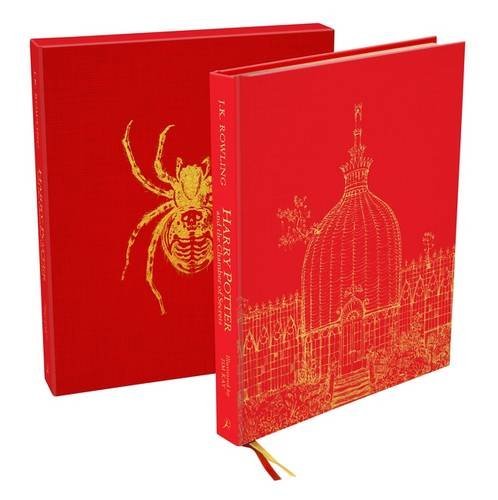
About this book
Harry Potter's second year at Hogwarts School of Witchcraft and Wizardry promises to be anything but ordinary. A summer filled with ominous warnings from a peculiar house-elf named Dobby foreshadows a year of dark secrets and mounting danger. Back within the castle walls, Harry hears whispers echoing through the corridors, and students are mysteriously being Petrified.
As fear grips the school, Harry, Ron, and Hermione find themselves caught in a perilous race against time. With the aid of a magical diary and a new, flamboyant Defense Against the Dark Arts teacher, Gilderoy Lockhart, they must unravel the truth behind the Chamber of Secrets and confront a sinister force that threatens to consume Hogwarts. Could Harry's ability to speak Parseltongue, the language of snakes, be the key to unlocking the chamber, or will it lead his friends to suspect he is the heir of Slytherin?
Summary of Key Ideas
- •
The Perils of Prejudice and Discrimination
The theme of prejudice is strongly explored through the discrimination against Muggle-born witches and wizards. The fear and animosity directed towards those of non-magical descent is mirrored in the historical context of real-world prejudice. This highlights the dangers of judging individuals based on their origins rather than their character or abilities. The Chamber of Secrets, opened by someone believing in pure-blood supremacy, symbolizes the destructive consequences of such beliefs. This key idea serves as a cautionary tale about the importance of tolerance and understanding.
- •
The Power of Friendship and Loyalty
Loyalty and friendship are tested and strengthened throughout the novel. Harry, Ron, and Hermione face numerous challenges that require them to trust and support each other implicitly. Their unwavering bond is a source of courage and resilience, enabling them to overcome obstacles that would be insurmountable alone. Dobby's loyalty to Harry, despite the consequences he faces, exemplifies the power of true allegiance. These relationships highlight the importance of companionship and mutual support in navigating difficult times, emphasizing that friendship can be a powerful force against adversity.
- •
Identity and the Burden of Inheritance
Harry's ability to speak Parseltongue, the language of snakes, raises questions about his connection to Slytherin and the dark arts. This inherited trait causes suspicion and fear among his peers, forcing him to confront his identity and the expectations placed upon him. The narrative explores the idea that inherent abilities do not define a person's character and that individuals have the agency to choose their own path, regardless of their lineage or talents. Harry's ultimate rejection of the dark side reinforces the importance of making moral choices.
- •
The Importance of Choices
The novel emphasizes the significance of making choices, particularly in the face of adversity. Harry's decision to confront the basilisk and protect his friends demonstrates his bravery and commitment to doing what is right. Dumbledore's words, "It is our choices, Harry, that show what we truly are, far more than our abilities," encapsulate this theme. The characters' actions underscore that individuals are defined not by their inherent qualities but by the decisions they make and the values they uphold.
- •
The Impact of Fear and How to Overcome It
Fear is a pervasive element in the story, influencing the behavior of both students and teachers. The fear of the unknown, fueled by rumors and misinformation, creates an atmosphere of suspicion and paranoia within Hogwarts. The petrification of students amplifies this fear, threatening the sense of safety and security. The novel suggests that fear can be a powerful tool for manipulation and control, but it can be overcome through courage, knowledge, and the support of others. Characters learn to confront their fears and stand up against the forces that seek to exploit them.
- •
The Eternal Battle Between Good and Evil
The theme of good versus evil is a recurring motif throughout the Harry Potter series, and it is prominently featured in "The Chamber of Secrets." Harry's confrontation with Tom Riddle (the young Voldemort) in the Chamber represents a direct clash between these opposing forces. The novel illustrates the insidious nature of evil and its ability to corrupt and manipulate. It also highlights the importance of resisting the allure of darkness and fighting for what is right, even when faced with overwhelming odds. Ultimately, good triumphs over evil through courage, sacrifice, and the power of love.
Chapter Recap

About The Author
J. K. Rowling
Main Quotes
""There is no need to call me 'sir,' Professor," said Lockhart, beaming at them."
""Fame is a fickle friend, Harry. Celebrity is as celebrity does. Remember that.""
""It is not our abilities that show what we truly are, it is our choices.""
""Books! And cleverness! There are more important things -- friendship and bravery.""
""You will find that help will always be given at Hogwarts to those who ask for it.""
""Dobby has heard of your greatness, sir, but of your goodness, Dobby never knew.""
""Fear of a name increases fear of the thing itself.""
""Never trust anything that can think for itself if you can't see where it keeps its brain.""
""It is our choices, Harry, that show what we truly are, far more than our abilities.""
""Of course, I can see why some would think of me as an unsung hero.""
Who Should Read This Book
Children aged 9-14
Fans of fantasy and adventure stories
Readers who enjoy themes of friendship, courage, and good vs. evil
Parents and educators looking for engaging books for young readers
Individuals who appreciate magical worlds and imaginative storytelling
Readers of the first "Harry Potter" book wanting to continue the series
People interested in boarding school settings and mysteries
Those who enjoy stories with mythical creatures and suspenseful plots
Book Summaries Like
Harry Potter and the Chamber of Secrets
FAQ

Free Access to LitNotes