




 DISCORD
Harry Potter and the Deathly Hallows
J. K. Rowling


 Amazon Best Sellers
 Apple Books


 132 Min Reading Time
 Audio Version Available
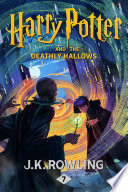
About this book
The epic conclusion to the Harry Potter saga.
Harry, Ron, and Hermione embark on a perilous mission to track down and destroy the Horcruxes, the secret to Voldemort's immortality, as the wizarding world teeters on the brink of war. With the help of the enigmatic Deathly Hallows, Harry must confront his destiny in a final, deadly battle against the Dark Lord. Old friends return, sacrifices are made, and the true meaning of love and loyalty is revealed in this thrilling, unforgettable climax. Will Harry finally defeat Voldemort and restore peace to the wizarding world?
Summary of Key Ideas
- •
The Horcrux Hunt: Destroying Voldemort's Soul
The quest to destroy Voldemort's Horcruxes forms the central mission of the trio, driving the plot forward. Each Horcrux represents a fragment of Voldemort's soul, hidden within various objects and locations. Harry, Ron, and Hermione must locate and destroy these Horcruxes to weaken Voldemort and make him vulnerable to a final confrontation. This quest requires them to face numerous challenges, from infiltrating the Ministry of Magic to battling dark creatures and unraveling the secrets of Voldemort's past. The Horcrux hunt symbolizes the arduous process of confronting and overcoming the darkest parts of oneself, as well as the importance of perseverance in the face of overwhelming odds.
- •
The Deathly Hallows: Confronting Mortality
The concept of the Deathly Hallows – the Elder Wand, the Resurrection Stone, and the Invisibility Cloak – is introduced, offering a parallel path to overcoming death, contrasting with Voldemort's pursuit of immortality through Horcruxes. These legendary objects represent different approaches to dealing with mortality: power, resurrection, and evasion. Harry's ultimate choice to embrace the Invisibility Cloak, a symbol of humility and acceptance, rather than seeking power or control over death, highlights the importance of facing mortality with courage and integrity. The Hallows serve as a metaphor for the different ways humans grapple with death and the choices they make in the face of it.
- •
The Power of Sacrifice: Love and Selflessness
Sacrifice is a recurring theme, exemplified by characters who willingly give their lives for the greater good. Snape's complex and ultimately selfless actions, Lily Potter's protection of Harry, and Harry's own willingness to sacrifice himself in the Forbidden Forest demonstrate the power of love and selflessness in the face of evil. These acts of sacrifice highlight the idea that true heroism often requires personal cost and that love is the most potent magic of all. The theme emphasizes the importance of empathy, compassion, and the willingness to put others before oneself in the fight against darkness.
- •
The Blurring Lines of Good and Evil
The novel explores the nuances of good and evil, blurring the lines between heroes and villains. Characters like Snape, who operates in a moral gray area, challenge simplistic notions of good and evil, revealing the complexities of human nature. Even characters traditionally viewed as evil, such as Draco Malfoy, exhibit moments of internal conflict and moral ambiguity. This exploration underscores the idea that individuals are capable of both good and evil and that choices, rather than inherent nature, ultimately define a person's character. It encourages readers to look beyond surface appearances and consider the motivations and circumstances that shape people's actions.
- •
Harry's Journey: Accepting Destiny
Harry's journey is one of self-discovery and acceptance of his destiny. He grapples with the burden of his past, the expectations placed upon him, and the realization that he must confront Voldemort in a final battle. Through trials and tribulations, Harry comes to terms with his identity, embracing his role as the 'chosen one' while remaining grounded in his values of love, friendship, and courage. This journey emphasizes the importance of self-awareness, resilience, and the ability to overcome adversity in the pursuit of one's true purpose. It showcases the transformative power of facing one's fears and accepting one's destiny.
- •
The Strength of Friendship and Loyalty
Friendship and loyalty are crucial elements in the fight against Voldemort. The unwavering support and camaraderie between Harry, Ron, and Hermione provide strength and resilience in the face of seemingly insurmountable odds. Their bond is tested throughout the novel, but their loyalty to each other remains unbroken, highlighting the importance of trust, empathy, and mutual support in overcoming adversity. The power of their friendship serves as a beacon of hope in the darkest of times, demonstrating that together, individuals can achieve what they cannot accomplish alone. This underscores the idea that strong relationships are essential for personal growth and collective triumph.
- •
Overcoming Fear and Prejudice
The novel delves into the pervasive effects of fear and prejudice within the wizarding world, particularly through Voldemort's regime. The persecution of Muggle-born witches and wizards reflects real-world issues of discrimination and intolerance. The story highlights the dangers of allowing fear and prejudice to dictate societal norms and the importance of standing up against injustice, even when it is unpopular or dangerous. It serves as a reminder of the need for empathy, understanding, and acceptance in creating a more just and equitable world.
- •
The Enduring Power of Hope
Hope persists even in the darkest of times, as characters cling to the belief that good will ultimately triumph over evil. This unwavering hope fuels their resistance against Voldemort and inspires them to continue fighting, even when faced with overwhelming odds. The theme emphasizes the importance of maintaining a positive outlook, even in the face of despair, and the power of hope to motivate individuals and communities to strive for a better future. It serves as a reminder that even in the bleakest circumstances, hope can be a source of strength and resilience.
Chapter Recap

About The Author
J. K. Rowling
Main Quotes
"Do not pity the dead, Harry. Pity the living, and, above all those who live without love."
"Of course it is happening inside your head, Harry, but why on earth should that mean that it is not real?"
"Words are, in my not-so-humble opinion, our most inexhaustible source of magic."
"The last enemy that shall be destroyed is death."
"I am going to keep going until I succeed — or die. Don't think I don't know how this might end. I have known it for years."
"Every human life is worth the same, and worth saving."
"Fear of a name increases fear of the thing itself."
"It is the unknown we fear when we look upon death and darkness, nothing more."
"Don't you understand? They will torture and kill you like they did my parents!"
"I'm not worried, Harry," said Ron, though he was still staring at the ceiling. "We're with you."
Who Should Read This Book
Children and young adults who have grown up with the series
Fans of the fantasy genre
Readers interested in themes of good vs. evil, death, and sacrifice
Adults who enjoy young adult fiction
Individuals seeking closure to the Harry Potter series
Readers who appreciate complex characters and intricate plotlines
People who enjoy action and adventure stories with magical elements
Those interested in exploring themes of prejudice, power, and corruption
Book Summaries Like
Harry Potter and the Deathly Hallows
FAQ

Free Access to LitNotes