




 DISCORD
Here One Moment
Liane Moriarty


 Goodreads Choice Awards
 USA Today Best Sellers


 87 Min Reading Time
 Audio Version Available
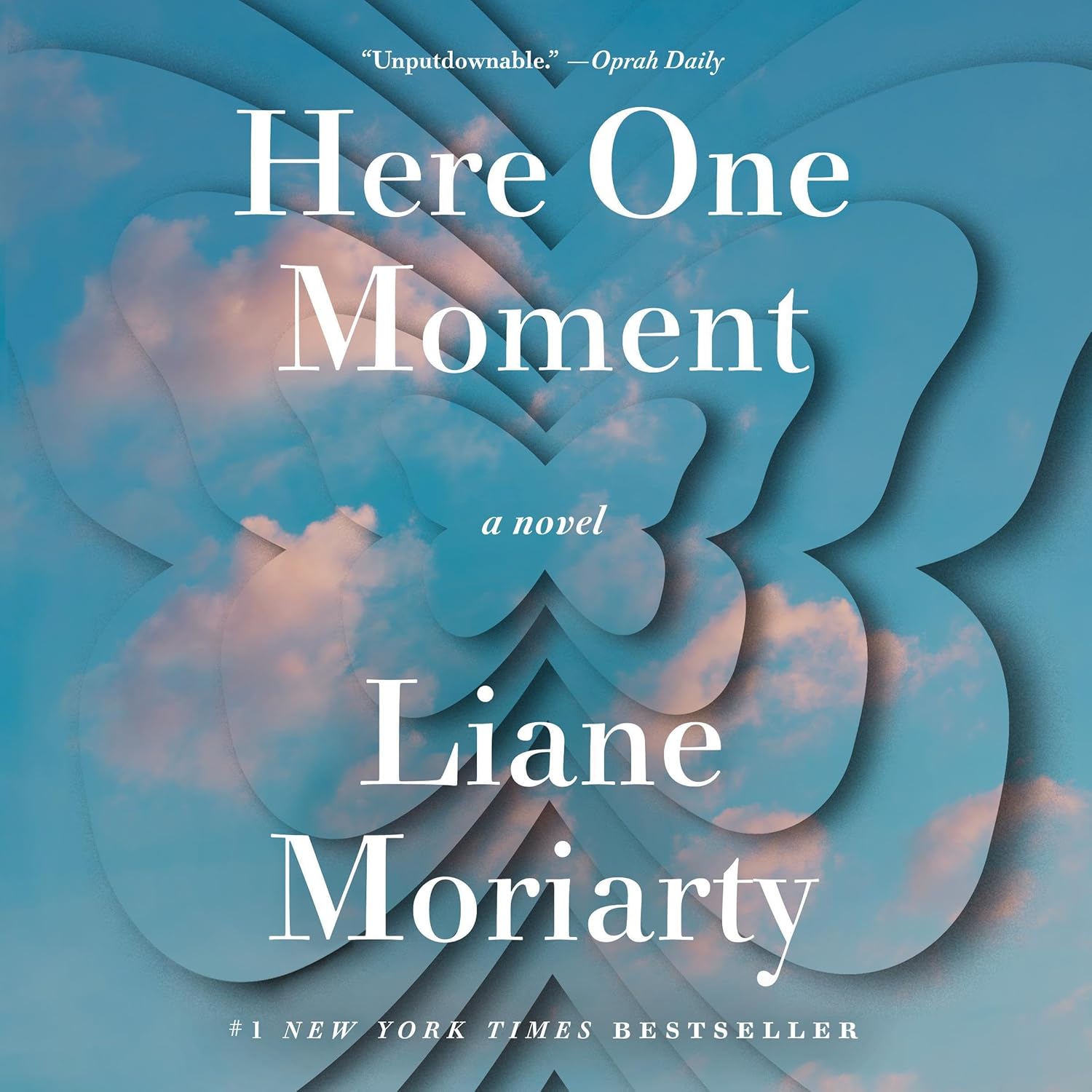
About this book
Imagine boarding a flight and suddenly knowing the exact moment each passenger will meet their end. This is the unsettling reality that befalls one woman on a flight from Hobart to Sydney in Liane Moriarty's thought-provoking novel, Here One Moment.
As the mysterious premonitions ripple through the cabin, fear and disbelief intertwine, forcing passengers to confront their lives and mortality. Is it a cruel trick of the mind, or something far more profound?
Delving into themes of destiny, free will, grief, and the enduring power of love, Moriarty crafts a compelling narrative that explores how a single moment can alter the course of many lives. Prepare to question everything you believe as secrets unravel, relationships are tested, and the passengers grapple with the weight of their predicted futures. Here One Moment is a captivating exploration of what it means to be alive, and how we choose to live in the face of the inevitable.
Summary of Key Ideas
- •
The Prophecy of Impending Doom
The Intriguing Premise: A passenger on a short flight predicts the imminent deaths of fellow travelers, setting the stage for a compelling exploration of fate and free will. This prediction throws the lives of those on board into turmoil, as they grapple with the possibility of their own mortality and the choices they make in the face of such a grim forecast. The reactions of the passengers range from disbelief and denial to fear and frantic attempts to alter their perceived destinies. The mysterious woman becomes a catalyst for self-reflection and life-altering decisions.
- •
Fate Versus Free Will: A Central Conflict
The novel deeply explores the theme of fate versus free will. The passengers, now aware (or believing they are aware) of their impending deaths, must confront whether they are bound by destiny or if they have the power to change their futures. This raises profound questions about choice, agency, and the very nature of reality. Characters struggle with whether to accept their predicted fates or to fight against them, leading to a series of unexpected and often transformative actions. Moriarty masterfully weaves this philosophical debate into the narrative, prompting readers to question their own beliefs about fate and free will.
- •
Confronting Mortality: Fear, Regret, and Redemption
Moriarty examines how the characters respond to the prospect of death, revealing their deepest fears, regrets, and desires. Some passengers become paralyzed by anxiety, while others seize the opportunity to mend broken relationships, pursue unfulfilled dreams, or make amends for past mistakes. The awareness of mortality serves as a catalyst for profound personal growth and change. The novel sensitively portrays the emotional and psychological impact of facing one's own demise, highlighting the importance of living a meaningful and authentic life. This theme resonates with readers by prompting them to consider their own mortality and the legacy they wish to leave behind.
- •
Interconnected Lives: Multiple Perspectives
The narrative is intricately woven with multiple character perspectives, providing a rich and nuanced portrayal of the passengers and their individual stories. Each character has their own unique background, motivations, and secrets, which are gradually revealed as the story unfolds. This multi-perspective approach allows Moriarty to explore the complex interplay of human relationships and the ripple effect of the mysterious woman's predictions. Readers gain a deeper understanding of the characters' inner lives and the choices they make in the face of extraordinary circumstances. This complexity adds depth and intrigue to the novel, keeping readers engaged and invested in the characters' fates.
- •
Humor in the Face of the Macabre
Despite the heavy themes of death and mortality, Moriarty infuses the novel with moments of humor and wit, creating a balanced and engaging reading experience. The humor often arises from the characters' eccentricities, their reactions to the absurd situation, and the unexpected connections they form with one another. This comedic relief serves to lighten the mood and prevent the novel from becoming overly bleak or depressing. Moriarty's skillful use of humor adds to the novel's overall appeal and makes it more accessible to a wider audience. It underscores the idea that even in the face of adversity, there is still room for laughter and joy.
- •
Love and Grief: Navigating Loss
The story explores the themes of grief and love in the face of potential loss. As characters contemplate their own mortality, they also reflect on the relationships they cherish and the love they share with others. The prospect of death can either strengthen bonds or expose hidden fractures. The novel highlights the importance of forgiveness, communication, and cherishing the present moment with loved ones. Moriarty delves into the complexities of grief, portraying the different ways in which individuals cope with the potential loss of a loved one. This theme underscores the enduring power of human connection and the importance of love in navigating life's challenges.
Chapter Recap

About The Author
Liane Moriarty
Main Quotes
"It is only when we truly know and understand that we have a limited time on Earth and that we have no way of knowing when our time is up that we begin to live every day to the fullest, as if it were the only one we had."
"Her boys haven't yet discovered the awful fragility of life. They don't yet know that the possibility of death is always there, sitting right alongside you."
"If you knew your future, would you try to fight fate? Aside from a delay, there will be no problems. The flight will be smooth, it will land safely."
"Aww, sweetie, you're not going to die in a fight. They just make stuff up! None of it is true!"
"We just want to be left alone in our beautiful country. We just want to enjoy the views, the beaches, the food. We don't want to fight."
"Fate won't be fought."
"He’d been so busy thinking about what he wanted to say that he hadn’t actually listened to what she was saying."
"Maybe she was so used to people not listening that she had simply given up on being heard."
"That was the problem with being careful, it took up so much time."
"She felt as if she were sitting on a park bench, watching the world go by, and she was no longer a part of it."
Who Should Read This Book
Readers of contemporary fiction
Fans of Liane Moriarty's previous works
Readers interested in stories about family dynamics and relationships
Those who enjoy books with elements of mystery and suspense
Readers who appreciate character-driven narratives
People who like books set in Australia
Readers of thrillers
Book Summaries Like
Here One Moment




FAQ

Free Access to LitNotes