




 DISCORD
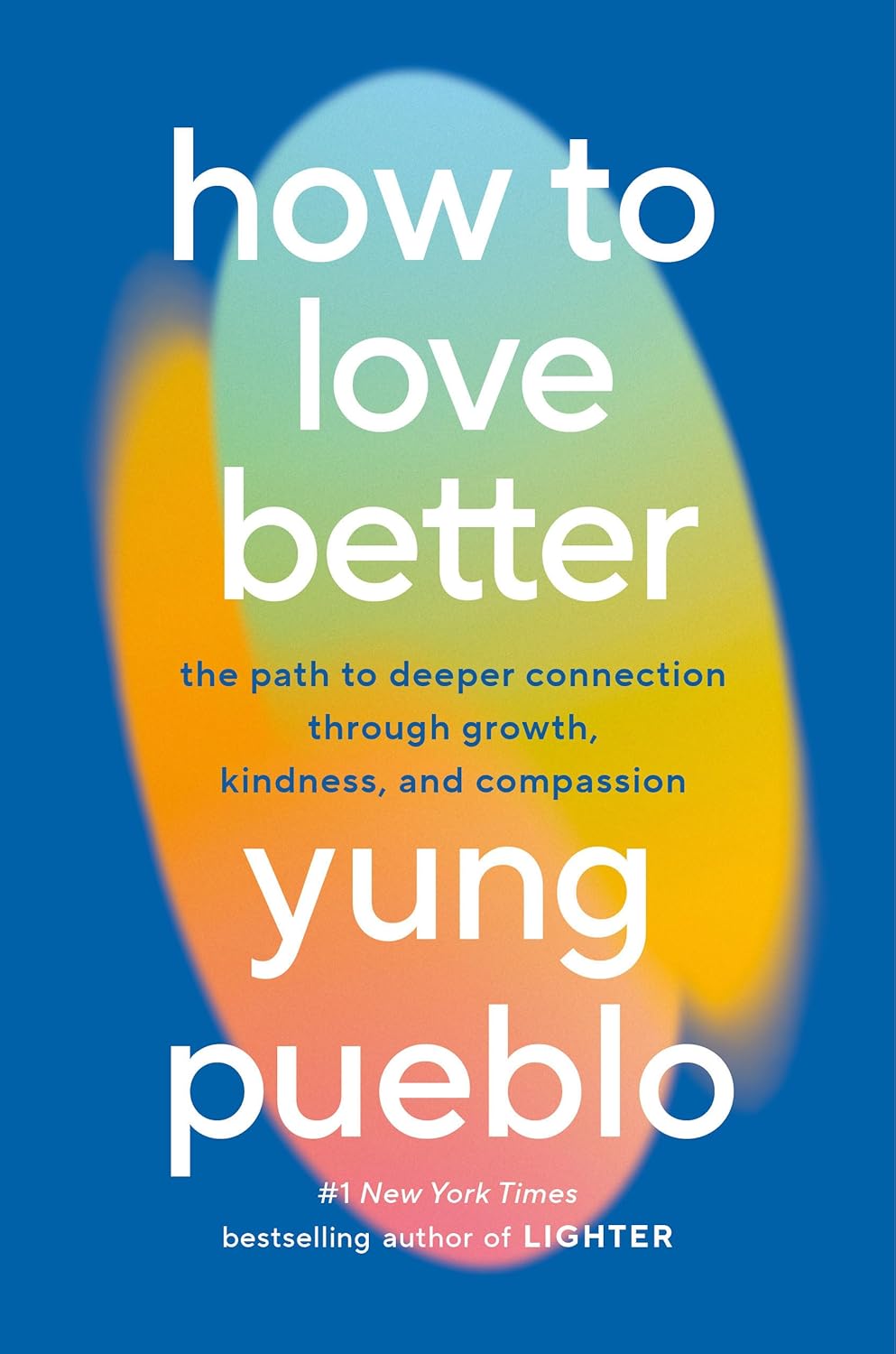
How to Love Better
Yung Pueblo


 Apple Books


 52 Min Reading Time
 Audio Version Available
About this book
From the #1 New York Times bestselling author of Lighter, comes a transformative guide to cultivating deeper compassion, kindness, and gratitude in all your relationships.
Yung Pueblo offers a profound exploration of love in its many forms—family, friends, and intimate partnerships—revealing how self-love is the cornerstone of genuine connection. He gently guides you to see relationships as opportunities for healing and growth, where presence and compassion can replace judgment.
In How to Love Better, Pueblo illuminates the path from the delicate early stages of connection to navigating challenges, heartbreak, and healing. Through a blend of poetry, personal insights, and mindful advice, he emphasizes the power of inner work, self-awareness, and overcoming ego and attachment to foster stronger, more harmonious bonds. Discover how to embrace change, build honest foundations, and listen selflessly, enriching your relationships and your life.
Summary of Key Ideas
- •
Self-Love as the Cornerstone
The book emphasizes that self-love is the foundation for healthy relationships. Before you can truly love another person, you must first cultivate a deep understanding and acceptance of yourself. This involves acknowledging your strengths and weaknesses, healing past traumas, and developing a strong sense of self-worth. Self-love allows you to enter relationships from a place of wholeness, rather than seeking validation or fulfillment from others. It also enables you to set healthy boundaries and communicate your needs effectively, fostering mutual respect and understanding in your connections with others. Ultimately, the book posits that the quality of your relationships is a direct reflection of the love you have for yourself.
- •
Healing Past Traumas
Healing from past traumas is essential for building healthy relationships. Unresolved emotional wounds can manifest as negative patterns and behaviors that sabotage intimacy and connection. The book encourages readers to identify and address their traumas through therapy, mindfulness practices, or other healing modalities. By processing past experiences, you can release emotional baggage and break free from destructive cycles. This allows you to approach relationships with a clearer perspective, increased emotional availability, and a greater capacity for empathy and compassion. Healing also involves forgiving yourself and others, which is crucial for releasing resentment and fostering genuine connection.
- •
The Power of Mindfulness
Mindfulness plays a key role in improving relationships by cultivating present moment awareness. By being fully present with yourself and your partner, you can observe your thoughts, feelings, and reactions without judgment. This allows you to respond to situations with greater clarity and intention, rather than reacting impulsively based on past experiences or fears. Mindfulness also enhances your ability to listen deeply and empathetically, creating a safe and supportive space for open communication. Through mindfulness practices, you can develop a deeper understanding of yourself and your partner, fostering intimacy and connection. The book encourages readers to incorporate mindfulness into their daily lives through meditation, mindful breathing, and other practices.
- •
Mastering Communication Skills
Effective communication is a cornerstone of healthy relationships. This involves expressing your needs and feelings clearly and respectfully, while also actively listening to your partner's perspective. The book emphasizes the importance of honesty, vulnerability, and empathy in communication. It also provides practical tools for resolving conflicts constructively, such as using 'I' statements, focusing on specific issues, and finding mutually agreeable solutions. Open and honest communication builds trust, strengthens emotional intimacy, and creates a deeper sense of connection. The book also cautions against passive-aggressiveness and stonewalling, which can erode trust and damage relationships.
- •
Kindness and Compassion
The book underscores the transformative power of kindness and compassion in fostering deeper connections. Practicing kindness involves extending empathy, understanding, and support to yourself and others, especially during challenging times. Compassion entails recognizing the suffering of others and responding with a genuine desire to alleviate their pain. By cultivating kindness and compassion, you create a more nurturing and supportive environment in your relationships. This can involve offering words of encouragement, providing practical assistance, or simply being present and attentive. The book suggests that even small acts of kindness can have a profound impact on the quality of your relationships.
- •
Embracing Continuous Growth
Growth is essential for maintaining thriving relationships. Personal evolution and expansion contribute significantly to the well-being of any partnership. The book posits that stagnant relationships often lack the dynamism needed to sustain long-term happiness. By prioritizing individual growth, partners can bring fresh perspectives, new skills, and renewed enthusiasm to the relationship. This can involve pursuing personal interests, developing new hobbies, or engaging in activities that promote self-discovery. The book advocates for continuous learning and self-improvement as a means of enriching both individual lives and the relationship as a whole. Supporting each other’s growth becomes a shared journey, fostering mutual respect and admiration.
Chapter Recap

About The Author
Yung Pueblo
Main Quotes
"Relationships that are nourishing don't just happen without any work."
"Slowing down is how you ground yourself. It is how you reconnect with your peace and intuition. Slowing down helps you understand yourself and other people."
"True power is living the realization that you are your own healer, hero, and leader. It is when you share your truth with compassion and peace."
"Love yourself, but don't become egotistical."
"It is a good thing to know yourself, but it is even more worthwhile to free yourself."
"Finding the right partner can make life beautiful, but only if you add to that beauty by doing your own inner work."
"Love and accept yourself, not in spite of your imperfections, but because of them."
"Each individual arrives into a relationship with their own conditioning."
"Attachment is the enemy of love; freedom is key."
"Self-Awareness and Healing are Foundational for Better Love"
Who Should Read This Book
Individuals interested in self-improvement and personal growth, particularly in the context of relationships.
Those seeking guidance on building healthier and more fulfilling relationships.
People interested in mindfulness, meditation, and spiritual practices.
Readers who appreciate simple, accessible writing on complex emotional topics.
Fans of Yung Pueblo's previous works and his online presence.
Individuals in their late teens to early forties who are actively seeking ways to improve their emotional intelligence and relationship skills.
Those who are going through relationship challenges or seeking to heal from past relationship trauma.
Book Summaries Like
How to Love Better

FAQ

Free Access to LitNotes