




 DISCORD
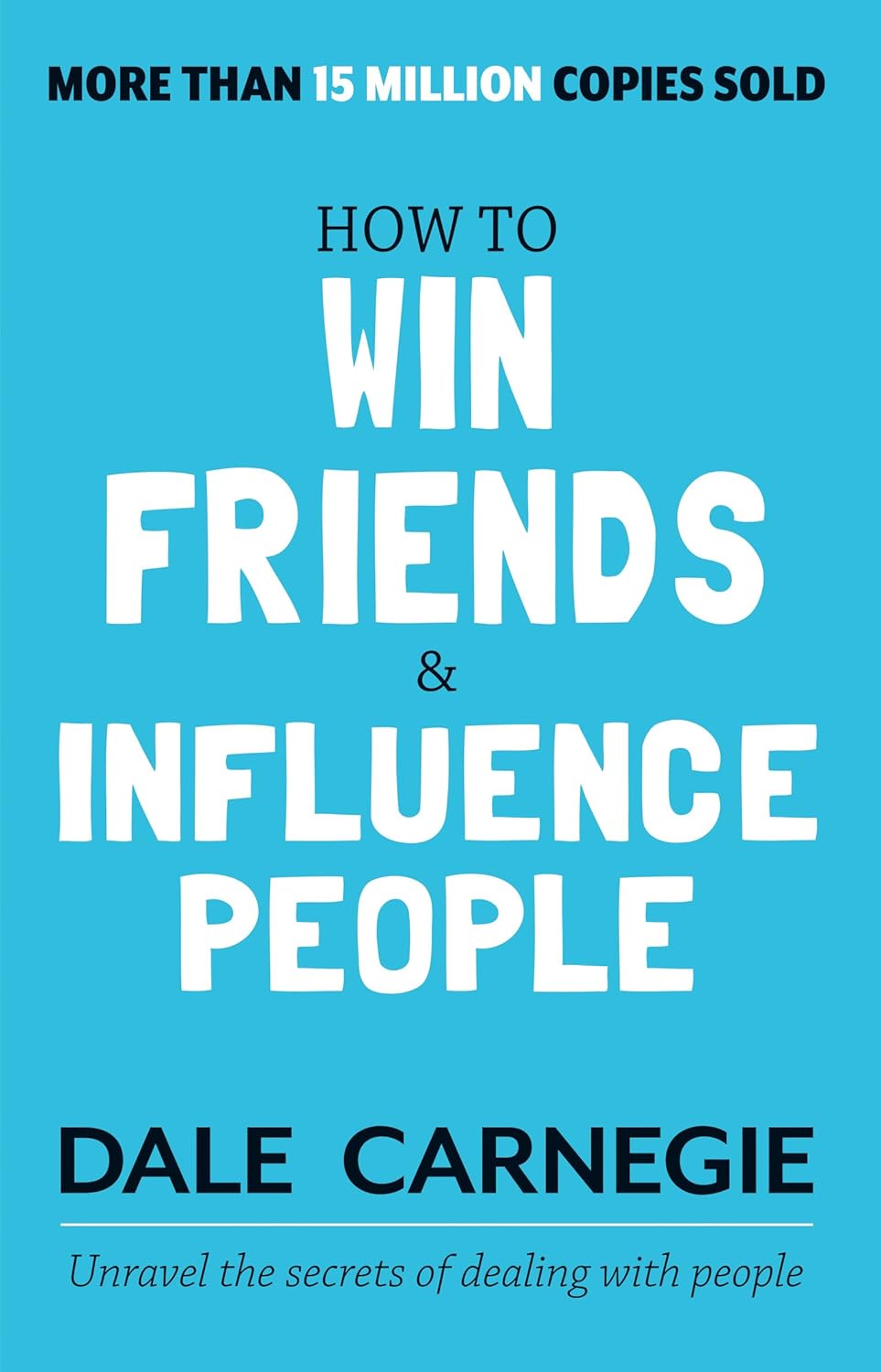
How to Win Friends and Influence People
Dale Carnegie


 Amazon Best Sellers
 Barnes & Noble Bestsellers


 30 Min Reading Time
 Audio Version Available
About this book
Unlock the secrets to lasting success with Dale Carnegie's timeless masterpiece, How to Win Friends and Influence People. This phenomenal bestseller has transformed the personal and professional lives of millions worldwide, offering practical, time-tested advice on mastering the art of human relations. Learn how to effectively communicate, build genuine connections, and navigate social situations with confidence. Discover the fundamental principles that will enable you to increase your influence, become a more effective leader, and achieve your ambitions. Packed with engaging anecdotes, proven techniques, and invaluable insights, this book remains as relevant today as it was when first published, providing you with the tools to thrive in any environment and become the person you aspire to be.
Summary of Key Ideas
- •
Avoid Criticism, Condemnation, and Complaining
The core principle of avoiding criticism emphasizes the counterproductive nature of condemning, criticizing, or complaining about others. Carnegie argues that criticism puts people on the defensive, wounds their pride, and fosters resentment. Instead of openly criticizing, the book advocates for understanding the other person's perspective and motivations. By refraining from judgment, one can create a more positive and receptive environment, making it easier to influence and guide others toward desired outcomes. This approach encourages empathy and seeks to build rapport rather than sow discord, which is crucial for fostering strong interpersonal relationships and effective communication.
- •
Give Honest and Sincere Appreciation
Giving honest and sincere appreciation is a powerful tool for building rapport and influencing others positively. Unlike flattery, which is superficial and insincere, genuine appreciation acknowledges the other person's worth and recognizes their contributions. By expressing sincere gratitude and admiration, you make people feel valued and important, which in turn makes them more receptive to your ideas and willing to cooperate. This principle underscores the importance of noticing and praising the positive qualities and actions of those around you, creating a more supportive and encouraging environment.
- •
Arouse in the Other Person an Eager Want
Arousing in the other person an eager want involves understanding their desires, needs, and motivations, and then framing your requests or suggestions in a way that aligns with their self-interests. This principle emphasizes the importance of seeing things from the other person's point of view and showing them how your proposal will benefit them directly. By demonstrating a clear understanding of their needs and offering solutions that satisfy those needs, you increase the likelihood of gaining their cooperation and support. This approach requires empathy, active listening, and a genuine desire to help others achieve their goals.
- •
Become Genuinely Interested in Other People
Becoming genuinely interested in other people is a fundamental principle for building strong, lasting relationships. This involves actively listening to what others have to say, showing sincere curiosity about their lives and experiences, and demonstrating a genuine interest in their well-being. By focusing on the other person and making them feel valued and important, you create a strong emotional connection and build trust. This principle underscores the importance of empathy, compassion, and a sincere desire to understand and connect with others on a deeper level.
- •
Smile
Smiling is a simple yet powerful way to create a positive first impression and make people feel more comfortable and receptive. A genuine smile conveys warmth, friendliness, and approachability, making it easier to build rapport and establish a connection with others. Smiling can also positively influence your own mood and attitude, making you feel more confident and optimistic. This principle emphasizes the importance of nonverbal communication and the impact that a simple gesture can have on interpersonal relationships.
- •
Remember That a Person's Name Is to That Person the Sweetest and Most Important Sound in Any Language
Remembering and using a person's name is a sign of respect and recognition that makes them feel valued and important. People are naturally drawn to their own name, and using it in conversation shows that you are paying attention and care about them as individuals. This principle highlights the importance of attention to detail and the power of personalization in building strong relationships. Making an effort to remember and use people's names demonstrates that you value them and their identity, fostering a sense of connection and goodwill.
- •
Be a Good Listener. Encourage Others to Talk About Themselves
Being a good listener is crucial for effective communication and building strong relationships. Encouraging others to talk about themselves allows you to learn more about their interests, values, and motivations, while also making them feel heard and understood. By actively listening and showing genuine interest, you create a safe and supportive environment where people feel comfortable sharing their thoughts and feelings. This principle emphasizes the importance of empathy, patience, and a willingness to learn from others.
- •
Talk in Terms of the Other Person's Interest
Talking in terms of the other person's interest involves understanding their needs, desires, and motivations, and then framing your communication in a way that resonates with them. This principle emphasizes the importance of seeing things from the other person's point of view and tailoring your message to their specific concerns and interests. By focusing on what matters most to the other person, you increase the likelihood of gaining their attention, understanding, and cooperation. This approach requires empathy, active listening, and a willingness to adapt your communication style to suit the needs of your audience.
- •
Make the Other Person Feel Important – and Do It Sincerely
Making the other person feel important – and doing it sincerely – is a powerful way to win them over and foster goodwill. People have a fundamental need to feel valued, appreciated, and respected. By acknowledging their contributions, recognizing their strengths, and showing genuine interest in their thoughts and feelings, you can make them feel important and boost their self-esteem. This principle emphasizes the importance of empathy, kindness, and a sincere desire to uplift others. When people feel valued, they are more likely to be receptive to your ideas and willing to cooperate.
Chapter Recap

About The Author
Dale Carnegie
Main Quotes
"You can make more friends in two months by becoming genuinely interested in other people than you can in two years by trying to get other people interested in you."
"Criticism is futile because it puts a person on the defensive and usually makes them strive to justify themselves."
"Any fool can criticize, condemn, and complain—and most fools do."
"There is only one way under high heaven to get anybody to do anything. Did you ever stop to think of that? Yes, only one way. And that is by making the other person want to do it."
"The only way to influence other people is to talk about what they want and show them how to get it."
"Remember that a person’s name is to that person the sweetest and most important sound in any language."
"Talk to people about themselves and they will listen for hours."
"Let the other person feel that the idea is his or hers."
"Begin with praise and honest appreciation."
"Try honestly to see things from the other person's point of view."
Who Should Read This Book
Young adults entering the workforce
Professionals seeking career advancement
Leaders and managers aiming to improve team dynamics
Sales and marketing professionals
Individuals looking to improve their social skills and relationships
Anyone interested in self-improvement and personal development
Gen Z girls
People who want to become more likeable
Individuals who struggle with interpersonal communication
Entrepreneurs seeking to build and maintain relationships
Politicians
Historical figures
Businesspeople
Attendees of Carnegie's courses
People who aspire to be winners
Book Summaries Like
How to Win Friends and Influence People




FAQ

Free Access to LitNotes