




 DISCORD
I'm Glad My Mom Died
Jennette McCurdy


 Amazon Best Sellers
 Apple Books


 63 Min Reading Time
 Audio Version Available
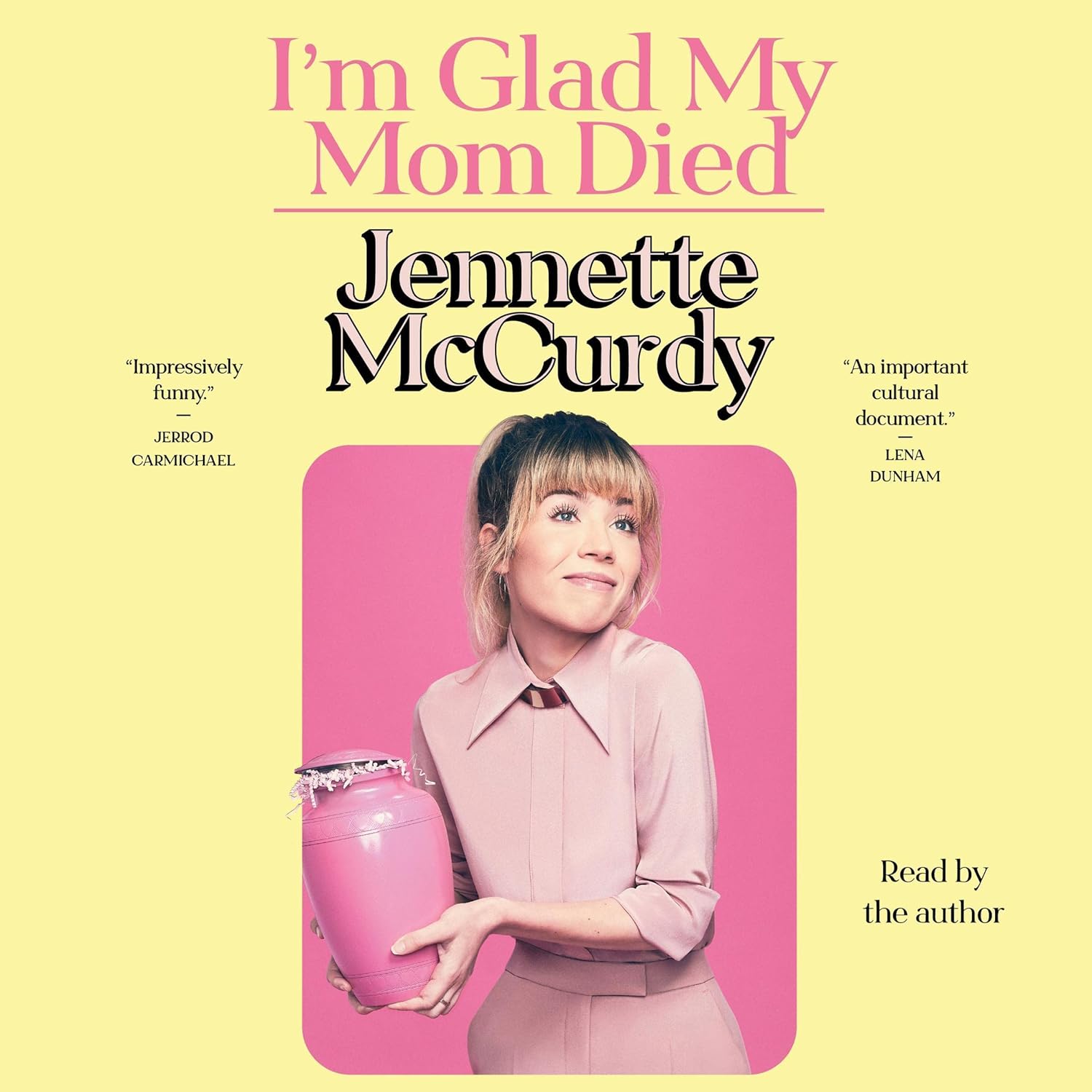
About this book
In this unflinchingly honest and darkly humorous memoir, Jennette McCurdy, former star of Nickelodeon's "iCarly," bravely recounts her tumultuous journey through child stardom and its devastating aftermath. With raw honesty, she exposes the manipulative and abusive behavior of her mother, who relentlessly pushed her into acting, controlled her eating habits, and meticulously crafted her public image.
"I'm Glad My Mom Died" is more than a tell-all; it's a story of resilience, self-discovery, and hard-won independence. McCurdy chronicles her struggles with anxiety, eating disorders, addiction, and a series of unhealthy relationships, all while grappling with the complex grief of losing the person who caused her so much pain. Told with refreshing candor and surprising wit, this memoir offers a powerful and inspiring look at one woman's fight to reclaim her life on her own terms and find joy in the aftermath of trauma. It's a testament to the strength of the human spirit and the transformative power of therapy, proving that healing is possible even after the most profound losses.
Summary of Key Ideas
- •
The Enduring Scars of Childhood Trauma
The book explores the pervasive impact of childhood trauma, specifically focusing on the emotional and psychological damage inflicted by a manipulative and abusive parent. Jennette's experiences highlight how such trauma can manifest in various forms, including eating disorders, anxiety, and difficulty forming healthy relationships. The memoir serves as a raw and honest account of the long-lasting effects of a toxic upbringing, emphasizing the challenges of healing and self-discovery.
- •
Stolen Identity: The Loss of Self
A central theme revolves around the loss of autonomy and identity during childhood. Jennette's mother exerted extreme control over her life, dictating her career, appearance, and even her eating habits. This stifling environment left Jennette feeling like a puppet, disconnected from her own desires and ambitions. The book poignantly illustrates the struggle to reclaim one's identity after years of being molded into someone else's ideal, and the difficult journey towards self-acceptance.
- •
Exposing the Dark Side of Child Stardom
The memoir delves into the dark side of the entertainment industry, particularly the pressures and exploitation faced by child actors. Jennette's experiences on Nickelodeon reveal a world of intense competition, unrealistic expectations, and potential for abuse. The book exposes the ways in which young performers can be manipulated and taken advantage of, highlighting the importance of protecting children in the industry and the need for greater accountability.
- •
Battling Eating Disorders: A Fight for Control
McCurdy's struggle with eating disorders is a major focus, illustrating how her mother's obsession with her weight and appearance fueled a battle with anorexia and bulimia. The book provides a candid look at the mental and physical toll of these disorders, as well as the challenges of recovery. It emphasizes the importance of seeking help and breaking free from the cycle of self-destructive behaviors and highlights the dangerous impact of parental pressure on body image.
- •
Navigating a Toxic Mother-Daughter Relationship
The complex and often contradictory emotions Jennette feels towards her mother are a recurring theme. Despite the abuse and manipulation she endured, she also grapples with feelings of love, loyalty, and grief. The book explores the nuances of mother-daughter relationships, particularly when those relationships are fraught with trauma. Jennette's journey involves coming to terms with her mother's flaws and accepting the validity of her own anger and resentment, while also acknowledging the moments of genuine connection they shared.
- •
Finding Strength in Healing and Self-Discovery
Ultimately, "I'm Glad My Mom Died" is a story of resilience and healing. Despite the immense challenges she faced, Jennette finds the strength to break free from her mother's control, confront her past, and begin the process of self-discovery. The book offers a message of hope for anyone who has experienced trauma, demonstrating that it is possible to heal, reclaim your life, and find happiness, even after enduring immense pain. Jennette's journey underscores the importance of self-compassion, therapy, and building a strong support system.
- •
The Detrimental Effects of Conditional Love
One of the key ideas of the book is the exploration of conditional love. Jennette's mother's love was often contingent on her success as an actress and her adherence to specific physical standards. This created a dynamic where Jennette felt she had to earn her mother's affection, leading to anxiety and a distorted sense of self-worth. The book highlights the detrimental effects of conditional love on a child's development and the importance of unconditional acceptance.
- •
Addiction as a Coping Mechanism
The memoir also touches upon the theme of addiction, both in Jennette's own struggles with disordered eating and in her family's history. It delves into how addiction can be a coping mechanism for dealing with trauma and emotional pain. By sharing her own experiences and observations, Jennette sheds light on the complexities of addiction and the challenges of breaking free from its grip. This aspect of the book adds another layer to the exploration of the long-term consequences of a dysfunctional upbringing.
- •
The Power of Therapy and Mental Health Support
Jennette's decision to pursue therapy and mental health treatment is a crucial part of her journey. The book underscores the importance of seeking professional help in overcoming trauma and developing healthy coping mechanisms. Therapy provides her with a safe space to process her emotions, challenge her negative beliefs, and build a stronger sense of self. By openly discussing her experiences in therapy, Jennette destigmatizes mental health treatment and encourages others to prioritize their well-being.
Chapter Recap

About The Author
Jennette McCurdy
Main Quotes
"Mom reminisces about cancer the way most people reminisce about vacations."
"I was conditioned to believe any boundary I wanted was a betrayal of her, so I stayed silent. Cooperative."
"If my weight isn't enough to get Mom to wake up, then nothing will be. And if nothing can wake her up, then that means she's really going to die. And if she's really going to die, then I'm going to lose her."
"I yearn to know the people I love deeply and intimately—without context, without boxes—and I yearn for them to know me that way, too."
"Why do we romanticize the dead? Why can't we be honest about them? Especially moms. They're the most romanticized of anyone."
"I needed that time, those years, to develop as a child. To form my identity. To grow. I can never get those years back."
"Slips are expected. Progress is not a straight line."
"I take a longer look at the words on her headstone. I didn't write them, but I okayed them."
"I want to give you the life I never had... I want to give you the life I deserved. The life my parents wouldn't let me have."
"I know how hollow her compliments are, how manipulative her praise is."
Who Should Read This Book
Readers interested in celebrity memoirs
Individuals who have experienced parental abuse or toxic family dynamics
Those interested in the challenges of child stardom
People who enjoy memoirs dealing with mental health, eating disorders, and recovery
Fans of Jennette McCurdy and her work on iCarly and other shows
Readers interested in stories about overcoming adversity and finding personal empowerment
Individuals interested in the behind-the-scenes aspects of the entertainment industry
Those seeking memoirs with a dark humor and brutally honest tone
Readers who appreciate memoirs that explore complex mother-daughter relationships
People interested in stories about personal growth and self-discovery
Book Summaries Like
I'm Glad My Mom Died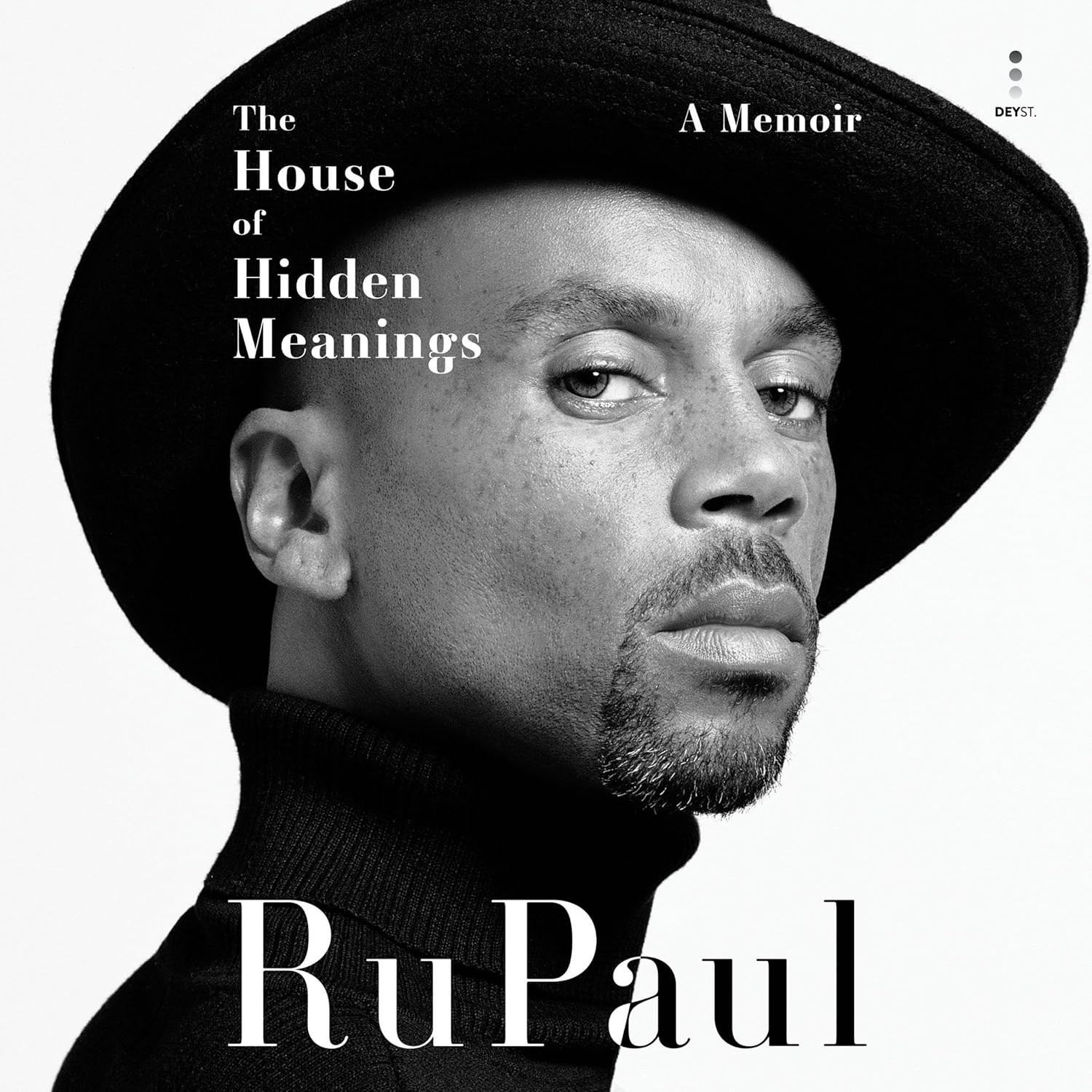
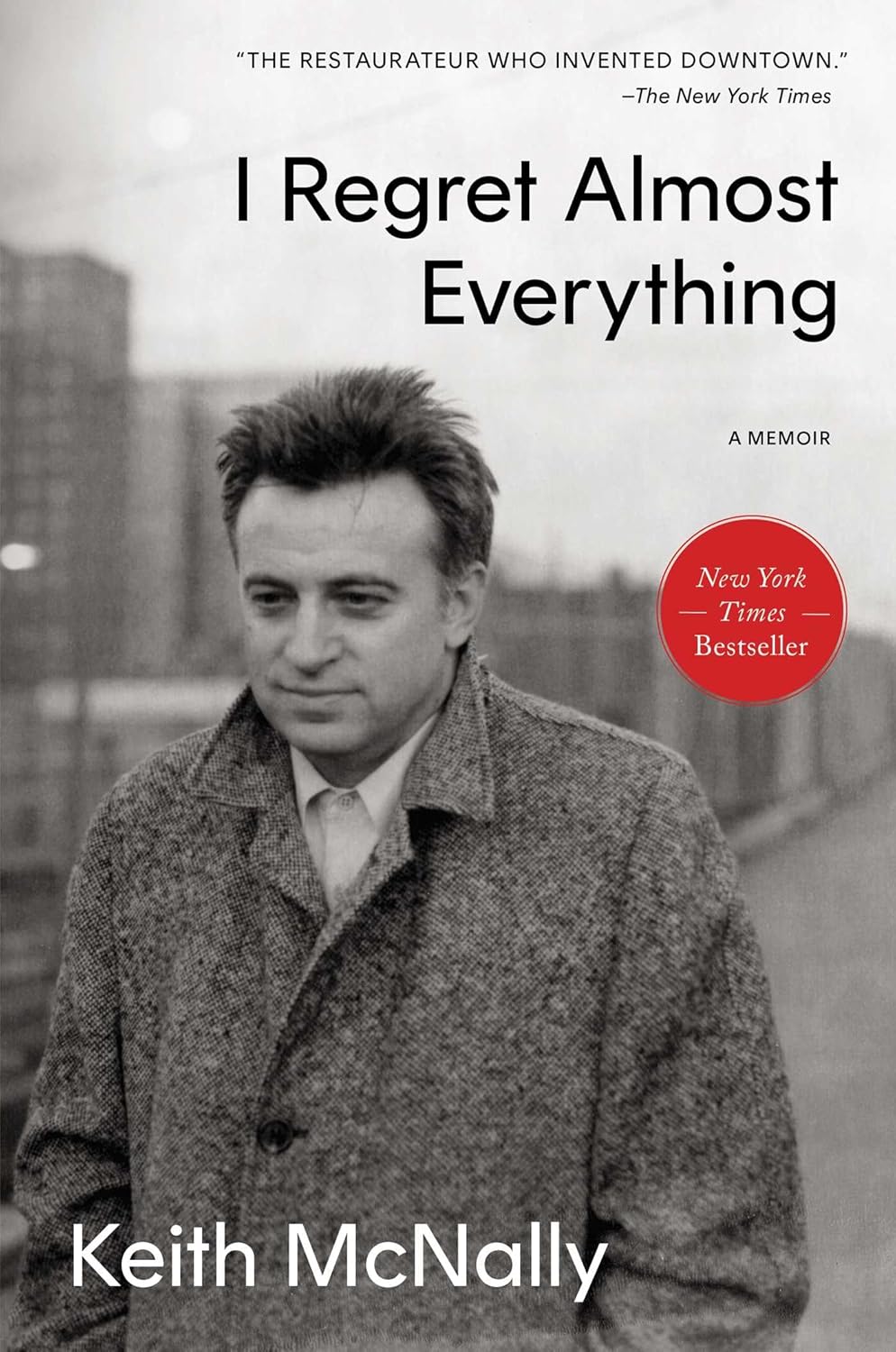


FAQ

Free Access to LitNotes