




 DISCORD
In Cold Blood
Truman Capote


 Amazon Best Sellers
 Apple Books


 118 Min Reading Time
 Audio Version Available
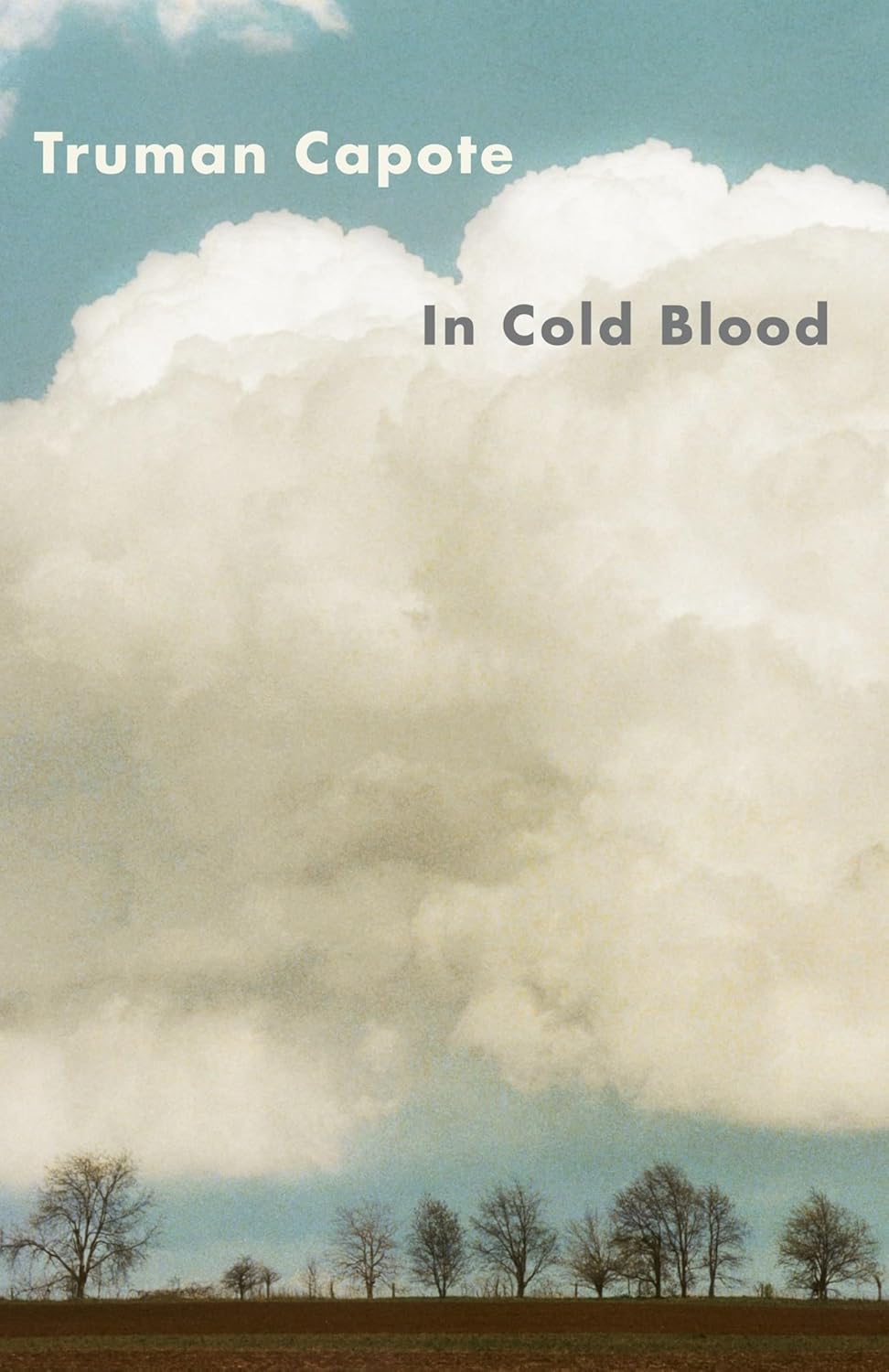
About this book
In the quiet heartland of Kansas, a brutal crime shatters the American dream. On November 15, 1959, the Clutter family—father, mother, son, and daughter—were found murdered in their home, victims of a senseless act of violence. With meticulous detail and haunting prose, Truman Capote reconstructs the events leading up to that horrific night, the relentless investigation that followed, and the capture, trial, and execution of the killers, Perry Smith and Richard Hickock. More than a true crime story, In Cold Blood delves into the psyches of its subjects, exploring the complexities of human nature and the dark undercurrents of the American landscape. A masterpiece of literary journalism, Capote's chilling narrative transcends the genre, leaving an indelible mark on the reader and prompting profound questions about justice, empathy, and the nature of evil.
Summary of Key Ideas
- •
Shattered American Dream
The Illusion of the American Dream: The Clutter family represents the idealized vision of the American Dream—hardworking, successful, and respected within their close-knit community. Their brutal and senseless murders shatter this illusion, exposing the vulnerability and fragility of such ideals. Capote uses the Clutters' fate to highlight the dark undercurrents that can undermine even the most seemingly secure lives, suggesting that the American Dream is not a guarantee of safety or happiness.
- •
The Complexities of Morality
The Nature of Good and Evil: Capote delves into the complexities of human morality, blurring the lines between good and evil. Through the detailed portrayal of the killers, Perry Smith and Dick Hickock, the novel explores the psychological and environmental factors that contribute to their actions. By presenting their backgrounds, motivations, and internal struggles, Capote challenges readers to confront the nuances of evil and question simplistic notions of moral judgment. The contrast with the upstanding Clutter family further emphasizes the unpredictable nature of human behavior.
- •
The Enduring Scars of Violence
The Impact of Trauma and Violence: The novel meticulously documents the lasting effects of the Clutter family's murder on the Holcomb community. The sense of security is irrevocably destroyed, replaced by fear, suspicion, and a profound loss of innocence. Capote illustrates how a single act of violence can ripple through an entire community, leaving emotional scars that linger long after the event. This exploration of trauma underscores the far-reaching consequences of crime and its ability to disrupt the social fabric.
- •
The Elusive Quest for Justice
The Search for Meaning and Justice: "In Cold Blood" explores the human need to find meaning in the face of senseless violence. The investigation, trial, and eventual execution of the killers represent a societal attempt to restore order and achieve justice. However, Capote subtly questions whether true justice is ever fully attainable, highlighting the emotional toll on those involved and the lingering ambiguity surrounding the motivations and culpability of the perpetrators. The narrative suggests that even with legal resolution, the deeper questions of why such a tragedy occurred remain unanswered.
- •
The Dividing Line of Social Class
Social Isolation and Alienation: Perry Smith's background of poverty, abuse, and lack of education is contrasted with the Clutter family's stable and affluent life. This disparity underscores the theme of social inequality and the sense of alienation that can drive individuals to desperate acts. Capote portrays Perry as a complex character, shaped by his disadvantaged circumstances and yearning for connection, which humanizes him to some extent, although not excusing his actions. This exploration invites readers to consider the societal factors that contribute to crime and the importance of empathy.
- •
The Role of Empathy
The Power of Empathy and Understanding: While detailing a gruesome crime, Capote also explores the potential for empathy, even towards those who commit terrible acts. He delves into the backgrounds and motivations of both the victims and the perpetrators, seeking to understand the circumstances that led to the tragedy. This approach encourages readers to consider the complexities of human nature and the importance of compassion, even in the face of unspeakable violence. It doesn't justify the crime, but it humanizes the individuals involved, prompting a deeper reflection on the roots of violence and the potential for rehabilitation.
- •
Questioning the Justice System
The Failure of the Criminal Justice System: Through his meticulous reporting, Capote subtly critiques aspects of the American criminal justice system. The lengthy appeals process, the debates surrounding capital punishment, and the psychological impact on law enforcement officers are all examined. The novel raises questions about the effectiveness and fairness of the system, prompting readers to consider the moral implications of state-sanctioned execution and the potential for errors in the pursuit of justice.
Chapter Recap

About The Author
Truman Capote
**Truman Capote** was an American writer, many of whose short stories, novels, plays, and nonfiction are recognized literary classics, including the novella *Breakfast at Tiffany's* (1958) and *In Cold Blood* (1965), which he labeled a "nonfiction novel".
Main Quotes
"I didn't want to harm the man. I thought he was a very nice gentleman. Soft-spoken. I thought so right up to the moment I cut his throat."
"The village of Holcomb stands on the high wheat plains of western Kansas, a lonesome area that other Kansans call “out there.”"
"As long as you live, there's always something waiting; and even if it's bad, and you know it's bad, what can you do? You can't stop living."
"It would be meaningless to apologize for what I did. Even inappropriate. Because I don't repent it."
"The crime was a psychological accident, virtually an impersonal act; the victims might as well have been killed by lightning."
"Deal me out, baby,' Dick said. 'I'm a normal. I only dream about whores."
"But the voice seemed to say, 'I don't want to harm you. I want you to help me."
"And that's the truth,' Dewey went on. 'They were so seldom in town, and when they were, they went to the movies or visited Mrs. Helm. Never spent a dollar anyplace."
"It's like Perry said: he thought Mr. Clutter was a very nice gentleman. Soft-spoken. I thought so, too. I thought so right up to the moment I cut his throat."
"They shared a doom against which virtue was no defense."
Who Should Read This Book
Readers interested in true crime
Individuals fascinated by psychological studies of criminals
Those interested in American social history, particularly the 1960s
Readers of literary journalism and narrative nonfiction
Students and scholars of literature, sociology, and criminology
People interested in works exploring the dark side of the American Dream
Readers who enjoy books that blend fact and fiction
Fans of Truman Capote's writing style
Readers interested in rural American life
Those interested in the death penalty debate
Book Summaries Like
In Cold Blood
FAQ

Free Access to LitNotes