




 DISCORD
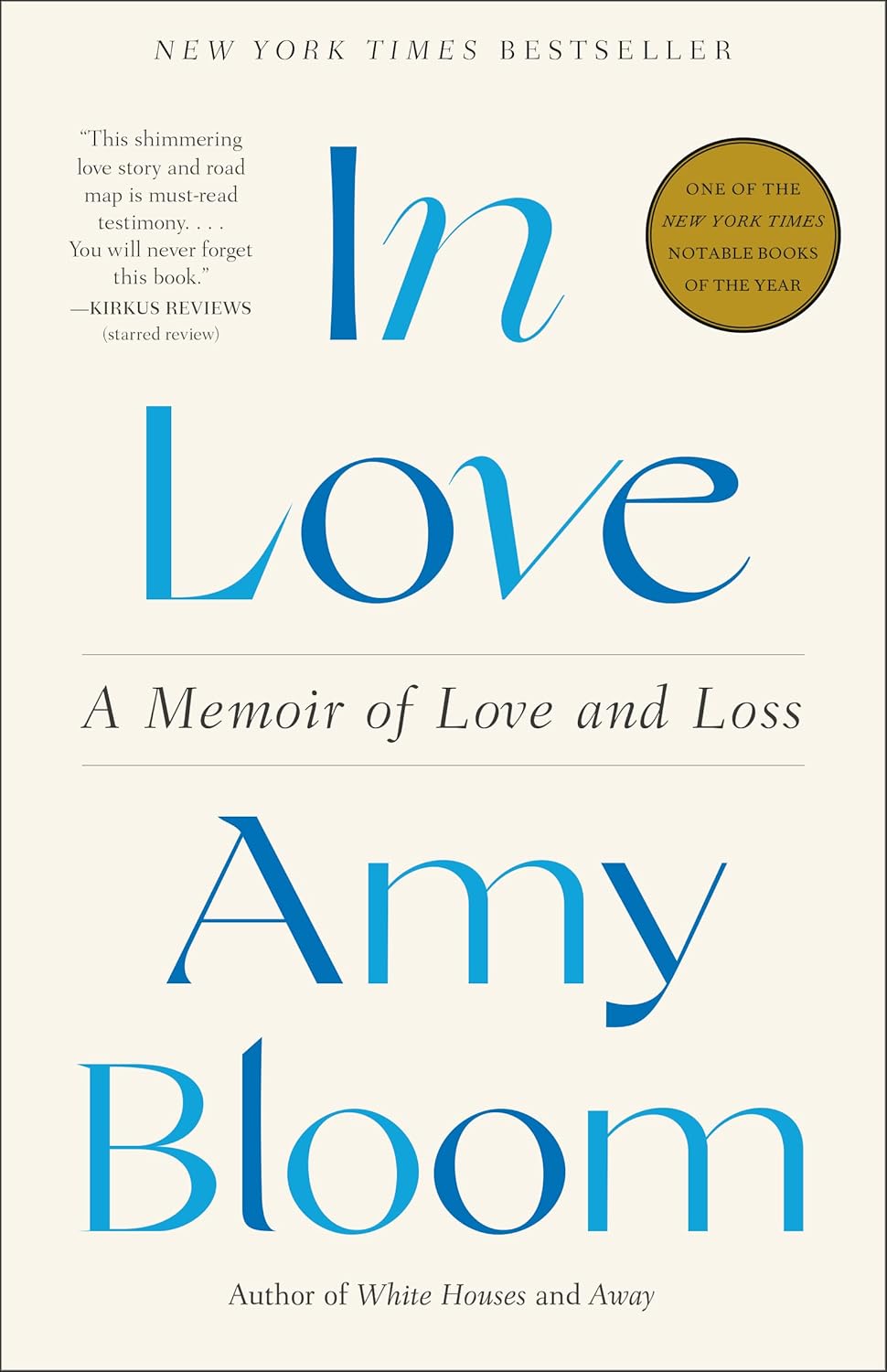
In Love
Amy Bloom


 Goodreads Choice Awards
 Apple Books


 39 Min Reading Time
 Audio Version Available
About this book
In this unforgettable memoir, Amy Bloom, the নিউ ইয়র্ক টাইমস bestselling author, invites readers into the most profound journey of her life: navigating her husband Brian's diagnosis of Alzheimer's and their courageous decision to seek a dignified, peaceful end through Dignitas in Switzerland. In Love is more than a story of loss; it's an exploration of a love that defied boundaries, a marriage that faced unimaginable choices, and a testament to the enduring power of partnership in the face of life's most difficult truths. With Bloom's signature wit and unflinching honesty, she sheds light on the unspoken realities of illness, death, and the struggle to move forward, leaving us with an inspiring portrait of love, resilience, and the courage to say goodbye.
Summary of Key Ideas
- •
The Harsh Reality of Alzheimer's
Facing Alzheimer's Head-On: The book unflinchingly confronts the realities of early-onset Alzheimer's disease. It explores the profound impact of the diagnosis on Brian, Amy, and their relationship. Bloom doesn't shy away from depicting the cognitive decline, emotional challenges, and the immense strain the illness places on loved ones. This honest portrayal serves to destigmatize the disease and foster greater understanding and empathy for those affected by it. She vividly describes the frustration, sadness, and fear that accompany witnessing a loved one's gradual loss of self, highlighting the importance of support and compassion during such a difficult journey. The narrative underscores how Alzheimer's fundamentally alters not only the individual but also the dynamics of their closest relationships, requiring adaptation, resilience, and unwavering love.
- •
Dignity in Dying
The Right to Choose: A central theme revolves around Brian's decision to pursue assisted suicide in Switzerland. The book delves into the complexities of end-of-life choices, exploring the moral, ethical, and personal considerations involved. Bloom presents Brian's decision with respect and understanding, emphasizing his desire to maintain control over his own life and avoid the advanced stages of Alzheimer's. The narrative invites readers to contemplate their own beliefs about autonomy, dignity, and the right to self-determination in the face of terminal illness. It raises important questions about the role of compassion, the limits of medical intervention, and the potential for peaceful and dignified departures.
- •
The Enduring Power of Love
Love in the Face of Loss: "In Love" is, at its core, a powerful testament to enduring love. Bloom's unwavering devotion to Brian is evident throughout the book, as she navigates the challenges of his illness and supports his decision with unwavering commitment. The narrative showcases the transformative power of love, demonstrating how it can provide strength, comfort, and meaning even in the darkest of times. It explores the different facets of love, including compassion, empathy, sacrifice, and the ability to find joy and connection amidst profound loss. The book celebrates the beauty and resilience of the human heart, reminding readers that love can transcend even the most difficult circumstances.
- •
The Complexities of Grief
Navigating Grief and Bereavement: The memoir sensitively portrays the grieving process, both before and after Brian's death. Bloom honestly expresses her pain, sadness, and confusion, offering a raw and vulnerable account of loss. The narrative explores the complexities of anticipatory grief, the emotional turmoil of witnessing a loved one's decline, and the profound emptiness that follows their passing. It also touches on the importance of finding healthy coping mechanisms, seeking support from others, and allowing oneself to heal at one's own pace. Bloom's reflections on grief offer solace and guidance to readers who have experienced similar losses, reminding them that they are not alone in their struggles.
- •
Anatomy of a Marriage
The Nuances of Marriage: Bloom reflects on her marriage to Brian, sharing intimate details about their relationship, their shared values, and the challenges they faced together. The book explores the evolving dynamics of marriage, particularly in the context of illness and loss. It highlights the importance of communication, trust, and mutual respect in sustaining a strong and loving partnership. The narrative also acknowledges the imperfections and complexities of marriage, recognizing that even the most loving relationships require work, compromise, and forgiveness. Bloom's insights into marriage offer valuable lessons about building and maintaining a fulfilling and lasting connection with another person.
- •
The Ethics of Assisted Death
Ethical Considerations of Assisted Suicide: The book raises important ethical questions surrounding assisted suicide and the role of organizations like Dignitas. It explores the legal and moral implications of facilitating end-of-life choices for individuals with terminal illnesses. Bloom doesn't offer easy answers but instead encourages readers to grapple with the complexities of the issue and consider the perspectives of all stakeholders. The narrative prompts reflection on the potential benefits and risks of assisted suicide, the importance of safeguards and regulations, and the need for open and honest dialogue about death and dying. By sharing her personal experience, Bloom contributes to a broader conversation about end-of-life care and the rights of individuals to make informed decisions about their own lives.
- •
Meaning Amidst Adversity
Finding Meaning in Suffering: While "In Love" deals with profound loss and suffering, it also explores the possibility of finding meaning and purpose amidst adversity. Bloom reflects on the lessons she learned from Brian's illness and death, emphasizing the importance of living fully, appreciating the present moment, and cherishing relationships. The narrative suggests that even in the face of unimaginable pain, it is possible to find moments of joy, connection, and gratitude. The book inspires readers to cultivate resilience, embrace vulnerability, and seek out sources of meaning and hope in their own lives. It reminds us that even in the face of death, life can be beautiful and precious.
Chapter Recap

About The Author
Amy Bloom
Main Quotes
"I don't want to end my life, he said, but I'd rather end it while I am still myself, rather than become less and less of a person."
"This trip to Zurich is a new, not quite normal version of something Brian and I love: traveling. Road trip, train ride, ferry ride, airplane anywhere."
"Here's my first choice. We go through this process and whenever it is that you think, okay, now, this is the moment, I take the pills."
"I knew what he wanted, what he needed, I knew him, inside and out, and I loved him."
"There is the love of your life, and then there is your life."
"He was a good man, and I loved him."
"We are not immortal, and some choices cannot be undone."
"I would do anything, anything, for him."
"He was my North, my South, my East and West."
"We had a good life."
Who Should Read This Book
Readers interested in memoirs, particularly those dealing with love, loss, and grief.
Individuals who have experienced or are interested in the topic of assisted suicide and end-of-life decisions.
Those affected by Alzheimer's disease, either personally or through loved ones.
Readers of literary fiction and contemporary memoirs.
Individuals interested in stories about complex relationships and family dynamics.
Fans of Amy Bloom's previous works and her writing style.
Book Summaries Like
In Love

FAQ

Free Access to LitNotes