




 DISCORD
Into the Wild
Jon Krakauer


 Amazon Best Sellers
 Barnes & Noble Bestsellers


 68 Min Reading Time
 Audio Version Available
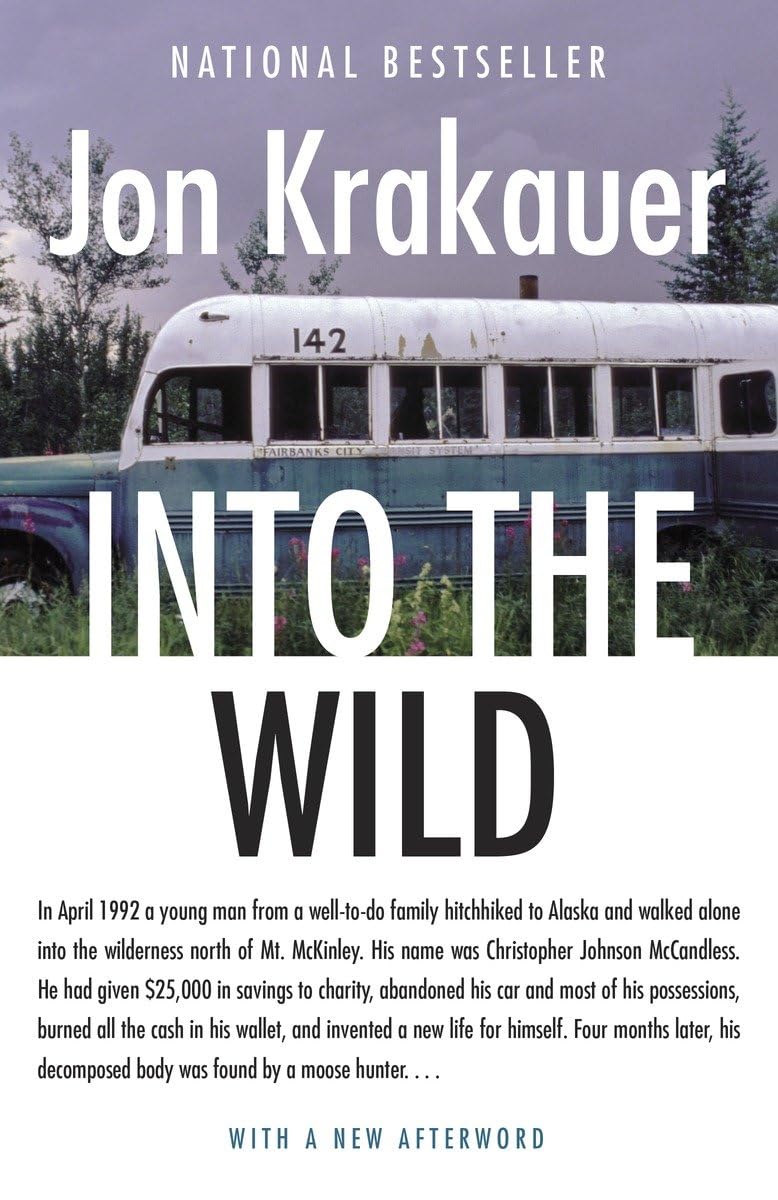
About this book
In April 1992, Chris McCandless, a young man from a privileged background, ventured alone into the Alaskan wilderness north of Mt. McKinley. Four months later, his body was discovered by a moose hunter, sparking a mystery that would captivate the world.
Into the Wild unravels the enigmatic journey of McCandless, who, after graduating college, shed his former life. He donated his savings, abandoned his car, burned his cash, and adopted the moniker "Alexander Supertramp." Inspired by the likes of Jack London and John Muir, he sought freedom in the raw, unfiltered experiences of nature, craving a blank spot on the map, unburdened by possessions and societal expectations.
Jon Krakauer delves into the disquieting facts surrounding McCandless's life, piecing together the puzzle of his motivations. Was he a naive idealist, or a driven seeker? A young man with a death wish, or one compelled to test the very limits of his existence?
Krakauer illuminates McCandless's uncompromising pilgrimage, exploring the peril, adversity, and spiritual renunciation that drove him. Into the Wild is a mesmerizing and heartbreaking exploration of a life lived on the edge, and the profound allure of the American wilderness.
Summary of Key Ideas
- •
The Call of the Wild
The Allure of the Wild: The book explores the powerful draw that nature and the wilderness hold for individuals seeking escape and self-discovery. Chris McCandless's journey into the Alaskan wilderness is driven by a deep-seated desire to disconnect from conventional society and experience life in its rawest form. This key idea emphasizes the romanticism associated with the wild and the human yearning for a simpler, more authentic existence, free from the constraints of modern life.
- •
Escaping the Rat Race
Rejection of Materialism and Societal Norms: A central theme revolves around McCandless's rejection of materialism and the perceived superficiality of American society. He abandons his privileged background, donating his savings to charity and severing ties with his family to pursue a life of simplicity and self-reliance. This key idea highlights the tension between individual values and societal expectations, questioning the pursuit of wealth and status as measures of success and happiness.
- •
The Weight of Family
The Complex Relationship Between Family and Identity: "Into the Wild" delves into the complexities of family relationships and their impact on individual identity. McCandless's strained relationship with his parents, particularly his father, fuels his desire for independence and escape. The book explores how unresolved family conflicts can shape one's sense of self and influence life choices, even leading to drastic measures like severing familial ties in search of personal freedom.
- •
The Illusion of Control
Idealism vs. Reality: McCandless's journey is marked by a clash between his idealistic vision of wilderness living and the harsh realities of nature. His romanticized notions, fueled by literature and a desire for self-sufficiency, are tested by the challenges of survival in the Alaskan bush. This key idea underscores the importance of pragmatism and preparation when confronting the unforgiving forces of nature, cautioning against the dangers of naiveté and romanticism.
- •
A Quest for Purpose
The Search for Self and Meaning: At its core, "Into the Wild" is a story about the search for self and meaning in life. McCandless's journey is driven by a quest for self-discovery, a desire to understand his place in the world, and a yearning for spiritual fulfillment. His extreme actions raise questions about the nature of happiness, the importance of human connection, and the different paths individuals take to find purpose and meaning in their lives.
- •
The Perils of Arrogance
The Dangers of Isolation and Hubris: McCandless's ultimate demise serves as a cautionary tale about the dangers of isolation and hubris. While his desire for self-reliance and independence is admirable, his lack of preparation and underestimation of the wilderness prove fatal. This key idea emphasizes the importance of humility, respect for nature, and the need for human connection and support in navigating life's challenges. It highlights the fine line between courage and recklessness.
- •
The Eye of the Beholder
The Spectrum of Interpretation and Judgment: Krakauer's narrative invites readers to grapple with their own judgments and interpretations of McCandless's actions. Some view him as a reckless and selfish individual, while others see him as a courageous and idealistic seeker. The book prompts reflection on the complexities of human motivation, the validity of different life choices, and the challenges of judging others based on limited information. This idea suggests the importance of empathy and understanding when evaluating human behavior.
- •
The Ties That Bind
The Inevitable Interconnectedness of Humanity: While McCandless sought isolation, his journey ironically highlights the inescapable interconnectedness of humanity. The people he encounters along the way, from farmers to drifters, leave lasting impressions on him, and his story resonates deeply with readers who grapple with similar desires for freedom and meaning. This key idea underscores the importance of human relationships and the profound impact we have on each other, even in moments of fleeting connection.
Chapter Recap

About The Author
Jon Krakauer
Jon Krakauer (April 12,1954) is an American writer, journalist, and mountaineer, well-known for outdoor and mountain-climbing writing. In 2003, he ventured into the field of investigative journalism. **Source**: [Jon Krakauer](https://en.wikipedia.org/wiki/Jon_Krakauer) on Wikipedia.
Main Quotes
"“I don’t want to know what day it is or where I am. None of that matters.”"
"“You are wrong if you think Joy emanates only or principally from human relationships. God has placed it all around us. It is in everything and anything we might experience. We just have to have the courage to turn against our habitual lifestyle and engage in unconventional living.”"
"“So many people live within unhappy circumstances and yet will not take the initiative to change their situation because they are conditioned to a life of security, conformity, and conservatism, all of which may appear to give one peace of mind, but in reality nothing is more damaging to the adventurous spirit within a man than a secure future. The very basic core of a man’s living spirit is his passion for adventure. The joy of life comes from our encounters with new experiences, and hence there is no greater joy than to have an endlessly changing horizon, for each day to have a new and different sun.”"
"“It is the unknown, that draws us on, the mysterious.”"
"“I now walk into the wild.”"
"“The sea's only gifts are harsh blows, and occasionally the chance to feel strong. Now, I don't know much about the sea, but I do know that that's the way it is here. And I also know how important it is in life not necessarily to be strong but to feel strong. To measure yourself at least once. To find yourself at least once in the most ancient of human conditions. Facing the blind death stone alone, with nothing to help you but your hands and your own head.”"
"“Happiness [is] only real when shared”"
"“The core of mans' spirit comes from new experiences.”"
"“I think careers are a 20th century invention and I don't want one.”"
"“You can't fix it for them. You can listen, but you can't fix it.”"
Who Should Read This Book
Readers interested in adventure and survival stories
Young adults questioning societal norms and seeking alternative lifestyles
Individuals fascinated by the Alaskan wilderness and nature writing
Those interested in stories of self-discovery and personal journeys
Readers who enjoy biographical and non-fiction narratives
People who appreciate stories that explore themes of idealism, alienation, and the search for meaning
Readers of outdoor literature and adventure journalism
Individuals interested in the psychology behind risk-taking behavior
Those who enjoy books that spark debate and introspection
Readers of Jon Krakauer's other works
Book Summaries Like
Into the Wild


FAQ

Free Access to LitNotes